

Earth Day
What Is Biodiversity—and Why Does It Matter?
By WS/C
Sign up for our monthly newsletter!
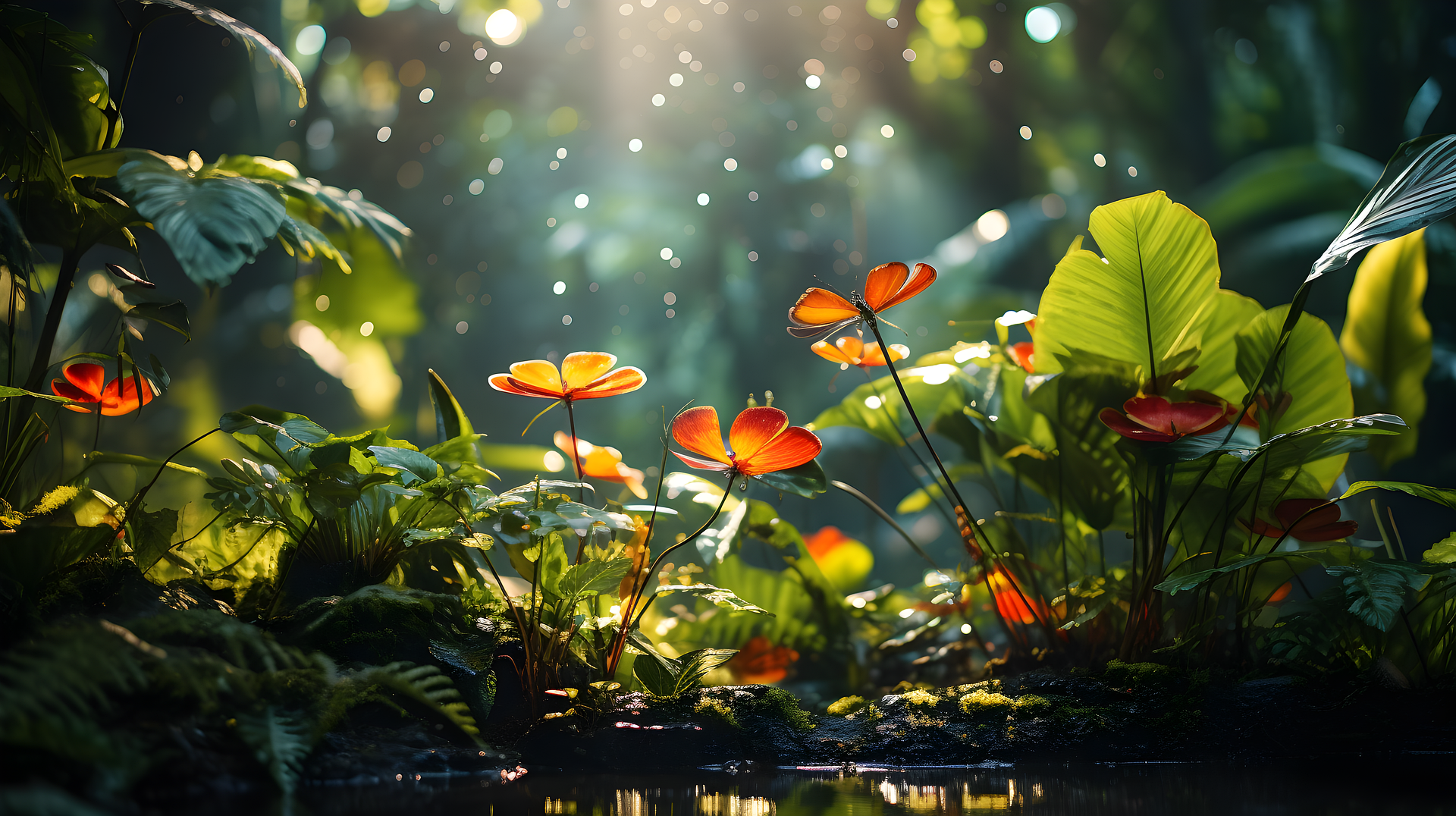
In 2020, during the pandemic’s suspended, uncertain months, we read a definition of biodiversity that has stayed with us ever since. Andrew Deutz, then leading global biodiversity policy work at The Nature Conservancy, described it precisely: biodiversity is nature’s infrastructure for life. It is what provides the air we breathe, the water we drink, and the food we eat. Without the array of species and ecosystems that deliver these services, he said, we would not exist as a species—and the world would not be what we love about it.
That word infrastructure reorients the conversation. Biodiversity is not an ornamental extra, not a luxury concern reserved for parks and protected areas. It is the living foundation beneath our economies, cultures, and bodies. It operates quietly, constantly, like an invisible architecture.
When we speak of biodiversity, we are speaking of life’s intricacy at every scale: the genetic variation within species that allows them to adapt and evolve; the extraordinary diversity of plants, animals, fungi, and microorganisms; and the ecosystems—forests, wetlands, coral reefs, grasslands, peatlands—that weave them together into functioning wholes. These are not static collections but dynamic relationships, sustained through reciprocity and time.
Forests draw down carbon and release oxygen. Wetlands sift impurities from water and soften the force of storms. Pollinators move from flower to flower, ensuring fruit and seed. Microbial communities enliven the soil, making nutrients available to roots. Oceans teem with plankton that help regulate the atmosphere itself. All of this is biodiversity at work, an immense, interdependent system that makes Earth habitable.
Yet biodiversity is more than biophysical process. It is also memory and meaning. The scent of flowering linden trees in summer, the taste of wild herbs, the sound of bees in a meadow—these are sensory threads that bind us to place. Cultural identity is braided through landscapes and species. When ecosystems unravel, something in our collective memory thins as well. The loss is ecological, but it is also emotional and cultural.
Today, the planet faces converging crises: accelerating biodiversity loss intertwined with climate change. Habitat destruction, industrial agriculture, pollution, overexploitation, rising global temperatures, war and energy demand of AI, are reshaping the living world at a pace unprecedented in human history. The erosion of biodiversity weakens natural systems that once buffered climate extremes; in turn, climate change further destabilizes those same systems. It is a feedback loop of diminishment.
To respond adequately requires more than isolated conservation projects. It calls for a fundamental shift in how we organize our economies and our lives. Moving toward carbon neutrality and becoming genuinely nature-positive means reducing harm while actively restoring degraded ecosystems. It means reimagining agriculture so that soils are regenerated rather than depleted, landscapes diversified rather than simplified. It means recognizing that human prosperity and ecological vitality are not opposing goals but mutually dependent realities.
If biodiversity is nature’s infrastructure, then it demands the same seriousness we give to roads, bridges, and power grids—indeed, more, because without this living infrastructure none of the others can function. It is the architecture of breath, nourishment, and resilience. To safeguard biodiversity is not simply to preserve beauty or rarity. It is to protect the conditions that allow life, human and more-than-human, to continue unfolding.
Biodiversity matters because it is the quiet system that sustains us, even when we forget it is there. And remembering this may be one of the most important acts of our time.
As Earth Day arrives April 22, it offers a date on the calendar for a recalibration of our attention and responsibility. Established in 1970 as a call to environmental awareness and action, Earth Day reminds us that biodiversity is our neighborhoods, gardens, waterways, and food systems. This year take it as opportunity to honor the living infrastructure that sustains us by restoring habitats, planting native species, reducing waste, supporting regenerative agriculture, and advocating for policies that protect land and water. Earth Day is, at its best, not a single day of acknowledgment but a renewal of commitment and a reminder that safeguarding biodiversity is an ongoing practice of care for the only home we share.
Source
Inside Nature Newsletter, Wild World, The Nature Conservancy, Summer 2020.
Plantings
Issue 58 – April 2026
Also in this issue:
John Burroughs: “The Incense of April”
By Clara Muller

The Science of a Sense of Place
By Gayil Nalls
Reflections on the Hundred Acre Wood
By John Steele
Antibacterial Herbs: Ancient Remedies, Modern Science
By Gayil Nalls
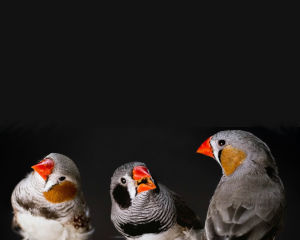
You probably agree with the animals on which bird calls, frog noises and cricket chirps are most attractive – new research
By Logan S. James

Eat More Plants Recipes:
Vegan Confetti Coleslaw
By Gayil Nalls
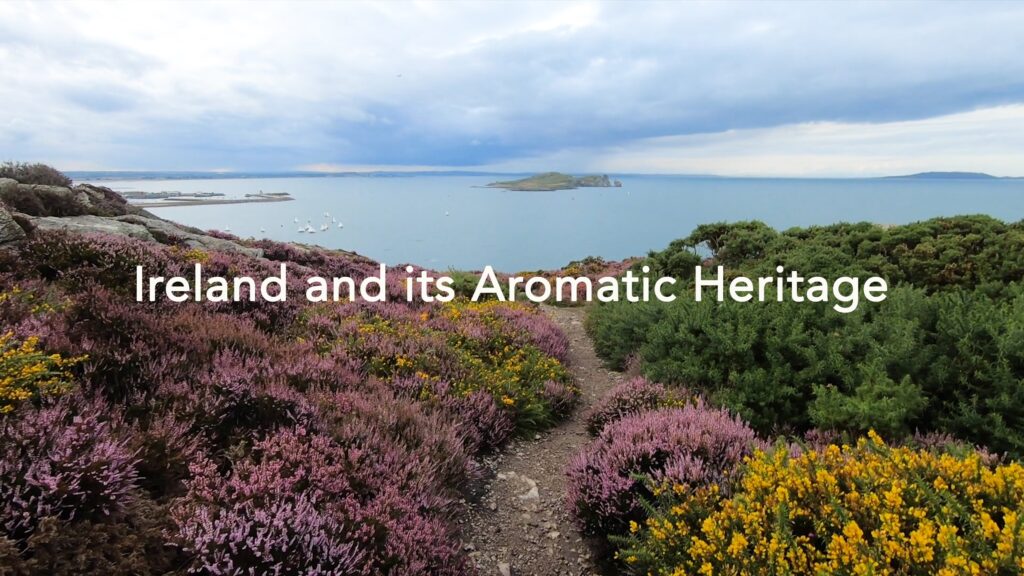
As Ireland transitions from the rich, smoky scent of peat-burning to a more sustainable future, its olfactory heritage is evolving. What will become the next iconic aromatic symbol of Ireland?
Click to watch the documentary trailer.
As Ireland transitions from the rich, smoky scent of peat-burning to a more sustainable future, its olfactory heritage is evolving. What will become the next iconic aromatic symbol of Ireland?