
Antibacterial Herbs: Ancient Remedies, Modern Science
By Gayil Nalls
Sign up for our monthly newsletter!
In 2025, researchers from MacMaster University in Canada and the University of Illinois in Chicago, reported the discovery of lariocidin, a structurally unique “lasso-shaped” antibiotic isolated from soil-dwelling bacteria. In laboratory studies, lariocidin demonstrated potent activity against multidrug-resistant pathogens, including methicillin-resistant Staphylococcus aureus (MRSA), while showing remarkably low toxicity toward human cells. Mechanistically, early findings suggest that it acts by targeting bacterial protein synthesis in a manner distinct from existing antibiotics, raising hopes that cross-resistance with current drug classes will be limited. The discovery is significant at a time when antimicrobial resistance (AMR) is recognized by the World Health Organization as one of the top global public health threats, contributing to an estimated 1.27 million deaths annually worldwide (Murray et al., The Lancet, 2022). Soil ecosystems have historically yielded many and this new discovery reinforces the importance of preserving microbial and plant biodiversity as a source of urgently needed next-generation therapeutics.
As antibiotic resistance continues to accelerate into one of the most urgent global public-health challenges of the 21st century, researchers are increasingly looking to the natural world for complementary and alternative antimicrobial strategies. The overuse and misuse of conventional antibiotics has driven the rapid evolution of resistant bacterial strains, prompting renewed scientific interest in plant-derived compounds that humans have relied on for millennia.
Medicinal plants do not operate as single-molecule interventions in the way many pharmaceuticals do; instead, they contain complex mixtures of bioactive compounds that can work synergistically to inhibit pathogens, modulate immune responses, and reduce inflammation. A growing body of laboratory, clinical, and ethnopharmacological research now supports the antimicrobial potential of many traditional herbs and spices, validating aspects of long-standing botanical knowledge.
Below are four well-studied antibacterial herbs whose traditional uses are increasingly supported by modern pharmacological and microbiological research. Many of these plants produce volatile oils, phenolic compounds, alkaloids, or sulfur-containing constituents that inhibit bacterial growth through membrane disruption, enzyme inhibition, quorum sensing interference, or biofilm suppression. Several have demonstrated activity not only against common pathogens such as Escherichia coli and Staphylococcus aureus, but in some cases against drug-resistant strains including MRSA.
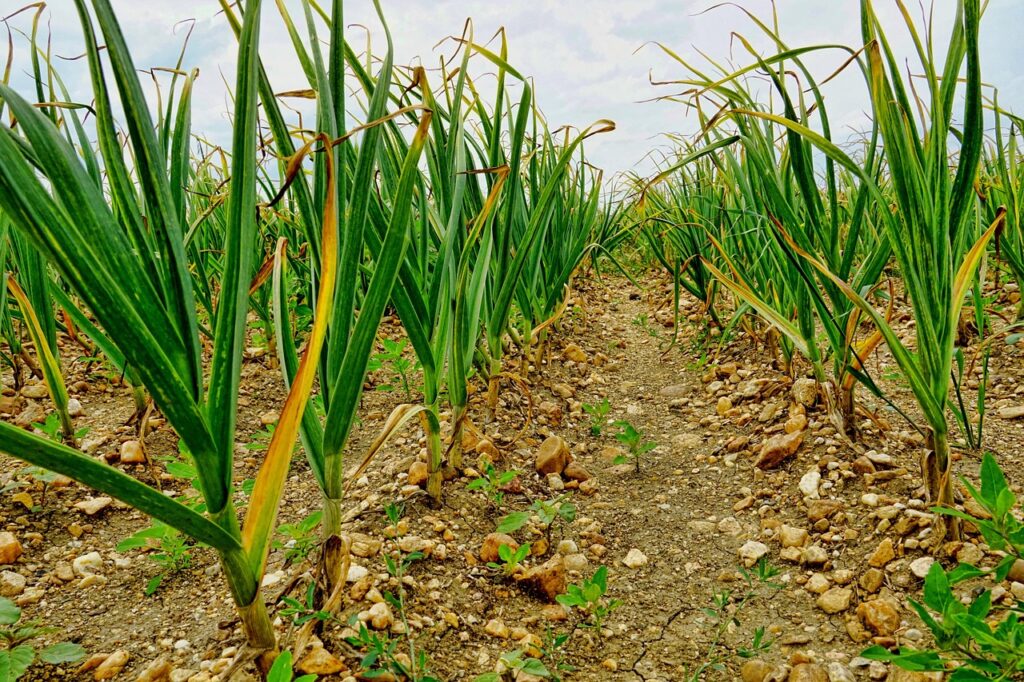
Garlic (Allium sativum)
Garlic is one of the most extensively studied medicinal plants for antimicrobial activity. Its therapeutic effects are largely attributed to allicin, a sulfur-containing compound formed when garlic cloves are crushed or chopped. Allicin has demonstrated broad-spectrum antibacterial, antiviral, and antifungal activity in both in vitro and in vivo studies.
Research shows that allicin disrupts microbial enzyme systems by reacting with thiol groups, thereby inhibiting essential metabolic pathways in bacteria. Notably, garlic extracts have been shown to inhibit common pathogens such as Escherichia coli, Staphylococcus aureus, and Salmonella species, sometimes at remarkably low concentrations (Borchardt et al., 1971; Ankri & Mirelman, 1999). Emerging studies also suggest activity against antibiotic-resistant strains, positioning garlic as a promising adjunct in antimicrobial therapy.
In addition to its direct antimicrobial effects, garlic supports immune function by enhancing macrophage activity and modulating cytokine production, further strengthening host defense mechanisms.
Key bioactive compound: Allicin
Primary actions: Antibacterial, antiviral, antifungal, immune modulation
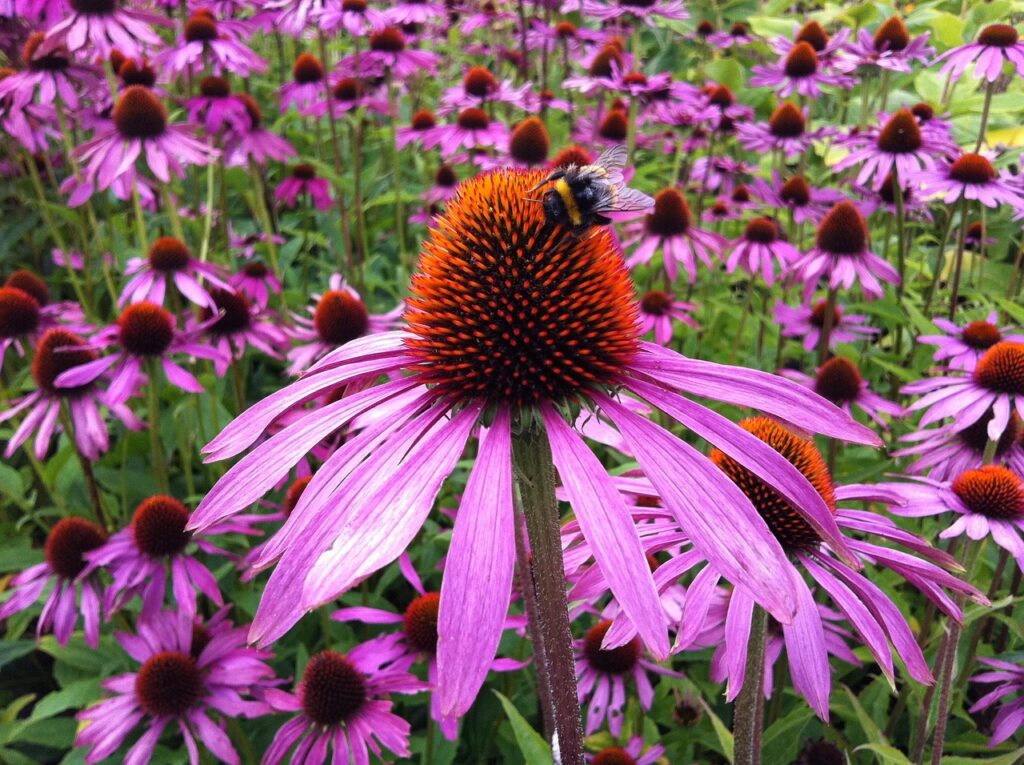
Echinacea (Echinacea purpurea)
Often recognized for its immune-boosting reputation, echinacea has also been scientifically validated for its antimicrobial and immunomodulatory properties. Extracts of Echinacea purpurea have been shown to stimulate the activity of white blood cells, including macrophages, lymphocytes, and natural killer cells, enhancing the body’s capacity to respond to infections.
Its therapeutic efficacy is attributed to a combination of alkylamides, polysaccharides, and phenolic compounds such as cichoric acid, which together modulate immune signaling pathways and exhibit mild direct antimicrobial activity (Barrett, 2003; Barnes et al., 2005).
Laboratory studies demonstrate that echinacea extracts can inhibit the growth of certain bacteria and respiratory viruses, while clinical trials suggest modest benefits in reducing the duration and severity of upper respiratory infections (Woelkart & Bauer, 2007). For best efficacy, preparations should contain measurable levels of all three major active compound groups.
Key bioactive compounds: Alkylamides, polysaccharides, cichoric acid
Primary actions: Immune stimulation, antimicrobial support, anti-inflammatory activity
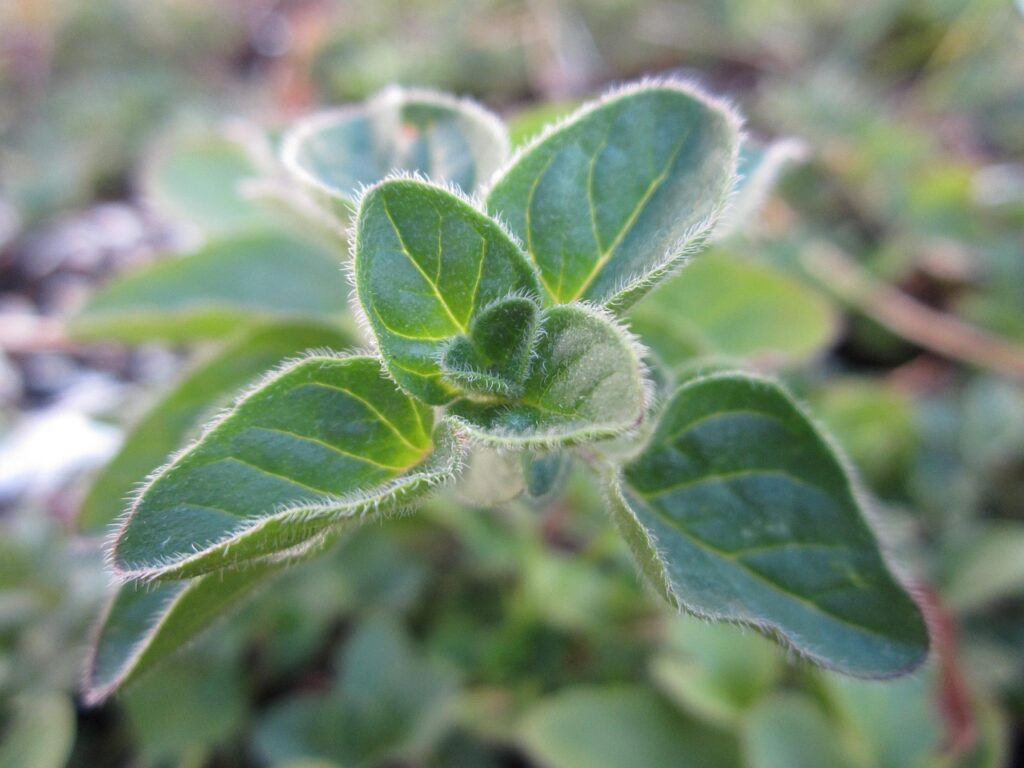
Oregano (Origanum vulgare)
Oregano is rich in phenolic compounds, most notably carvacrol, which has demonstrated strong antibacterial activity in numerous studies. Carvacrol disrupts bacterial cell membranes, increasing permeability and leading to cell death—a mechanism that differs from many conventional antibiotics (Ultee et al., 1999).
Oregano oil has shown efficacy against a range of pathogens, including Staphylococcus aureus and methicillin-resistant S. aureus (MRSA), as well as certain fungal and parasitic organisms (Burt, 2004). Oils standardized to high carvacrol content (often ≥ 70–80 percent) appear to be the most effective in experimental settings.
In addition to internal use, diluted oregano oil is sometimes applied topically for minor skin infections due to its antimicrobial and antioxidant properties. Its potent activity, however, requires careful dosing and dilution to avoid irritation.
Key bioactive compound: Carvacrol
Primary actions: Antibacterial, antioxidant, antifungal
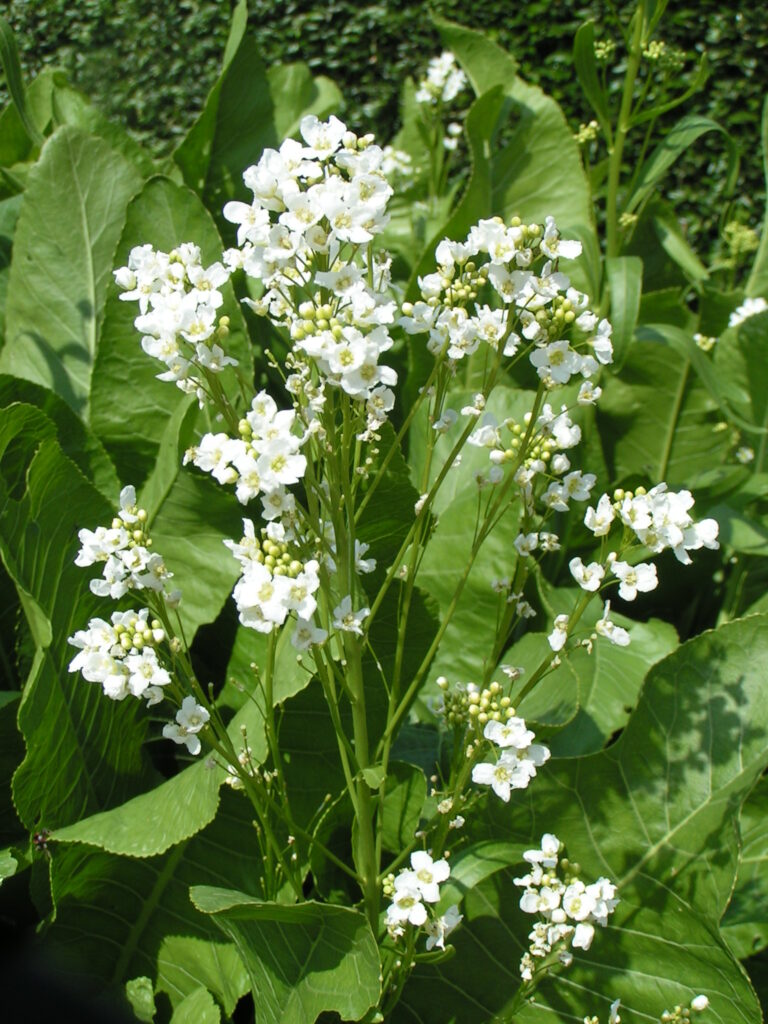
Horseradish (Armoracia rusticana)
Horseradish has a long history of use in European folk medicine, particularly for respiratory and urinary tract infections. Its antimicrobial properties stem from isothiocyanates (ITCs), volatile sulfur compounds released when horseradish root cells are damaged.
ITCs exhibit strong antibacterial activity by inhibiting microbial enzymes and interfering with bacterial cell metabolism. Studies have demonstrated their effectiveness against respiratory pathogens, including bacteria involved in sinus and bronchial infections (Dufour et al., 2015). These compounds are also responsible for horseradish’s pungent aroma, which itself serves as a natural antimicrobial vapor.
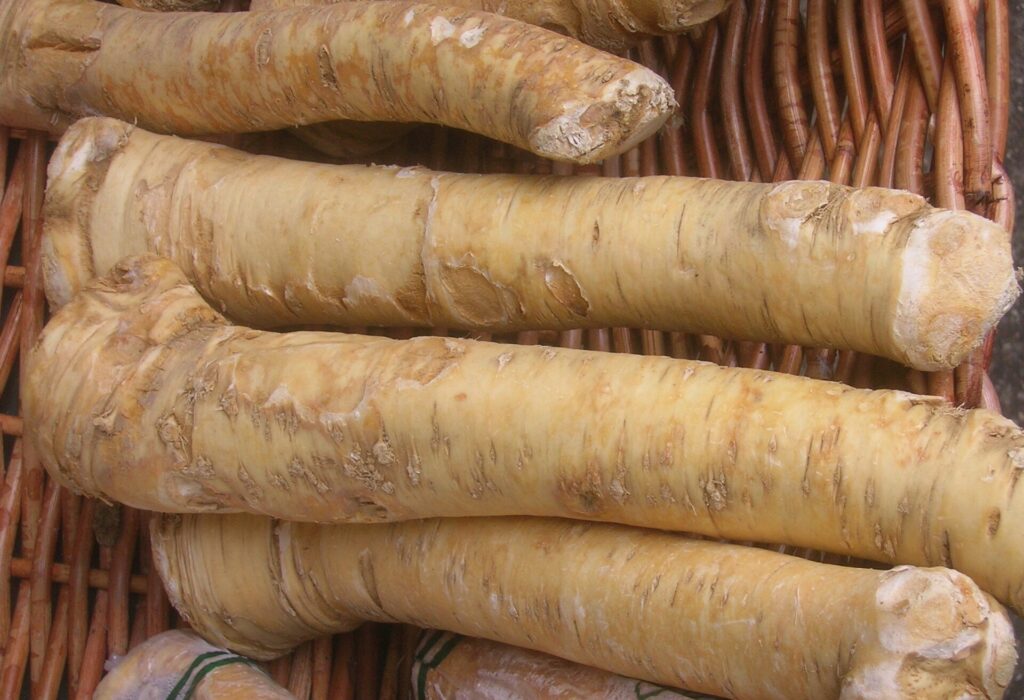
Beyond direct antibacterial action, horseradish may support respiratory health by increasing mucus flow and improving airway clearance, helping the body expel pathogens more effectively.
Key bioactive compounds: Isothiocyanates
Primary actions: Antibacterial, respiratory support, expectorant properties
While herbal medicines should not be viewed as direct replacements for antibiotics in severe or life-threatening infections, scientific research increasingly supports their role as complementary tools, particularly in prevention, early-stage infections, and immune support. The complexity of plant chemistry may also reduce the likelihood of resistance development, as pathogens must contend with multiple active compounds simultaneously.
As modern medicine confronts the limits of single-compound pharmaceutical approaches, these botanicals remind us that plants are not relics of pre-scientific medicine, but sophisticated chemical systems evolved over millions of years of microbial interaction. Their continued study offers not only potential therapeutic value, but a deeper understanding of how humans can work in concert with the living world to safeguard health. Plants have always been our partners. Now they are our hope in an age of resistance.
Gayil Nalls, PhD is an interdisciplinary artist and theorist, and the founder of the World Sensorium / Conservancy.
Selected References
Ankri, S., & Mirelman, D. (1999). Antimicrobial properties of allicin from garlic. Microbes and Infection, 1(2), 125–129.
Barnes, J., Anderson, L. A., & Gibbons, S. (2005). Echinacea species (Echinacea angustifolia, E. pallida, E. purpurea): A review of their chemistry, pharmacology, and clinical properties. Journal of Pharmacy and Pharmacology, 57(8), 929–954.
Barrett, B. (2003). Medicinal properties of Echinacea: A critical review. Phytomedicine, 10(1), 66–86.
Borchardt, S. A., Allain, C. C., Michels, J. J., Stearns, G. W., Kelly, R. F., & McCoy, W. F. (1971). Reaction of allicin with thiol groups. Biochimica et Biophysica Acta, 220(3), 507–514.
Burt, S. (2004). Essential oils: Their antibacterial properties and potential applications in foods. International Journal of Food Microbiology, 94(3), 223–253.
Dufour, V., Alazzam, B., Ermel, G., & Thévenot-Sergentet, D. (2015). Antibacterial properties of isothiocyanates. Microbiology, 161(2), 229–243.
Ultee, A., Kets, E. P., & Smid, E. J. (1999). Mechanisms of action of carvacrol on the food-borne pathogen Bacillus cereus. Applied and Environmental Microbiology, 65(10), 4606–4610.
Woelkart, K., & Bauer, R. (2007). The role of alkamides as an active principle of echinacea. Planta Medica, 73(6), 615–623.
Plantings
Issue 58 – April 2026
Also in this issue:
Earth Day: What Is Biodiversity—and Why Does It Matter?
By WS/C
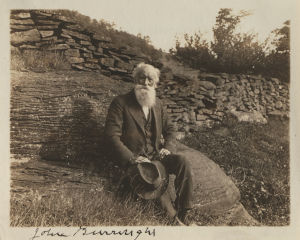
John Burroughs: “The Incense of April”
By Clara Muller
The Science of a Sense of Place
By Gayil Nalls
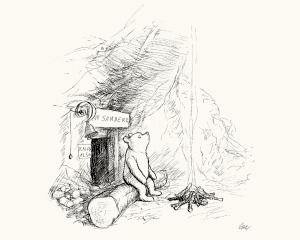
Reflections on the Hundred Acre Wood
By John Steele
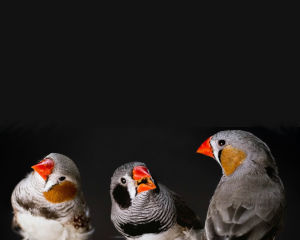
You probably agree with the animals on which bird calls, frog noises and cricket chirps are most attractive – new research
By Logan S. James
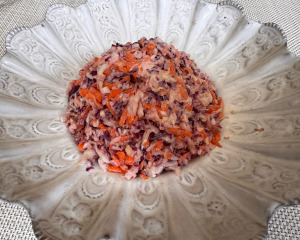
Eat More Plants Recipes:
Vegan Confetti Coleslaw
By Gayil Nalls
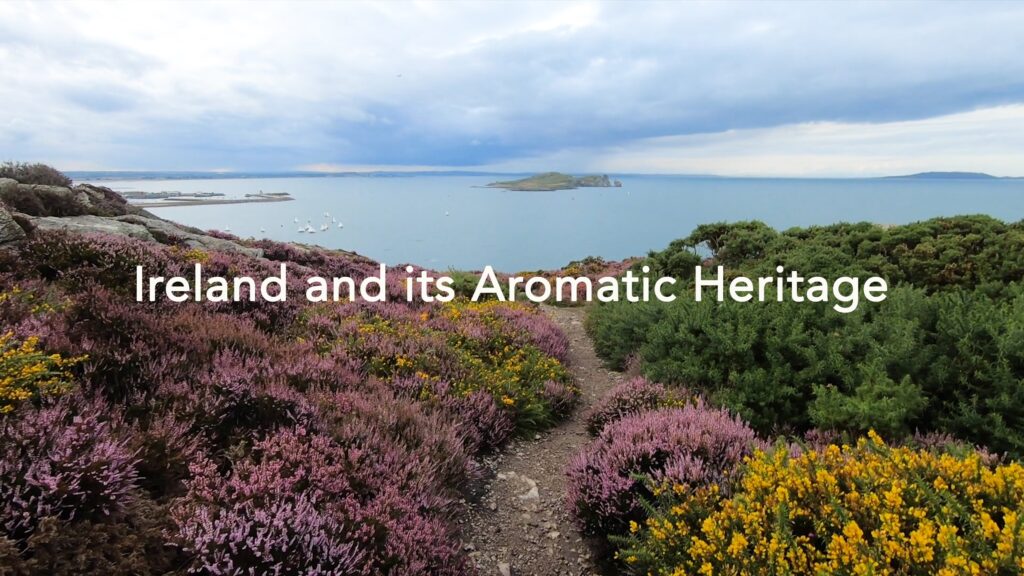
As Ireland transitions from the rich, smoky scent of peat-burning to a more sustainable future, its olfactory heritage is evolving. What will become the next iconic aromatic symbol of Ireland?
Click to watch the documentary trailer.
As Ireland transitions from the rich, smoky scent of peat-burning to a more sustainable future, its olfactory heritage is evolving. What will become the next iconic aromatic symbol of Ireland?