

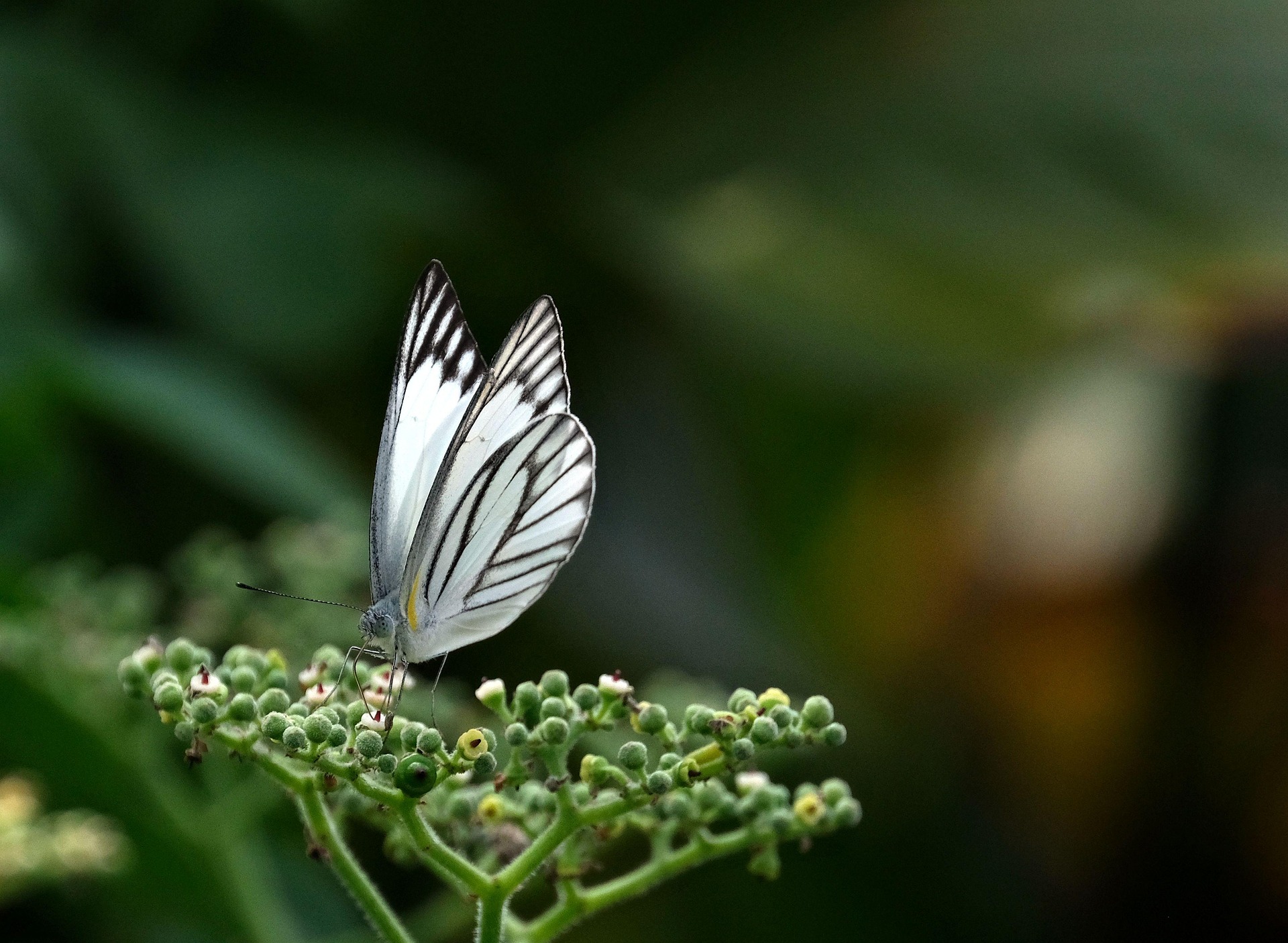
Attract Pollinators to Your Garden and Other Tips
Creating a living refuge for bees, butterflies, and ourselves
By WS/C
Sign up for our monthly newsletter!
When you plan a garden, you are shaping a life-support system. Pollinators such as bees, butterflies, moths, beetles, birds, and bats are essential partners in food production, seed set, and healthy ecosystems. When they thrive, so do we. A pollinator-friendly garden is an ethic of care, one that recognizes that small, intentional choices in our own landscapes ripple outward into the larger web of life.
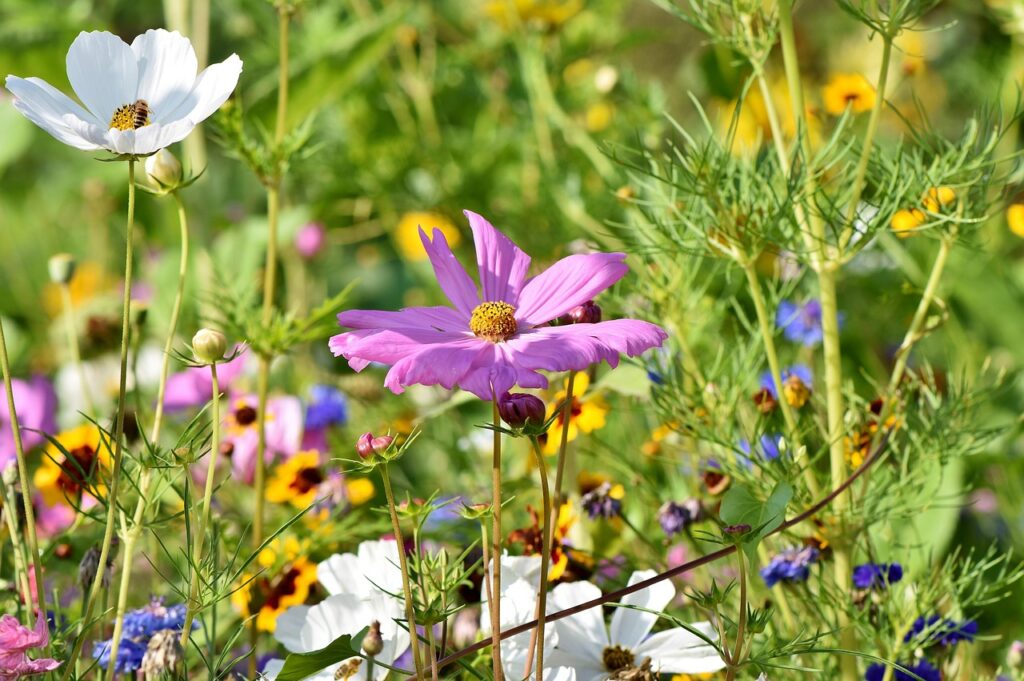
Let the garden be a little wild
Perfection is overrated—especially in nature. Resist the urge toward relentless tidiness. Skip the classic fall and early-spring “cleanups” and allow perennial stems to stand through winter. Leave seed heads, leaf litter, and even a modest brush pile tucked into a corner. These materials provide critical shelter and nesting sites for native bees, most of which are solitary and nest either in the soil or inside hollow plant stems. A living garden includes places to hide, overwinter, and raise the next generation.
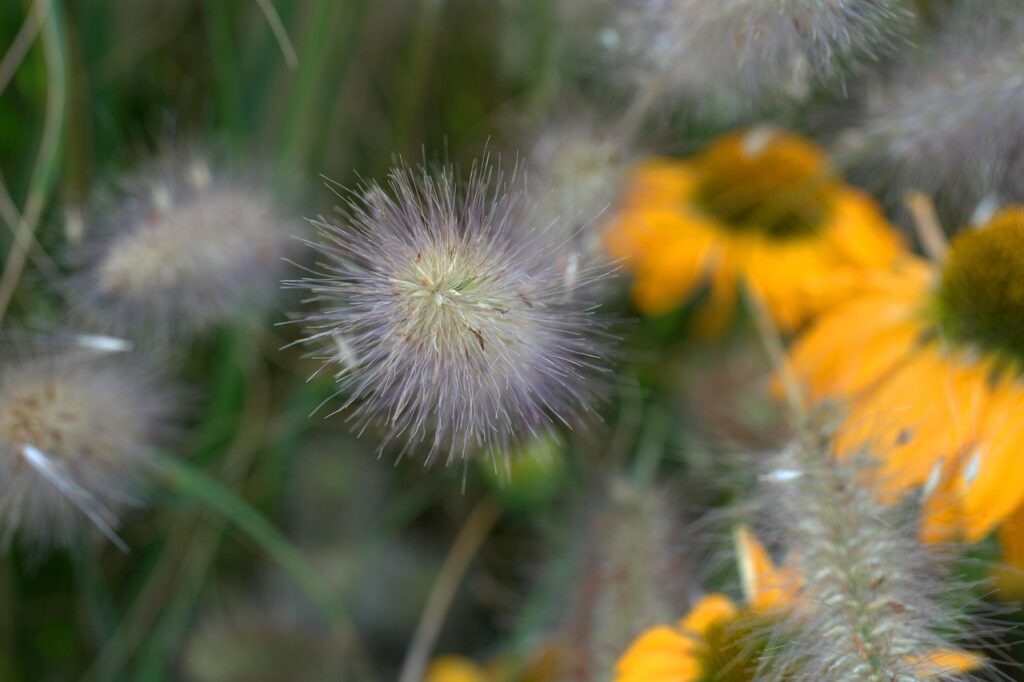
Plant for the whole season
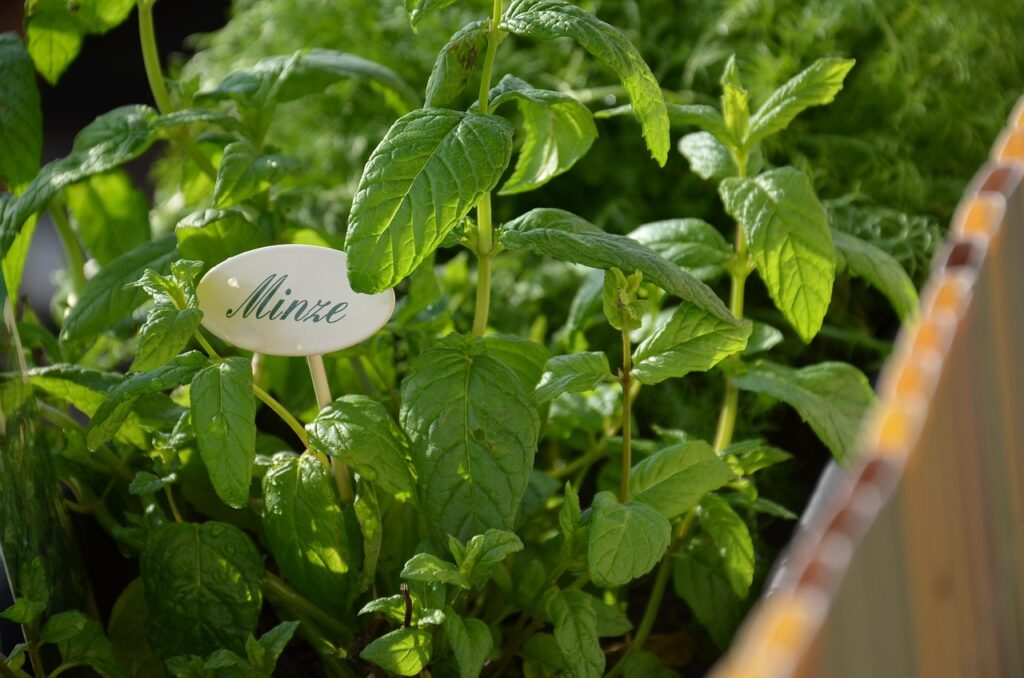
Pollinators need food not just at peak bloom but continuously, from the earliest spring thaw through autumn’s last flowers. Native and regionally adapted plants are especially valuable because they have co-evolved with local insects and offer the right shapes, nutrients, and timing. Perennials such as echinacea, goldenrod, blazing star, ironweed, phlox, butterfly weed, rudbeckia, wild bergamot, lavender, oregano, mountain mint, and New York aster provide dependable nectar and pollen over many months.
Milkweed—both swamp and common—is essential for monarch butterflies, serving as the sole host plant for their caterpillars. At the same time, avoid planting butterfly bush. Though often marketed as beneficial, it is invasive in many regions and displaces the native host plants caterpillars depend on to survive. Supporting pollinators means thinking not only about adult beauty, but about larvae, lifecycles, and habitat continuity.
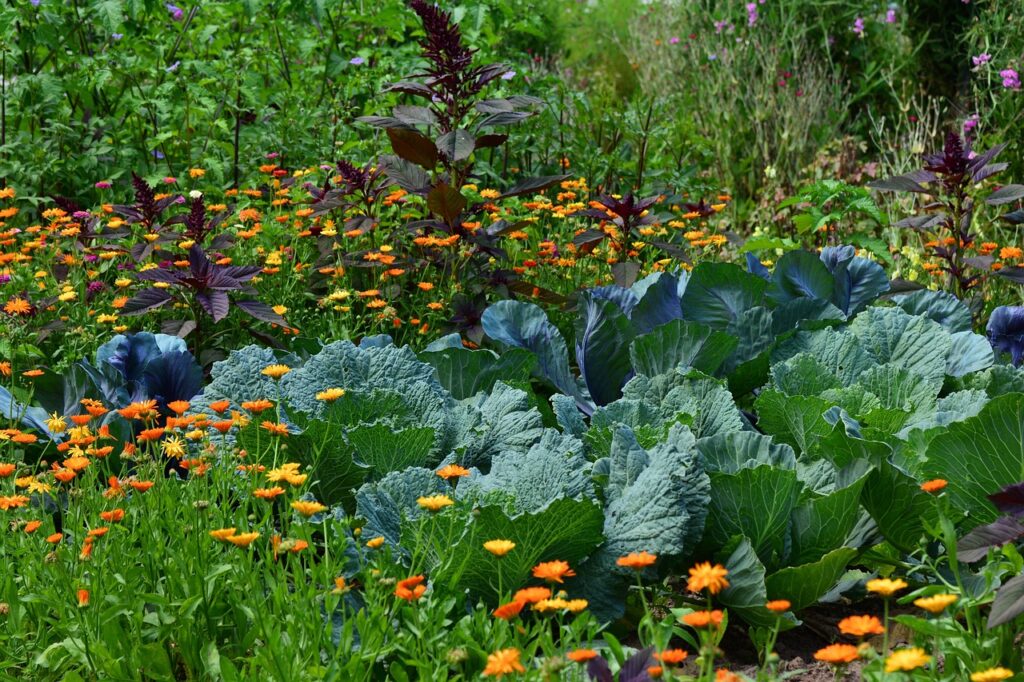
Grow without chemicals
Pesticides and herbicides can undermine even the most well-intentioned pollinator garden. Be aware that many plants sold in garden centers, including those from local nurseries, are treated with chemicals before they reach the shelf. Whenever possible, seek out native plants grown with non-toxic methods, ask growers direct questions, and support suppliers who prioritize ecological integrity. A truly pollinator-safe garden begins long before planting day.
Build a community, plant by plant
Gardens are contagious in the best way. Tell friends and neighbors what you’re doing and why. Each year, add a little more flowering space—an expanded border, a meadow patch, or even a single container on a balcony. Pollinator corridors are made not only of preserves and parks, but of ordinary gardens stitched together through collective care.
Plantings
Issue 57 – March 2026
Also in this issue:

When Flowers Speak
By Gayil Nalls

Jane Colden: Naming the Living World
By John Steele
Why is Old Bay Maryland’s Culinary Anchor?
By Ian Sleat

Ecological Grief: The Work of Mourning Landscapes and Lost Species
By Margherita Gandolfi

Asking Trees to Solve a Roman Conspiracy
By Molly Glick

Eat More Plants Recipes:
Hearty Green Pasta Sauce
By Ian Sleat
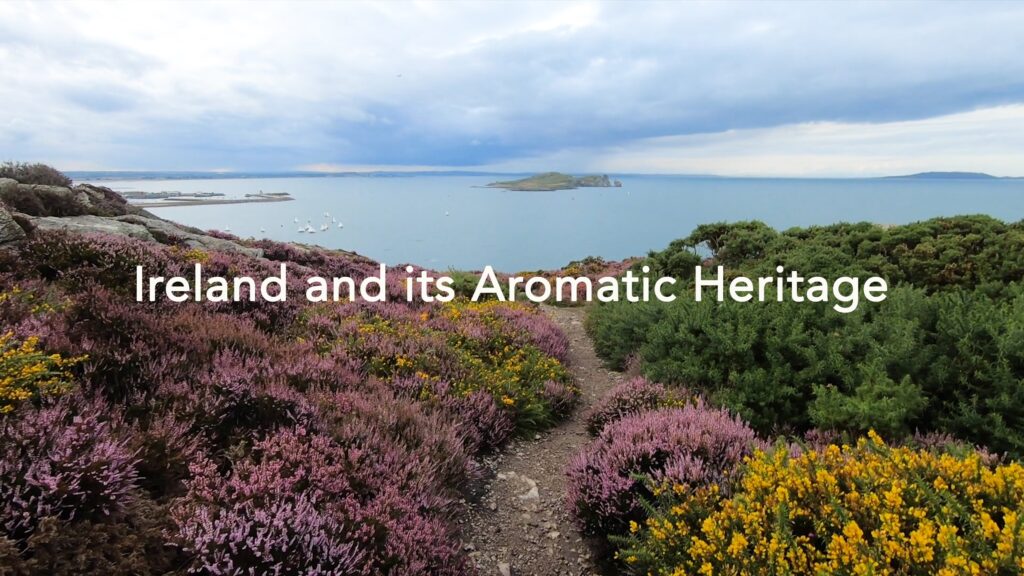
As Ireland transitions from the rich, smoky scent of peat-burning to a more sustainable future, its olfactory heritage is evolving. What will become the next iconic aromatic symbol of Ireland?
Click to watch the documentary trailer.
As Ireland transitions from the rich, smoky scent of peat-burning to a more sustainable future, its olfactory heritage is evolving. What will become the next iconic aromatic symbol of Ireland?