

Becoming the Sea: Anselm Kiefer and the Mississippi as Memory, Material, and Warning
By Gayil Nalls
Sign up for our monthly newsletter!
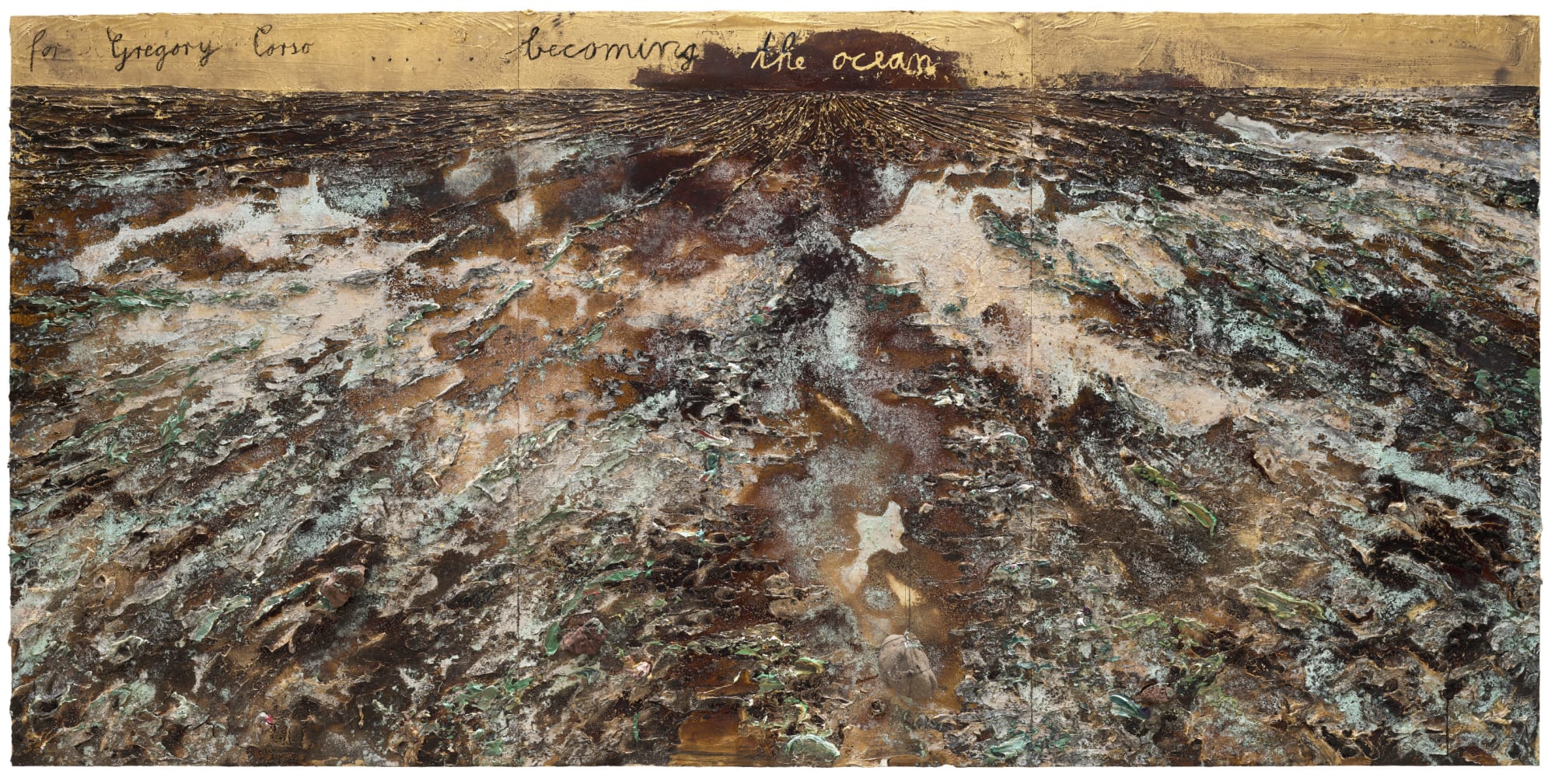
In Becoming the Sea, which just closed at the Saint Louis Art Museum, Anselm Kiefer (German, born 1945), returned to one of the most ancient gestures of artmaking: to look at a river that he traveled up in 1991, not merely as landscape, but as fate. Among the monumental works that define the exhibition, Kiefer’s portrayals of America’s iconic Mississippi River, laced with his memories of the Rhine, in a way that stands out for their gravity and resonance. They are not conventional depictions of the mighty river and the resources it provides, but rather, accumulations of history, sediment, trauma, myth, and material, pressed into thick, wounded surfaces that feel as though they have been dredged from the riverbed itself onto the concrete riverbanks.
Kiefer’s environmental statement is embedded in his art; he brings the natural world indoors to remind us of the ecological catastrophes we have created. Here, the relationships between land, memory, and ecological inheritance are raked across the huge images of Kiefer’s Mississippi River system, depicting it as a living body, altered, burdened, and increasingly precarious.
The Mississippi River has always exceeded geography. It is an artery, border, trade route, ecological system, a cultural myth, and a historical witness. It holds Indigenous histories, the barbarity of enslavement, the violence of extraction, and the ongoing consequences of industrial modernity. Kiefer approaches the river with this full weight intact. In Becoming the Sea, the Mississippi appears wide and dark, rendered in scorched palettes of leaden grays, ashen browns, and oxidized whites. Paint is not simply applied; it is embedded with straw, ash, earth, and metal, creating a surface that feels stratified rather than pictorial.
This material excess matters. Kiefer’s use of lead, long associated in his practice with alchemy, ruin, and transformation, echoes the toxic burdens carried by modern rivers: heavy metals, agricultural runoff, and industrial waste. The Mississippi, the Missouri, and the Rhine becomes an archive of accumulation, a place where the byproducts of human ambition settle and remain, despite the river’s powerful essence and will.
The exhibition’s title, Becoming the Sea, suggests inevitability. Rivers do not merely end at the ocean; they anticipate it. Kiefer’s Mississippi is perpetually in this state of becoming, widening, flattening, losing distinction. Its banks dissolve into the atmosphere; its waters verge on abstraction. This is not the romantic and vital river of American expansion, but a giant river under pressure, swollen with what it must carry.
There is a quiet but unmistakable ecological reading of the Mississippi and its support of diverse plant life, the native oaks, maples, prairie grass, and wildflowers, along its bluffs and floodplains. Climate disruption intensifies flooding; river engineering constrains natural flow; monoculture agriculture strips landscapes of resilience. Kiefer does not illustrate these facts. Instead, he allows form and material to embody them. The Mississippi appears heavy, exhausted, overburdened… its surfaces cracked, eroded, scarred.
In this sense, the works speak directly to an ongoing inquiry into how landscapes remember stress. The river records what has been done to it, just as soil records chemical inputs, and air carries the lingering signatures of combustion and loss.
Kiefer does not offer solutions. He offers gravity. In doing so, he compels us to reckon with sentient histories of rivers and, as always becoming, the sea we are shaping.
Lead Image: Anselm Kiefer, “Becoming the ocean, for Gregory Corso,” 2024; emulsion, oil, acrylic, shellac, sediment of electrolysis, gold leaf, stones, and annealed wire on canvas; 110 1/4 inches x 18 feet, 8 7/16 inches; Private collection; © Anselm Kiefer, Photo: Nina Slavcheva living networks within them. Cities and nature need each other.
To listen to a collection of songs about the Mississippi curated by David Byrne, click here:
Gayil Nalls, PhD is an interdisciplinary artist and theorist and the founder of the World Sensorium / Conservancy.
Plantings
Issue 56 – February 2026
Also in this issue:
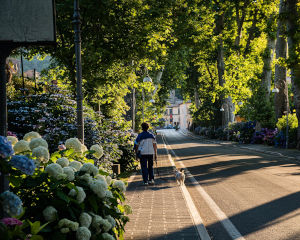
Urban Nature: Building Resilience with Living Systems
By Gayil Nalls
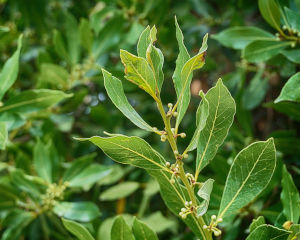
The Crown Made of Leaves
By John Steele

Why the World Must Measure Well-Being, Not GDP
By Gayil Nalls
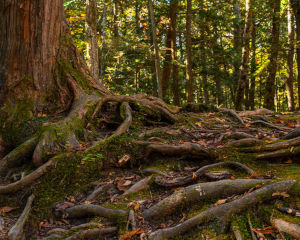
The Secret Lives of Tree Roots
By Kristen French
On Self-Incompatibility
By Daria Dorosh

Eat More Plants Recipes:
Why and How to Grow Microgreens
By WS/C
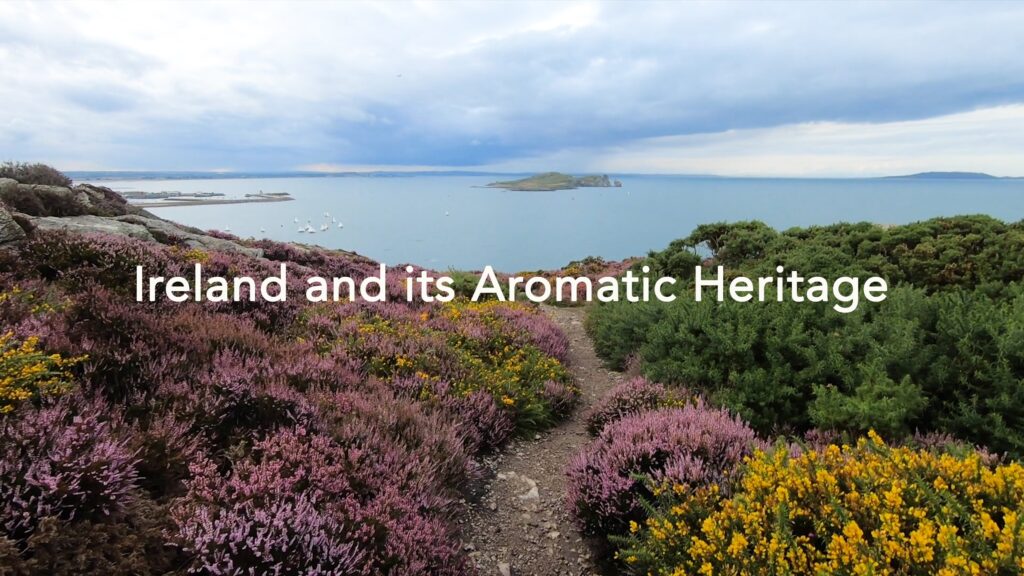
As Ireland transitions from the rich, smoky scent of peat-burning to a more sustainable future, its olfactory heritage is evolving. What will become the next iconic aromatic symbol of Ireland?
Click to watch the documentary trailer.
As Ireland transitions from the rich, smoky scent of peat-burning to a more sustainable future, its olfactory heritage is evolving. What will become the next iconic aromatic symbol of Ireland?