

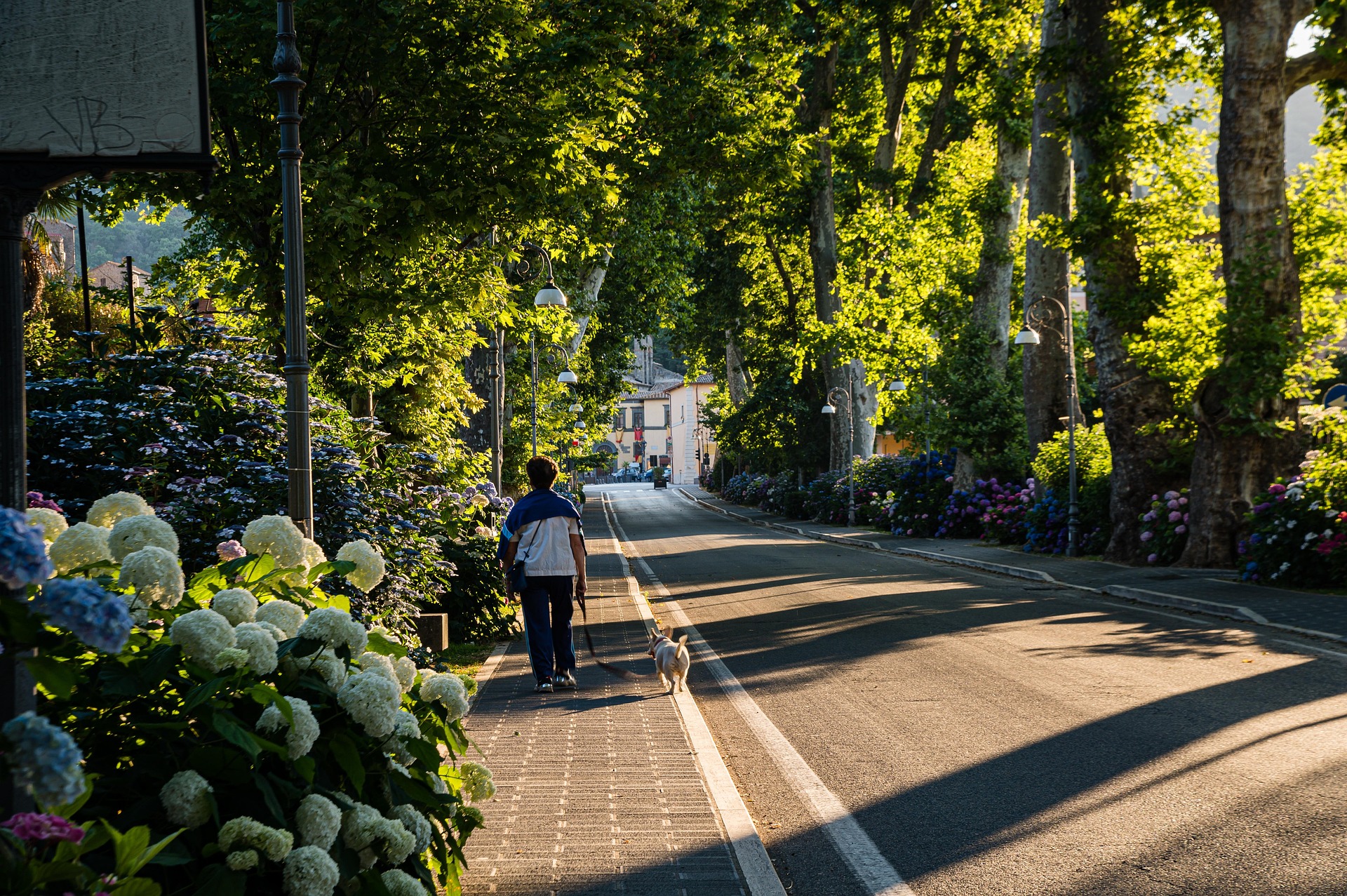
Urban Nature: Building Resilience with Living Systems
By Gayil Nalls
Sign up for our monthly newsletter!
A clear demographic reality is reshaping the 21st century: humanity is now an urban species. The United Nations’ World Urbanization Prospects 2025 report states that in 2025, 45% of the world’s population resides in cities, 36% in towns, and 19% in rural areas, meaning that most people now live in urban settlements rather than the countryside. The same UN analysis projects that roughly two-thirds of global population growth between now and 2050 will occur in cities, with most of the remainder concentrated in towns.
This shift is often framed as a challenge in planning and housing. It is also, fundamentally, an ecological and public-health challenge. As cities expand, they frequently replace permeable, living landscapes with heat-absorbing materials, fragmented habitats, and engineered drainage systems that move water away quickly, but often at high cost. In a warming climate, these changes amplify risk: the Intergovernmental Panel on Climate Change (IPCC) notes that urban expansion and the loss of green infrastructure reduce adaptive capacity and can intensify hazards such as the urban heat island, which can add around 2°C to local warming in some contexts.
What Nature in Cities Means
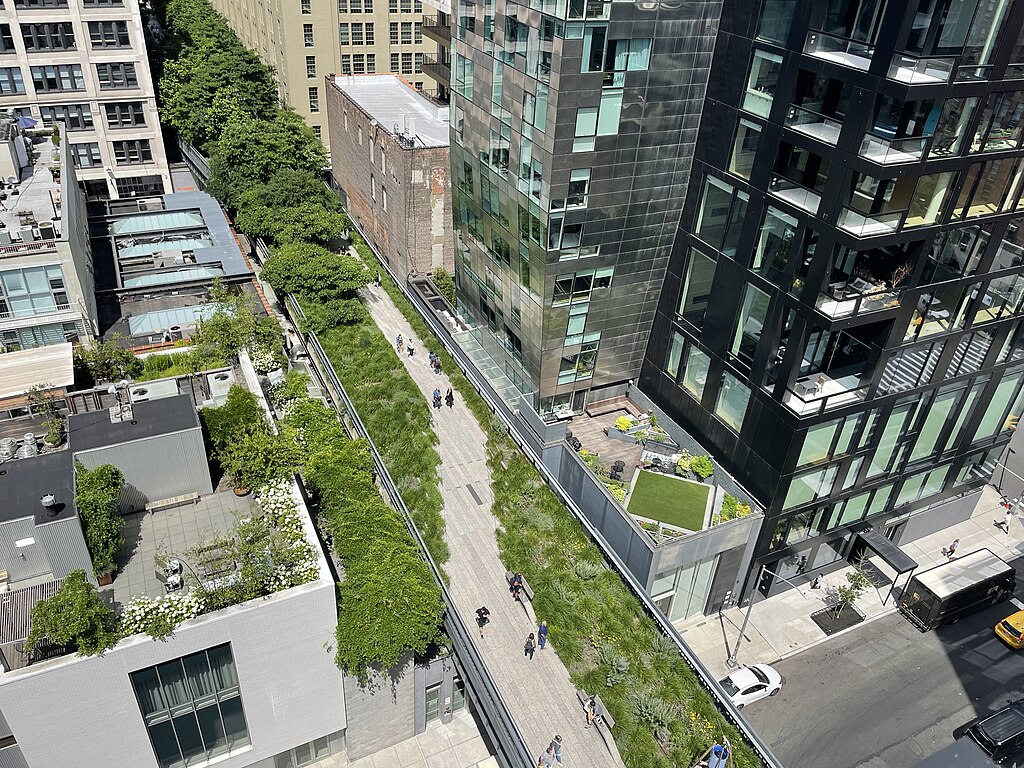
Urban nature is not limited to iconic parks. Increasingly, the most effective approaches treat nature as infrastructure, a distributed system of green and blue elements that perform essential services: Urban trees and street canopies. Parks, community gardens, pocket parks, greenways. Wetlands, bioswales, rain gardens, and restored streams. Green roofs and living walls. Permeable surfaces and “sponge city” designs. And coastal and riverine buffers (where relevant).
This is often grouped under green (and blue) infrastructure, a category the IPCC highlights for its ability to deliver adaptation co-benefits such as heat mitigation, alongside mitigation benefits like reduced energy demand.
A substantial body of research links access to urban green spaces as preventive medicine with improved health outcomes through multiple pathways: stress reduction, increased physical activity, social cohesion, and reduced exposure to air pollution, noise, and extreme heat. The World Health Organization’s (WHO) evidence review describes these mechanisms and summarizes associations between urban green space and benefits, including mental health and reduced cardiovascular risk.
More recent quantitative syntheses strengthen the picture. A 2024 systematic review meta-analysis published in Science Direct found satellite-measured greenness, Normalized Difference Vegetation Index (NDVI), to be protective against all-cause mortality (pooled hazard ratio improvements per greenness increase), with effects that vary by buffer distance around homes. A 2023 meta-analysis reported that greater green space exposure is associated with lower risk of depression and anxiety, supporting greening as a population-level public-health intervention. These findings show that the direction of evidence is increasingly consistent: greener urban environments are, on average, healthier urban environments.
Heat Resilience: Shade and Evapotranspiration Save Lives
Extreme heat is already one of the most dangerous climate hazards for cities. Trees and green-blue systems mitigate heat through shading and evapotranspiration, lowering ambient temperatures and improving thermal comfort. A 2024 peer-reviewed analysis on street trees notes that shading can strongly reduce temperatures and synthesizes evidence of meaningful cooling effects across cities.
Newer city-scale and scenario studies add detail: increasing canopy coverage can reduce hotspot temperatures and lower the frequency of dangerous heat exceedance. The IPCC also emphasizes that green and blue infrastructure can reduce the urban heat island effect and provide adaptation co-benefits alongside mitigation.
The implication for planning is straightforward: cooling is not just an engineering problem (air conditioning); it is a landscape problem (shade, water, and surface materials), and nature is one of the few interventions that cools while simultaneously improving health, biodiversity, and livability.
Water resilience: Slowing, Soaking, and Cleaning Stormwater
As precipitation becomes more intense in many regions, cities face rising flood risks and costly stormwater overflows. Green infrastructure helps by retaining rainfall where it falls, increasing infiltration, and reducing peak runoff. A widely cited review on the role of trees in urban stormwater management explains how canopy interception, transpiration, and soils work together to reduce runoff and complement engineered systems.
Evidence continues to accumulate that urban trees and green systems can measurably reduce runoff volumes and peak flows under certain conditions—especially when designs are matched to local climate, soils, and maintenance capacity.
Cities are not ecological blank spots; they can hold the biodiversity that allows us to feel the ecology of everyday life. They can become refuges and corridors for pollinators, migratory birds, and urban-adapted species when habitat is connected, and pesticide pressure is reduced. Biodiversity in cities is not only about saving wildlife, it also supports ecosystem function (pollination, temperature regulation, pest control) and deepens people’s everyday contact with living systems, which is itself linked to well-being and longevity.

A Practical Bottom Line for City Leaders
If the 20th-century city was built around roads, pipes, and power lines, the 21st-century city must also be built around living systems. Urban nature is no longer a “nice to have.” It is a cost-effective, multi-benefit strategy for reducing heat risk and improving thermal comfort, supporting mental and physical health, managing stormwater and improving water quality and strengthening climate resilience and lowering emissions through co-benefits. Cities need nature because this is where humanity lives now
The UN’s 2025 urbanization figures are not just statistics; they are a design brief for the future. When nearly everyone lives in cities and towns, the question becomes: what kind of urban world are we making? One dominated by heat, stress, and hard surfaces or one where green infrastructure is treated as essential civic equipment, as fundamental as roads and water systems.
In the decades ahead, billions more people will experience “nature” primarily through the places where they live: street trees, parks, schoolyards, river edges, and neighborhood gardens. Building cities that are healthier, more resilient, and more beautiful is inseparable from rebuilding the living networks within them. Cities and nature need each other.
Gayil Nalls, PhD is an interdisciplinary artist and theorist and the founder of the World Sensorium / Conservancy.
Sources
UN:
https://population.un.org/wup/assets/Publications/undesa_pd_2024_key_messages_wup_2025.pdf
IPCC:
https://www.ipcc.ch/report/ar6/wg2/chapter/chapter-6
WHO:
https://www.who.int/europe/publications/i/item/WHO-EURO-2016-3352-43111-60341
SCIENCE DIRECT:
https://www.sciencedirect.com/science/article/pii/S221067072400725X
https://www.sciencedirect.com/science/article/abs/pii/S0013935123011076
Plantings
Issue 56 – February 2026
Also in this issue:
The Crown Made of Leaves
By John Steele
Why the World Must Measure Well-Being, Not GDP
By Gayil Nalls
The Secret Lives of Tree Roots
By Kristen French
Becoming the Sea: Anselm Kiefer and the Mississippi as Memory, Material, and Warning
By Gayil Nalls
On Self-Incompatibility
By Daria Dorosh

Eat More Plants Recipes:
Why and How to Grow Microgreens
By WS/C
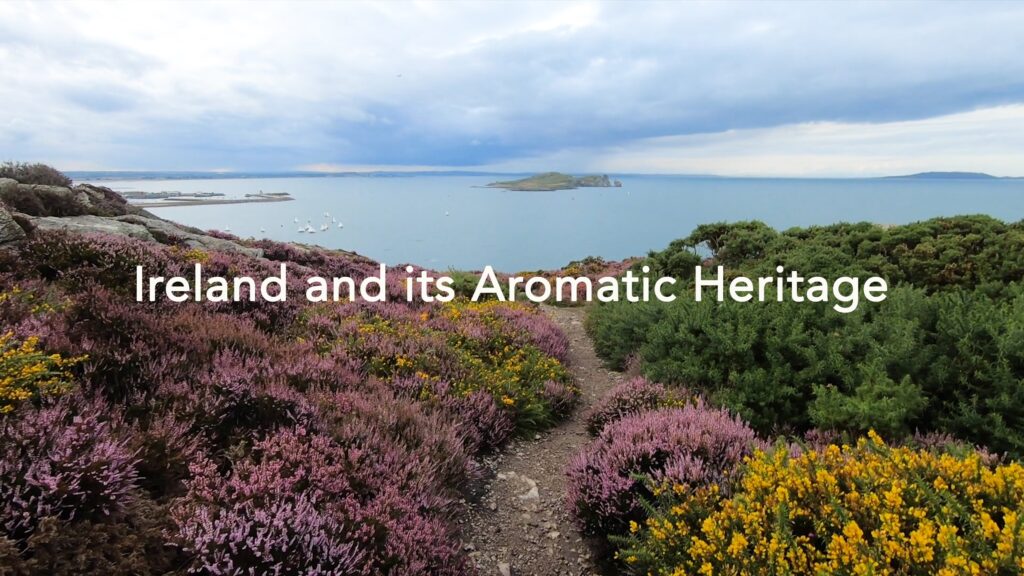
As Ireland transitions from the rich, smoky scent of peat-burning to a more sustainable future, its olfactory heritage is evolving. What will become the next iconic aromatic symbol of Ireland?
Click to watch the documentary trailer.
As Ireland transitions from the rich, smoky scent of peat-burning to a more sustainable future, its olfactory heritage is evolving. What will become the next iconic aromatic symbol of Ireland?