Hudson Valley Apples
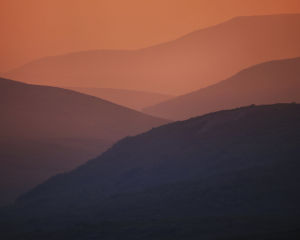
In the Hudson Valley, fall arrives through the senses. The mornings turn cool, the light falls differently across the hills, and farm stands begin to fill with apples. Some are glossy and sweet, others tart enough to make you pause after the first bite. Along orchard roads, the air carries a scent that belongs to this season alone: ripe fruit, fallen leaves, damp earth, and the faint spice of cider.
Apple orchards have been part of the Hudson Valley landscape for centuries. Dutch and English settlers brought cultivated apple varieties to a region where Indigenous communities had long farmed the land. At first, apple trees were one part of a farm’s varied crops, supplying fruit for eating, cooking, and cider. However, during the nineteenth century, apples became an important commercial crop. Growers carried their harvests to Hudson River docks, where boats took the fruit to New York City. Railroads later opened wider markets, and improved storage helped farmers sell apples beyond the harvest season. Orchards spread through communities such as Red Hook, shaping both the local economy and the landscape we recognize today.
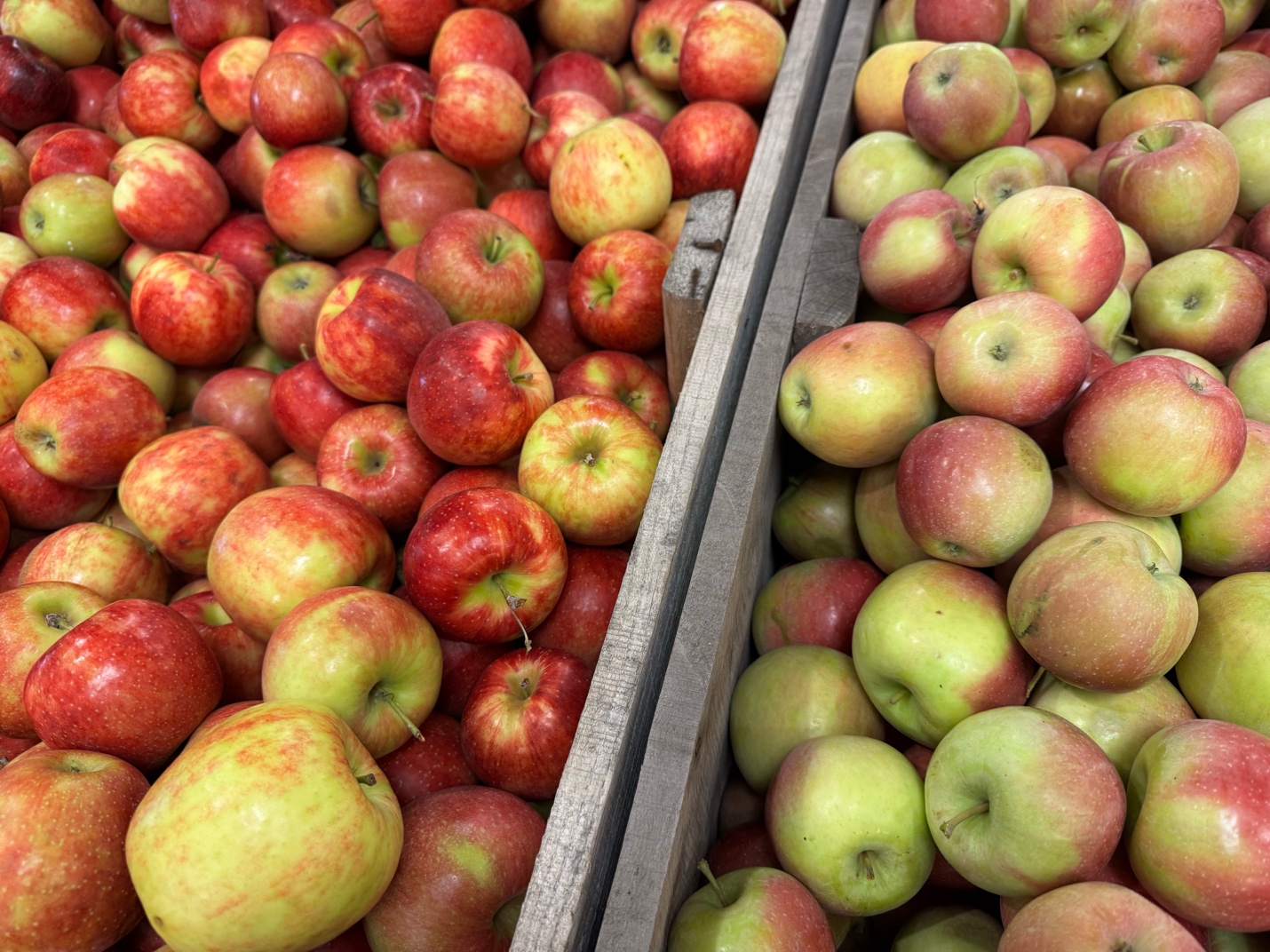
That history returns each fall, when orchard trees bend with fruit and roadside stands offer apples by the bag. An apple eaten outdoors in autumn tastes different from one pulled from the refrigerator in February. Perhaps it is the pleasure of choosing it from a crowded bin, knowing the trees it came from are just down the road, or maybe picking it from your own. Each variety offers something distinct: one crisp and bright for eating out of hand, another that softens beautifully in the oven. Even the imperfect apples have their place in sauce, cider, and pies.
Apples invite us to slow down and notice the change of season. They connect the kitchen to the orchard and the orchard to the soil, weather, pollinators, and people who tend it. For this October’s Eat More Plants, we’re bringing that harvest home with a simple baked apple recipe. A little cinnamon, oats, and maple syrup are all it takes to make the house smell like fall.
Eat More Plants: Recipes
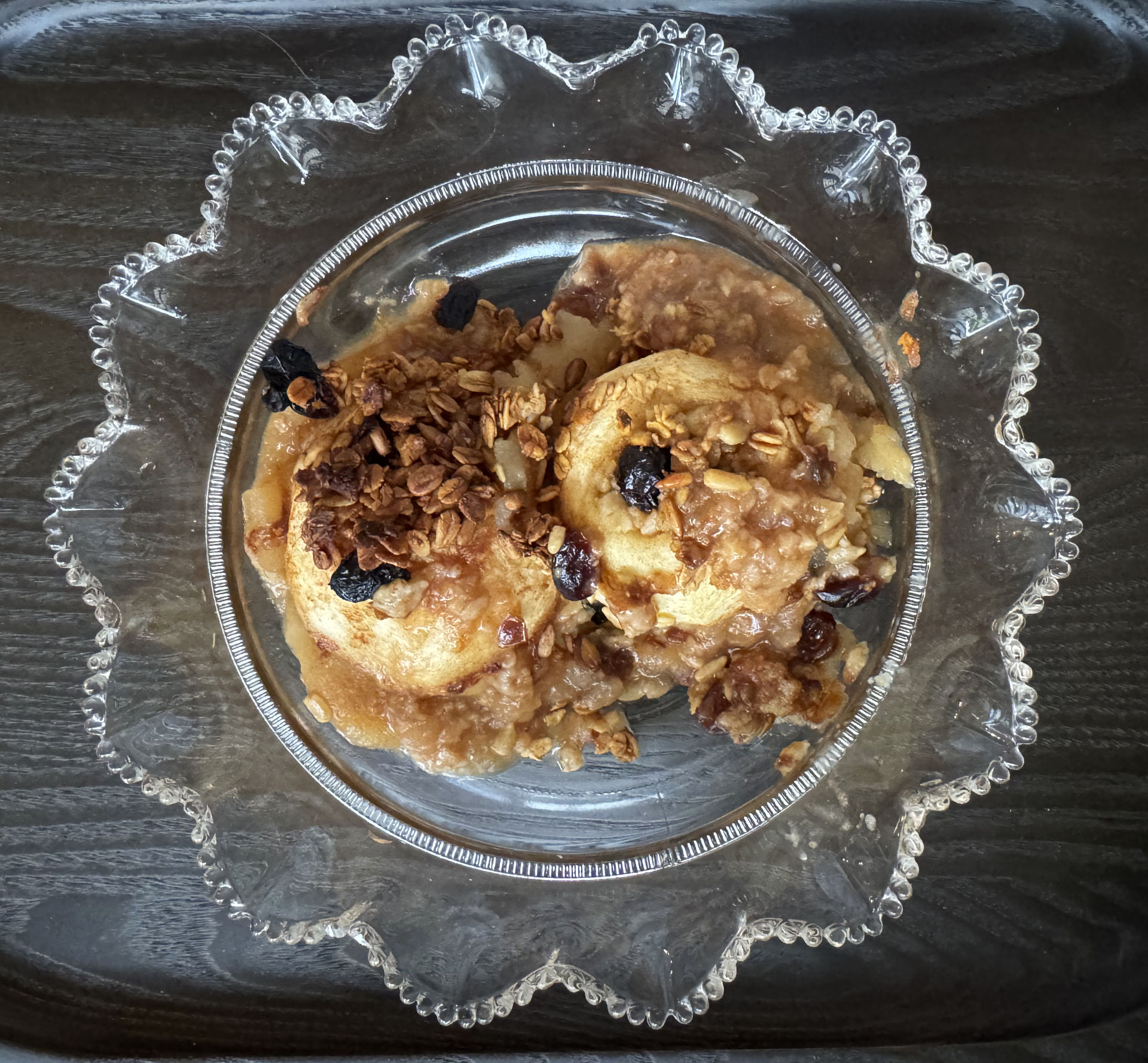
Maple Oat Baked Apples
By Gayil Nalls
Sign up for our monthly newsletter!
October is apple season, and this easy recipe fills the kitchen with the scent of fruit and cinnamon. Serve the apples warm for breakfast or as a simple dessert.
Serves 4 | Prep: 10 minutes | Bake: 35–45 minutes
Ingredients
- 4 firm apples, such as Honeycrisp or Pink Lady
- ⅓ cup rolled oats
- 2 tablespoons maple syrup
- 1 tablespoon olive oil
- ½ teaspoon ground cinnamon
- 2 tablespoons raisins or dried cranberries, optional
- ¼ cup water
Method
- Heat the oven to 375°F (190°C). Core the apples, leaving the bottoms intact, and place them in a small baking dish.
- Mix the oats, maple syrup, olive oil, cinnamon, and dried fruit, if using. Spoon the mixture into the apples.
- Pour the water into the dish around the apples. Bake for 35–45 minutes, until the apples are tender when pierced with a knife. Spoon a little of the warm pan juice over each apple before serving.
For a softer apple, bake a few minutes longer. Leftovers are delicious chopped into warm oatmeal the next morning.hile the batter is crisp and the blossom inside remains tender.
Gayil Nalls, PhD, is an interdisciplinary artist and theorist and the founder of the World Sensorium / Conservancy.

As Ireland transitions from the rich, smoky scent of peat-burning to a more sustainable future, its olfactory heritage is evolving. What will become the next iconic aromatic symbol of Ireland?
Click to watch the documentary trailer.
As Ireland transitions from the rich, smoky scent of peat-burning to a more sustainable future, its olfactory heritage is evolving. What will become the next iconic aromatic symbol of Ireland?