
The Land Within Us
How People Shape the Earth—and Are Shaped in Return
By Gayil Nalls
Sign up for our monthly newsletter!
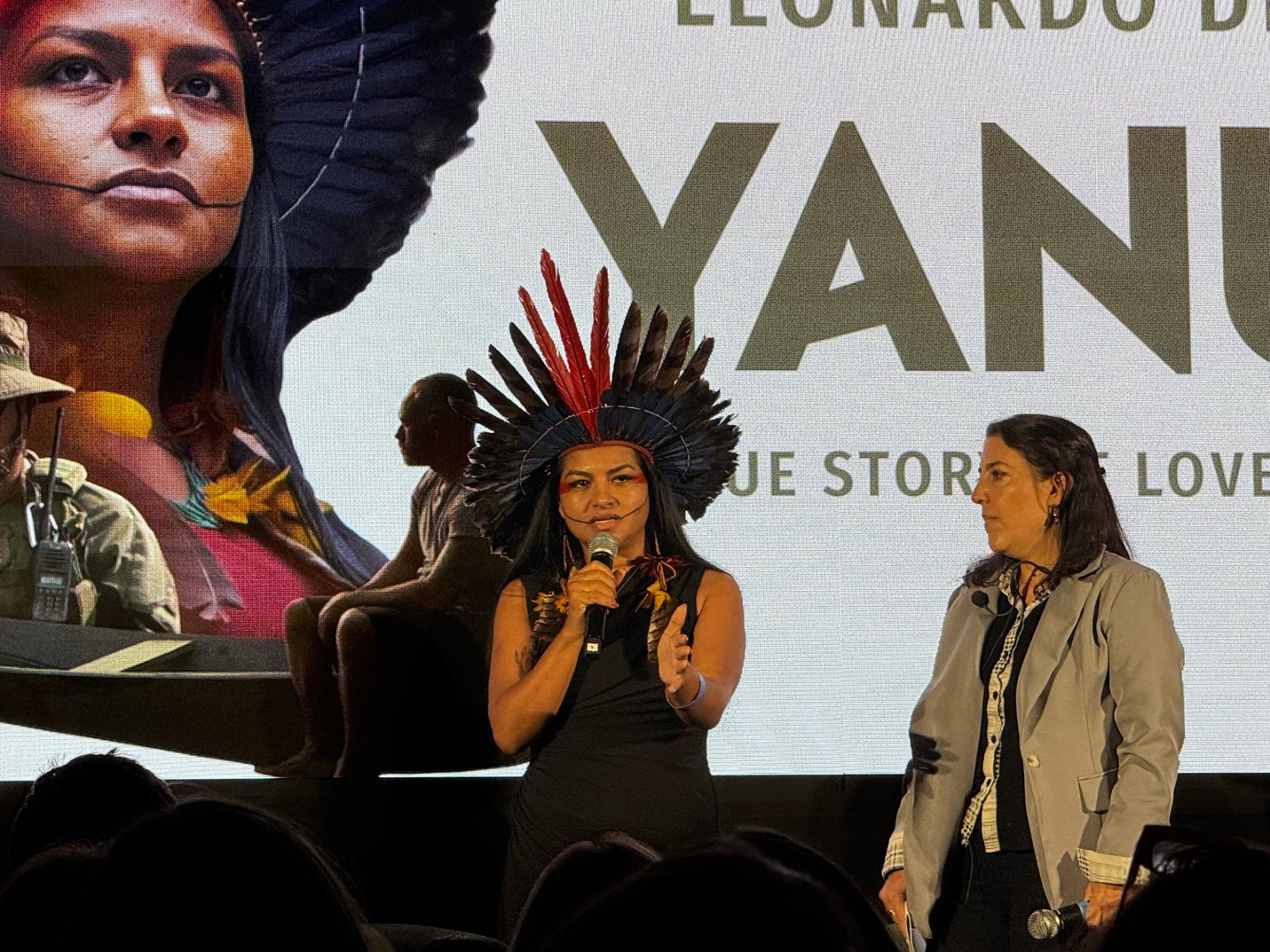
The Leonardo DiCaprio-produced documentary Yanuni tells the story of Juma Xipaia, an Indigenous chief from the Brazilian Amazon whose fight to protect her people’s land has continued despite repeated attempts on her life. The film follows Juma and her husband, environmental enforcement officer Hugo Loss, as they confront the threats facing the forest. Their story, a closing night hit at the Tribeca Film Festival this year, brings the struggle for Indigenous sovereignty into intimate focus: the future of the Amazon is also the future of the families and communities who call it home. Juma was in New York for Climate Week and spoke at the Atmos event. She asked if we are listening.
We often speak of the land as a setting: the ground beneath human history, a stage on which cultures rise and fall. But the Earth’s landscapes are not a stage where life happens. It participates in life. It enters the body through food and water, fills the lungs as pollen and aromatic molecules, structures language, shapes memory, and teaches people how to survive. Human communities, in turn, alter the land through cultivation, burning, harvesting, settlement, ceremony, storytelling, and care. Over generations, people and place become inseparable.
A major study published in Nature, “The Forest of Knowledge Under Global Change,” makes this relationship urgently visible in the Amazon. Researchers assembled an extensive record of the native plants Indigenous peoples use for medicine, food, construction, tools, ritual, and other purposes and considered what climate change and the disappearance of Indigenous languages could mean for this extraordinary inheritance. Their findings reveal that beyond the Amazon’s reservoir of biological diversity is a living repository of relationships: between particular plants and particular peoples, between ecological conditions and cultural practices, and between human memory and the more-than-human world.[1]
The study warns that Indigenous cultures across Amazonia could lose access to approximately one-third of the native plant species they use as the climate changes. At the same time, the loss of threatened Indigenous languages could reduce the region’s documented plant-knowledge pool by 26 percent.[1] These are not separate emergencies. When a plant disappears from a territory, knowledge of its properties can lose its living context. When a language disappears, the ecological understanding held within its words can vanish even if the plant remains.This is biocultural loss: the simultaneous unraveling of biological diversity and cultural knowledge.
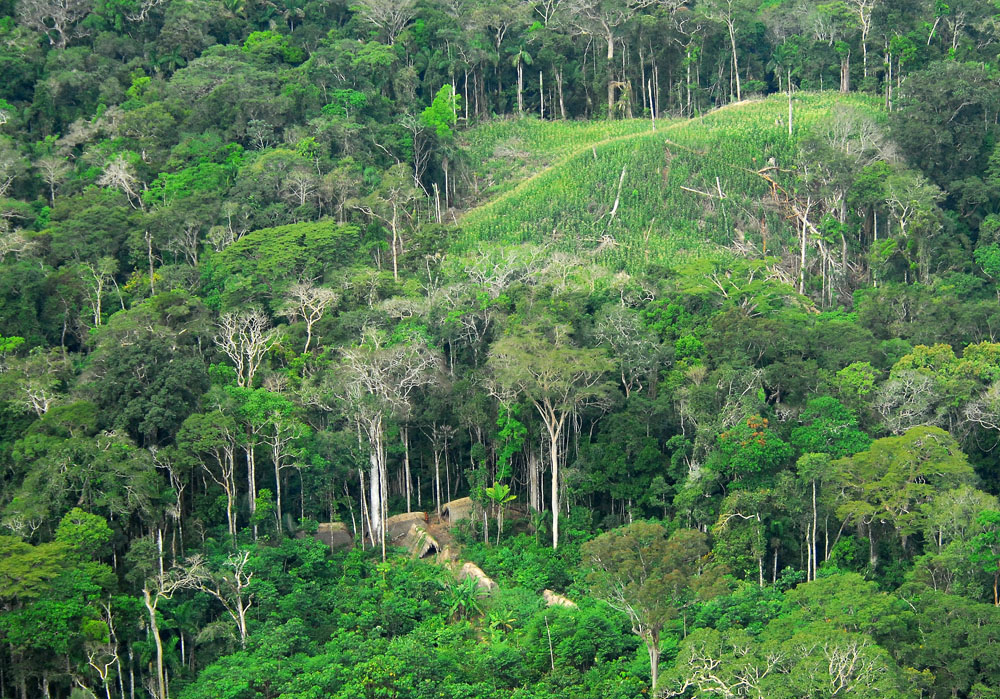
A forest is made by relationships. The Amazon is often imagined as the ultimate wilderness, a vast expanse of nature untouched by human hands. Archaeology and ecology tell a more complex story. Indigenous peoples have inhabited and managed Amazonian landscapes for thousands of years. They enriched soils, selected useful plants, tended forests, established gardens and orchards, and transported species along rivers and pathways. Some areas that appear entirely wild still bear the botanical signatures of generations of human care.
Studies have found that tree species domesticated or favored by pre-Columbian peoples are disproportionately abundant across the Amazon, especially near archaeological sites. Brazil nut, cacao, açaí, peach palm, and many other plants are not resources that people discovered in the forest. Their present distributions partly reflect long histories of selection, cultivation, exchange, and protection.[2] The forest that shaped Indigenous cultures was also shaped by them.
This does not mean that people “made” the Amazon in the industrial sense. It means that human influence is not inevitably destructive. There is a profound difference between inhabiting a landscape through reciprocal relationships and treating it as a stockpile of timber, minerals, land, and commodities.
Traditional forest management often works through attention to ecological rhythms. People know when a tree fruits, which soils support a medicinal plant, what flowers attract particular pollinators, when fish move through flooded forests, and how fire can be used carefully to renew certain habitats. This knowledge is cumulative. It is produced through generations of observation, experiment, memory, and correction.
The resulting landscape is neither purely cultural nor purely natural. It is a biocultural landscape: a place in which biodiversity and human practice have developed together.

The influence of land upon people is perhaps most apparent in language. A language developed within a forest does more than assign different names to trees. It can encode distinctions among soils, stages of plant growth, seasonal waters, animal behaviors, fragrances, medicinal effects, and spiritual relationships that may be almost invisible to an outsider.
A plant’s name can contain information about where it grows, how it is prepared, who may gather it, what other species live near it, and how it entered the history of a people. Classification may depend not only on visual appearance but also on texture, taste, scent, sound, toxicity, healing action, or relationship to animals and ancestral beings. The vocabulary is therefore not a collection of labels placed upon the environment. It is evidence of sustained attention to the land.
Language also determines what can be noticed and transmitted. When elders teach younger generations the name of a medicinal leaf, they may also be teaching the story of an illness, the proper moment for harvesting, a prayer of gratitude, and the responsibility not to take too much. Ecological knowledge is carried not only in information but in grammar, metaphor, narrative, song, gesture, and practice.
This is why translating a plant name into a dominant national language cannot preserve everything it contains. A database may record that a species is used medicinally, but it might not capture the cultural principles governing its use or the sensory knowledge required to identify it. Some knowledge can be conserved only by keeping alive the relationships through which it is learned. When a language falls silent, humanity does not lose only a means of communication. It loses a distinct way of perceiving the living world.
Climate change disrupts this exchange between people and place. Rising temperatures, altered rainfall, longer droughts, severe fires, and changing river cycles are shifting the conditions under which Amazonian species can survive. A plant may move beyond a community’s territory, decline locally, flower at a different time, or become vulnerable to pests and disease. The ecological calendar upon which generations have relied begins to lose its predictability.
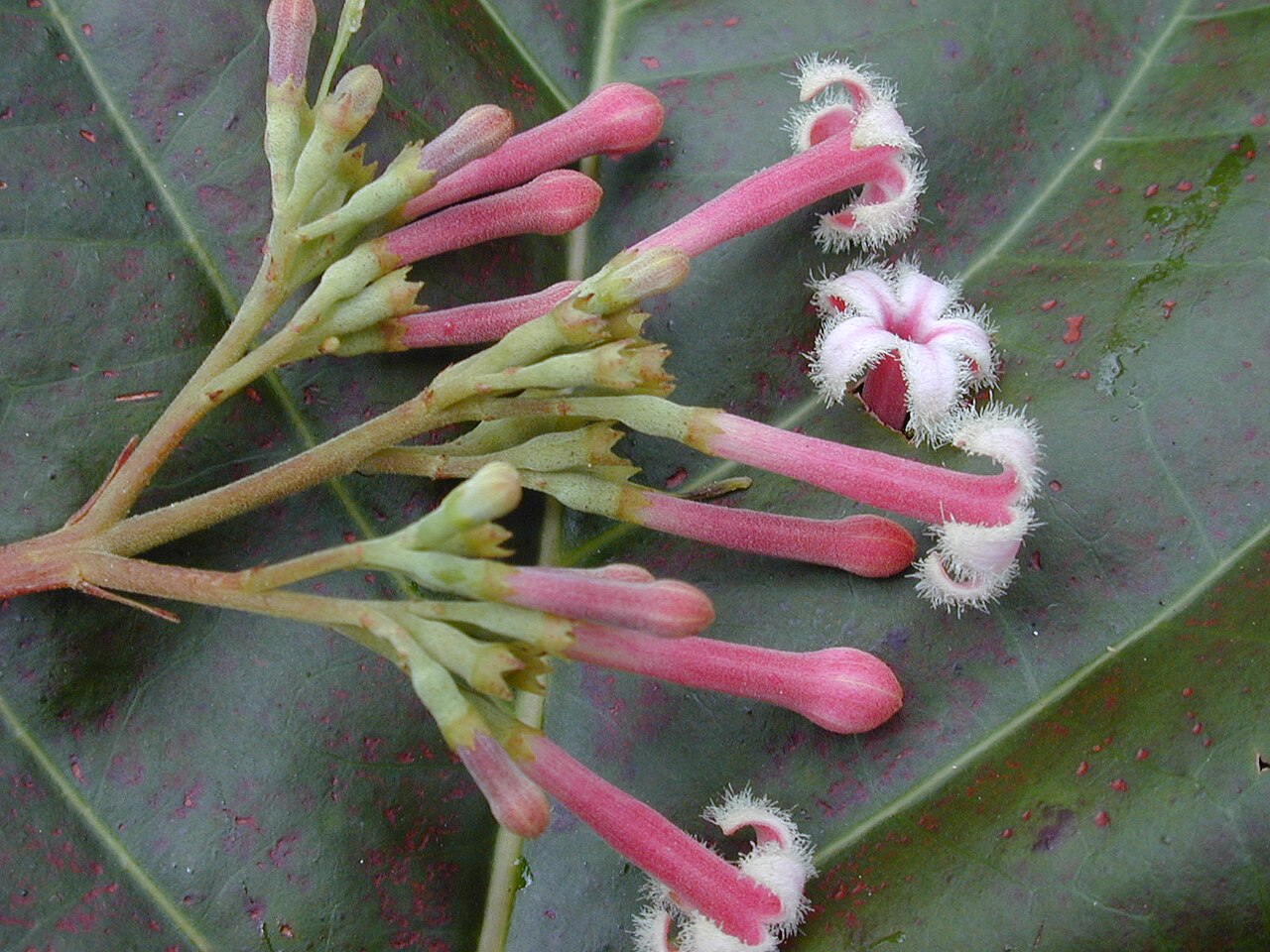

These changes reach deeply into cultural life. The disappearance of a medicinal plant affects health. The decline of a fruiting tree affects nutrition and food sovereignty. The loss of a fiber, dye, resin, wood, or aromatic species can interrupt material traditions. When a plant used in ceremony vanishes, spiritual and communal practices can become more difficult to sustain.
The loss is sensory as well. A changing landscape smells different. Forests damaged by drought and fire no longer release the same sequence of floral, resinous, earthy, and humid odors. The seasonal arrival of a blossom, the fragrance of leaves crushed during medicine-making, or the smoke of a particular ceremonial wood may be part of the structure of memory. When those smells disappear, people lose not only biological resources but sensory anchors connecting childhood, ancestry, and place.
Land degradation can therefore produce cultural disorientation. People may remain in the same geographic location yet experience a form of displacement because the ecological relationships that made it home are disappearing.
The land shapes physical health, but also emotional and collective identity. It provides familiarity, orientation, livelihood, continuity, and belonging. When it is injured, the effects travel through the body and the culture.
There are two forms of human impact. Human influence upon land can be extractive or regenerative. The extractive relationship begins with separation. The forest becomes timber. The river becomes a transport route or energy source. The soil becomes acreage. Plants become isolated chemical compounds or commercial products. Value is measured by what can be removed, sold, and replaced. The timescale is immediate, while the consequences—erosion, contamination, biodiversity loss, social disruption, and climate change—are deferred to future generations.
A regenerative relationship begins with continuity. Its central question is not simply what the land can provide, but what must remain so that life can continue providing. Harvest is balanced with renewal. Use is accompanied by obligation. Knowledge belongs within relationships among people, species, ancestors, and future generations.
This distinction matters because the answer to ecological crisis is not a world without people. Indigenous territories frequently maintain greater forest integrity and biodiversity than surrounding areas subjected to commercial extraction. Securing Indigenous land rights and supporting community governance are therefore not peripheral social considerations; they are essential conservation strategies.[3]
Yet Indigenous peoples should not be reduced to instruments for protecting carbon or biodiversity for the rest of the world. Their right to territory, language, cultural practice, and self-determination exists independently of the environmental services their lands provide. Genuine conservation requires partnership rather than appropriation and consent rather than control.
Restoration is often imagined as planting trees. But an ecologically reconstructed forest is not necessarily a restored homeland. Regeneration must include culture.If communities have been displaced, languages suppressed, or access to culturally important species restricted, the return of vegetation alone cannot repair what has been lost.
Biocultural regeneration must operate across interconnected areas: protecting species and habitats; sustaining Indigenous languages and the transfer of knowledge; securing land tenure and self-determination; and renewing the everyday relationships through which people care for plants and landscapes.[4] Seed banks, herbaria, recordings, and digital archives can help, but they cannot substitute for living transmission. Knowledge remains most resilient when people can continue to gather, cultivate, smell, taste, prepare, name, and teach the plants within their own territories.
The process must also protect Indigenous authority over knowledge. Ethnobotanical information has often been extracted from communities and transformed into academic prestige or commercial products without appropriate consent, recognition, or benefit-sharing. Preserving knowledge cannot mean removing it from its holders. Regeneration must allow communities to decide what may be shared, what must remain protected, and how any benefits will be distributed.
The Nature research offers a powerful warning, but also a broader lesson. Biological diversity and cultural diversity do not merely coexist; they sustain one another. A forest needs people capable of recognizing its changes, defending its continuities, and transmitting ways of living within its limits. People need the forest as nourishment, medicine, memory, teacher, and home.
The Amazon may seem distant to those living in cities, suburbs, or temperate landscapes, yet the relationship it reveals is universal. Every culture has been shaped by its land—by prevailing winds, watersheds, soils, seasons, animals, and plants. Our foods, building materials, medicines, metaphors, festivals, and senses of beauty arose from particular ecological conditions.
Modern life often conceals this dependence. Water arrives through pipes, food through supermarkets, medicine through pharmacies, and materials through global supply chains. The land has not ceased to sustain us; it has simply been made less visible. This invisibility allows damage to occur far from those who benefit from it.
Regeneration begins by learning to perceive connection again. It asks us to understand that land is not empty space awaiting economic use, but a community of relationships already in progress. It asks what histories a forest holds, what intelligence resides in local names, what memories the scent of a plant carries, and whose knowledge we need to help a damaged landscape recover.
People leave their mark upon the land, and the land leaves its mark within people. Each generation inherits the consequences of that exchange. We can impoverish it until forests, languages, and memories disappear together, or we can participate in its renewal.
Today, human-caused climate change is making the land increasingly volatile, disrupting long-established patterns of rainfall, temperature, fire, drought, and seasonal growth. Landscapes once understood as relatively stable are becoming less predictable, shifting between extremes that strain ecosystems and the human communities that depend upon them.
To regenerate the land is also to regenerate culture: to restore the practices of attention, restraint, gratitude, and responsibility that allow people and places to flourish together. The future of the Amazon, and of every inhabited landscape, depends upon remembering that we do not stand upon the Earth as outsiders. The land is around us, beneath us, and within us. What we do to it, we ultimately do to ourselves.
Gayil Nalls, PhD, is an interdisciplinary artist and theorist and the founder of the World Sensorium / Conservancy.
References
1. Cámara-Leret, R., Roehrdanz, P. R., Bascompte, J., et al. “The Forest of Knowledge Under Global Change.” Nature 655, 1212–1216 (2026).
2. Levis, C., Costa, F. R. C., Bongers, F., et al. “Persistent Effects of Pre-Columbian Plant Domestication on Amazonian Forest Composition.” Science 355, 925–931 (2017).
3. Sze, J. S., Carrasco, L. R., Childs, D., and Edwards, D. P. “Reduced Deforestation and Degradation in Indigenous Lands Pan-Tropically.” Nature Sustainability 5, 562–569 (2022).
4. Reyes-García, V. “Regenerating People–Nature Relationships to Counter Biocultural Erosion in the Amazon.” Nature (2026).

Plantings
Issue 64 – October 2026
Also in this issue:

Romain Sordello: Sensory Pollution and the Ecology of Odor Landscapes
Clara Muller

Beyond GDP: Tenzin Seldon’s Vision for an Economy That Regenerates Life
Gayil Nalls
Lessons for the 21st century from a 200‑year‑old book by Frankenstein author Mary Shelley
Eileen Hunt
Hucked and Shucked
Lewis H. Ziska
The Olive Tree
John Steele
Eat More Plants Recipes:
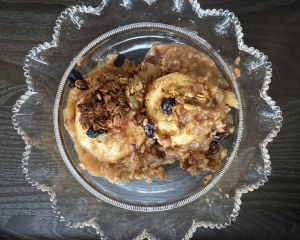
Maple Oat Baked Apples
Gayil Nalls
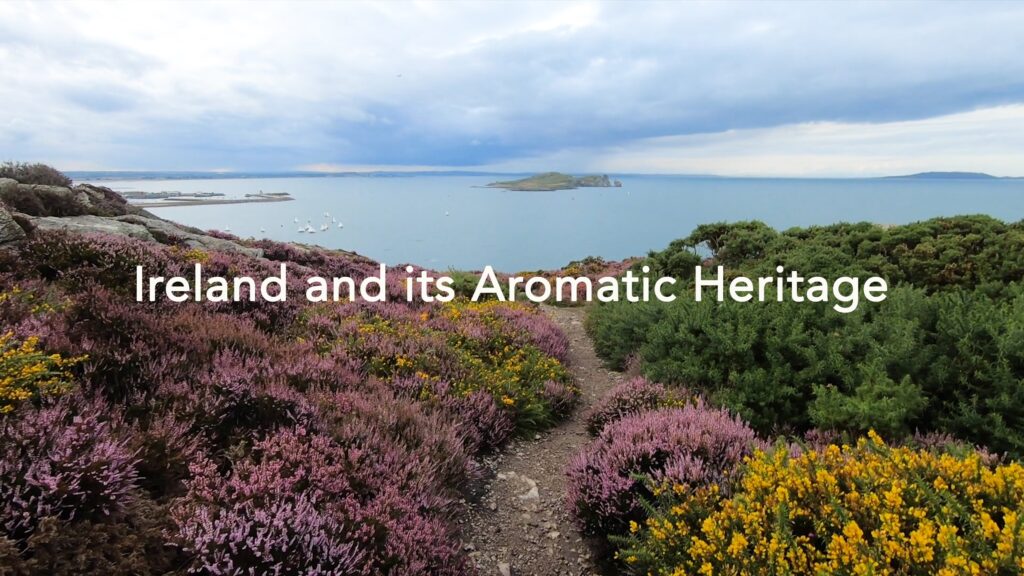
As Ireland transitions from the rich, smoky scent of peat-burning to a more sustainable future, its olfactory heritage is evolving. What will become the next iconic aromatic symbol of Ireland?
Click to watch the documentary trailer.
As Ireland transitions from the rich, smoky scent of peat-burning to a more sustainable future, its olfactory heritage is evolving. What will become the next iconic aromatic symbol of Ireland?