

Bioluminescence and Living Earth
Fireflies, Living Light, and the Quiet Rewards of Restoring a Landscape
By Gayil Nalls
Sign up for our monthly newsletter!
After gazing recently at the sublime beauty of a crescent Moon and Jupiter suspended in the evening sky, leading to thoughts about the motions of planets, I turned my attention earthward—to another celestial display, one unfolding much closer to the ground and the planet I was standing on.
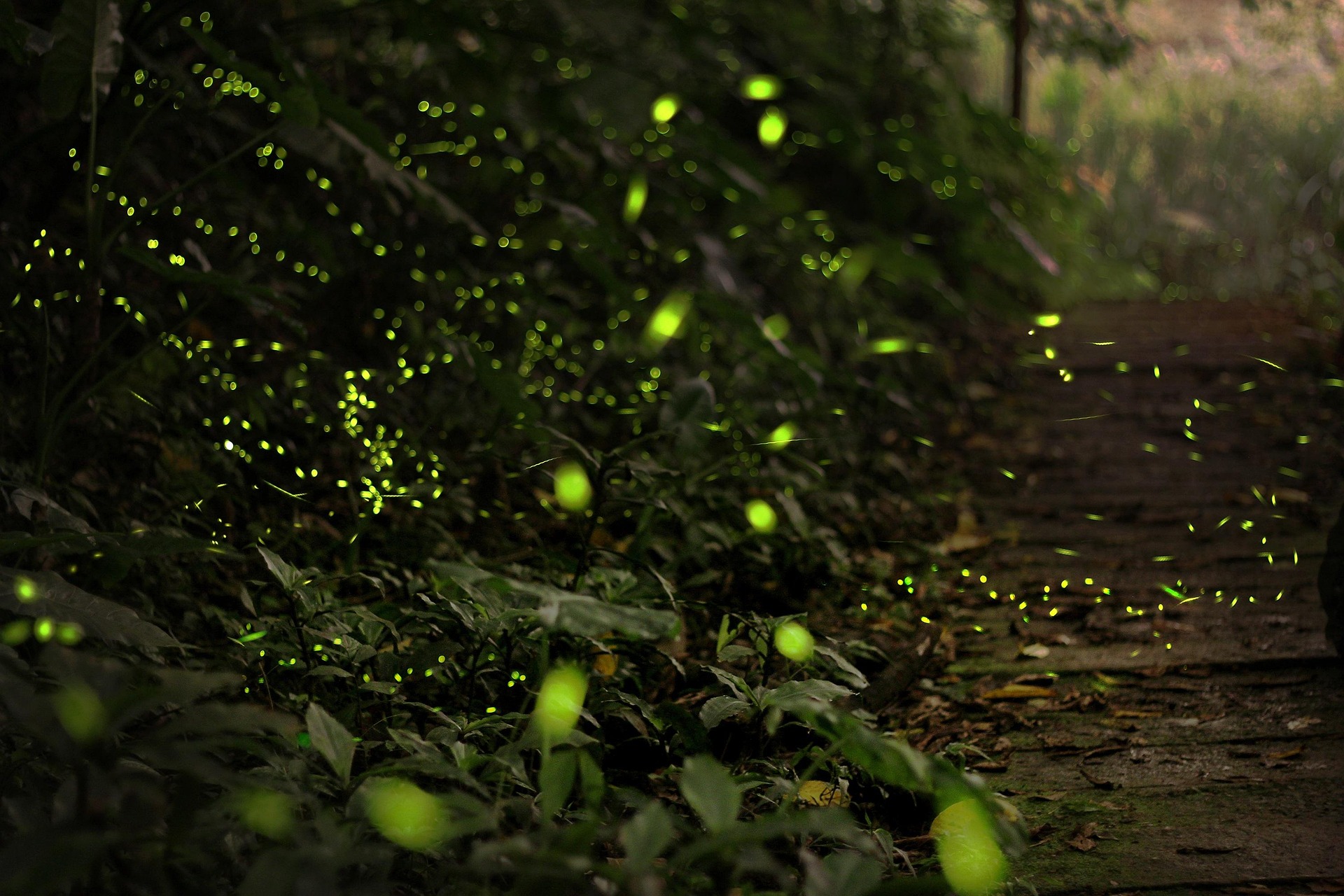
Across the field of my no-mow lawn, tiny lights were rising.
Every summer evening, as daylight fades, fireflies begin drifting above the tall grasses, native plants, and wildflowers. Their flashes appear first here and there, then multiply until the field becomes a constellation of living lights. It is one of the quiet rewards of allowing a landscape to become more alive: a light show not powered by electricity, but by biology.
This summer has been especially remarkable when it comes to the everyday life that we can no longer take for granted. There seem to be fireflies everywhere, their signals moving through the vegetation in a rhythmic exchange of illumination and darkness. Watching them is calming, almost meditative. Yet what looks like magic is also an extraordinary feat of evolution.
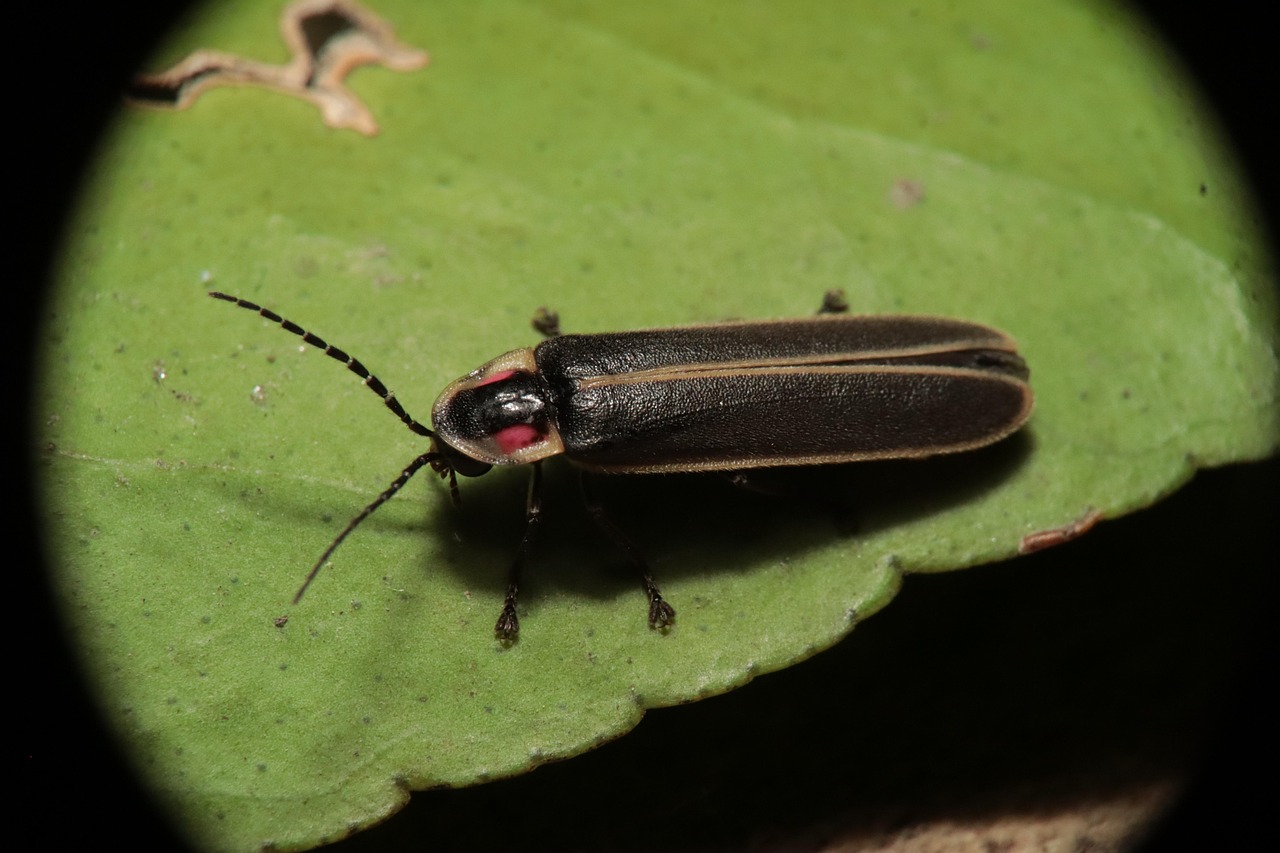
Fireflies are not actually flies but beetles belonging to the family Lampyridae, a diverse group that includes more than 2,000 described species worldwide. In North America, familiar species include the common eastern firefly, Photinus pyralis, sometimes called the Big Dipper firefly because of the characteristic J-shaped flight of the displaying male; Photinus marginellus; Photuris versicolor and related Photuris species, sometimes called “femme fatale” fireflies because females can mimic the flashes of other species; and the remarkable synchronous firefly Photinus carolinus, whose coordinated displays can transform entire forest landscapes into pulsating fields of light.
Their light is among nature’s most efficient forms of illumination. Inside specialized organs in the abdomen, a biochemical reaction involving luciferin, the enzyme luciferase, oxygen, and cellular energy in the form of ATP produces what we experience as a yellow, green, or amber flash. Almost none of the energy is wasted as heat, which is why firefly bioluminescence is often described as “cold light.”
But the flash is more than beautiful. It is communication.
Each species has evolved its own patterns of flashes and pauses. Males fly through the darkness broadcasting luminous courtship signals; females, often waiting on vegetation below, respond with flashes of their own. What appears to us as a field sparkling randomly is, in fact, an intricate conversation—a language of light refined over millions of years.
And most of the firefly’s life takes place before we ever see that light.
Depending on the species and environmental conditions, fireflies can spend many months to roughly two years in their immature stages, much of that time as larvae living in or near the soil, leaf litter, and other moist habitats. The larvae are predators, feeding on small invertebrates such as snails, slugs, worms, and other soft-bodied organisms. They need moisture, shelter, leaf litter, and functioning soil ecosystems.
That makes what happens on the ground enormously important to what we eventually see in the sky.
A lawn that is repeatedly cut very short offers a profoundly different habitat from one containing tall grasses, fallen leaves, native plants, decomposing vegetation, and undisturbed patches of soil. By allowing areas of my field to remain unmown and encouraging native vegetation, I have tried to create a landscape in which insects can complete their life cycles rather than merely pass through.
Dead stems remain. Leaves decompose. Organic matter returns to the soil. Moisture is retained beneath vegetation. Native plants provide structure, shelter, nectar, and habitat for an enormous community of organisms above and below ground.
The fireflies are one luminous indication that this community is functioning.
Adult life is comparatively brief, often only a few weeks. In many flashing species, adults feed little or not at all, although some consume nectar or pollen. Their urgent biological purpose is reproduction. They emerge, signal, find one another, mate, and females lay eggs in moist soil, leaf litter, or vegetation. A new generation begins, largely hidden from us.
Knowing this makes the evening display seem even more precious. These lights represent lives that have been developing quietly beneath and among the plants long before summer arrives.
Helping insects, including fireflies, has been one of my goals as I change how I care for this land. There is enormous pleasure in seeing evidence that conservation practiced at the scale of one’s own yard or field can matter. We often think of biodiversity conservation as something that must happen in distant forests, enormous preserves, or national parks. Those places are essential, but habitat also exists immediately outside our doors.
A patch of unmown grass can matter. A layer of autumn leaves can matter. Native plants can matter. Avoiding pesticides can matter. Allowing darkness to return at night can matter.
Fireflies face multiple pressures, including habitat loss and degradation, pesticide exposure, artificial light at night, and changing environmental conditions. Artificial nighttime lighting is particularly poignant because it interferes with the very language fireflies depend upon. Their evolutionary conversation was written for darkness.
That is why seeing so many of them this year feels significant.
On warm, moist evenings, I stand at the edge of the field and watch hundreds of small lights appear among the grasses. Above them are the Moon, planets, and stars; below them is another universe of illumination, created by living creatures only centimeters long.
For a few weeks each summer, Earth seems to answer the heavens.
The stars shine through nuclear fusion billions of miles away. The fireflies shine through biochemistry within their own bodies. One light reaches us across astronomical distances; the other rises from the soil beneath our feet.
And between them, we stand in the darkness, able to witness both. All life we know lives in this atmosphere of the blue continuum.
Perhaps this is one of the greatest rewards of ecological restoration: not simply that we save individual species, but that we make room for ancient relationships to begin functioning again. Soil, moisture, plants, insects, darkness, and seasonal rhythms come back into conversation with one another.
The fireflies remind me that successful conservation does not always announce itself loudly.
Sometimes, it simply lights up the field.
Gayil Nalls, PhD,
is an interdisciplinary artist and theorist and the founder of the World Sensorium / Conservancy.
Plantings
Issue 63 – September 2026
Also in this issue:

Christophe Laudamiel: Planted Memory, Cultivated Ethics, and More Blossoming for Perfumery
By Gayil Nalls

When Flowers Keep Time: How Circadian Rhythms Shape the World of Scent
By Gayil Nalls
Ancient forests took 100,000 years to recover from the last global warming period similar to today – Wyoming fossils reveal what happened
By Regan E. Dunn
A Calendar of Smells
By John Steele
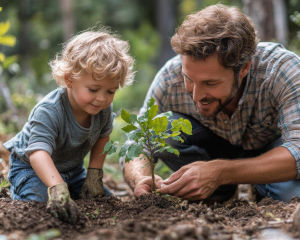
How to Nurture Plants and Your Kid’s Curiosity
By WS/C
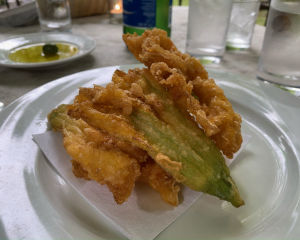
Eat More Plants Recipes:
Fried Zucchini Blossoms: A Roman Celebration of Cucina Povera
By Alexandru Kovacs
Continue the Journey with Blue Continuum
If this exploration of fireflies, bioluminescence, and the living Earth speaks to you, we invite you to discover Blue Continuum, a new magazine devoted to the extraordinary continuum of life that extends from the depths of the ocean through the landscapes we inhabit and into the atmosphere above us.
As this article reminds us, all known life exists within this remarkable blue continuum—a thin, interconnected realm where water, air, soil, plants, animals, climate, and human culture are inseparable.
If you like this article, you’ll love Blue Continuum.
Explore stories, ideas, discoveries, and perspectives that reveal our planet not as a collection of separate environments, but as one dynamic, living system—and reconsider what it means to belong to a living Earth.
Blue Continuum launches September 17th. Read more about it at bluecontinuummag.com
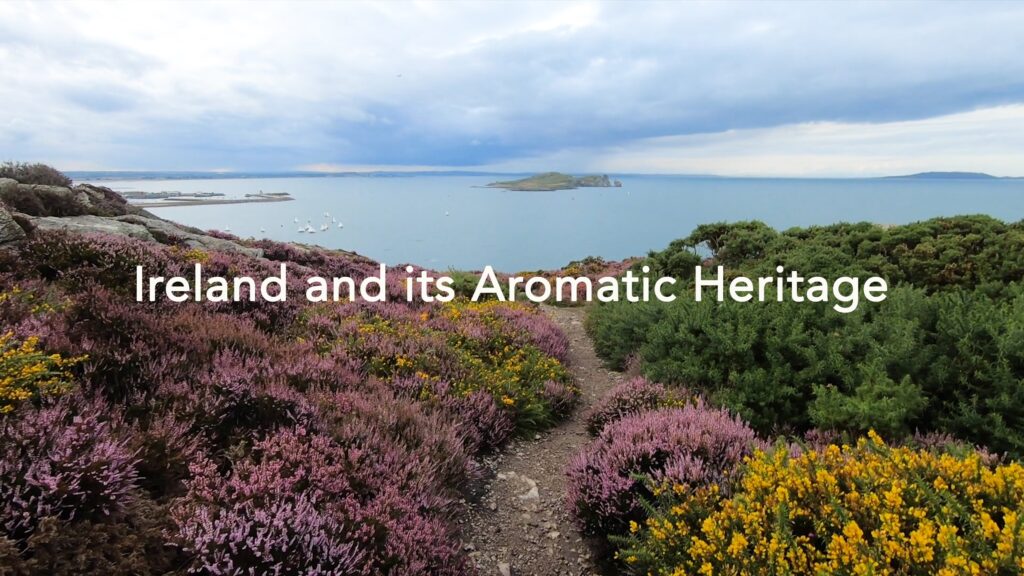
As Ireland transitions from the rich, smoky scent of peat-burning to a more sustainable future, its olfactory heritage is evolving. What will become the next iconic aromatic symbol of Ireland?
Click to watch the documentary trailer.
As Ireland transitions from the rich, smoky scent of peat-burning to a more sustainable future, its olfactory heritage is evolving. What will become the next iconic aromatic symbol of Ireland?