

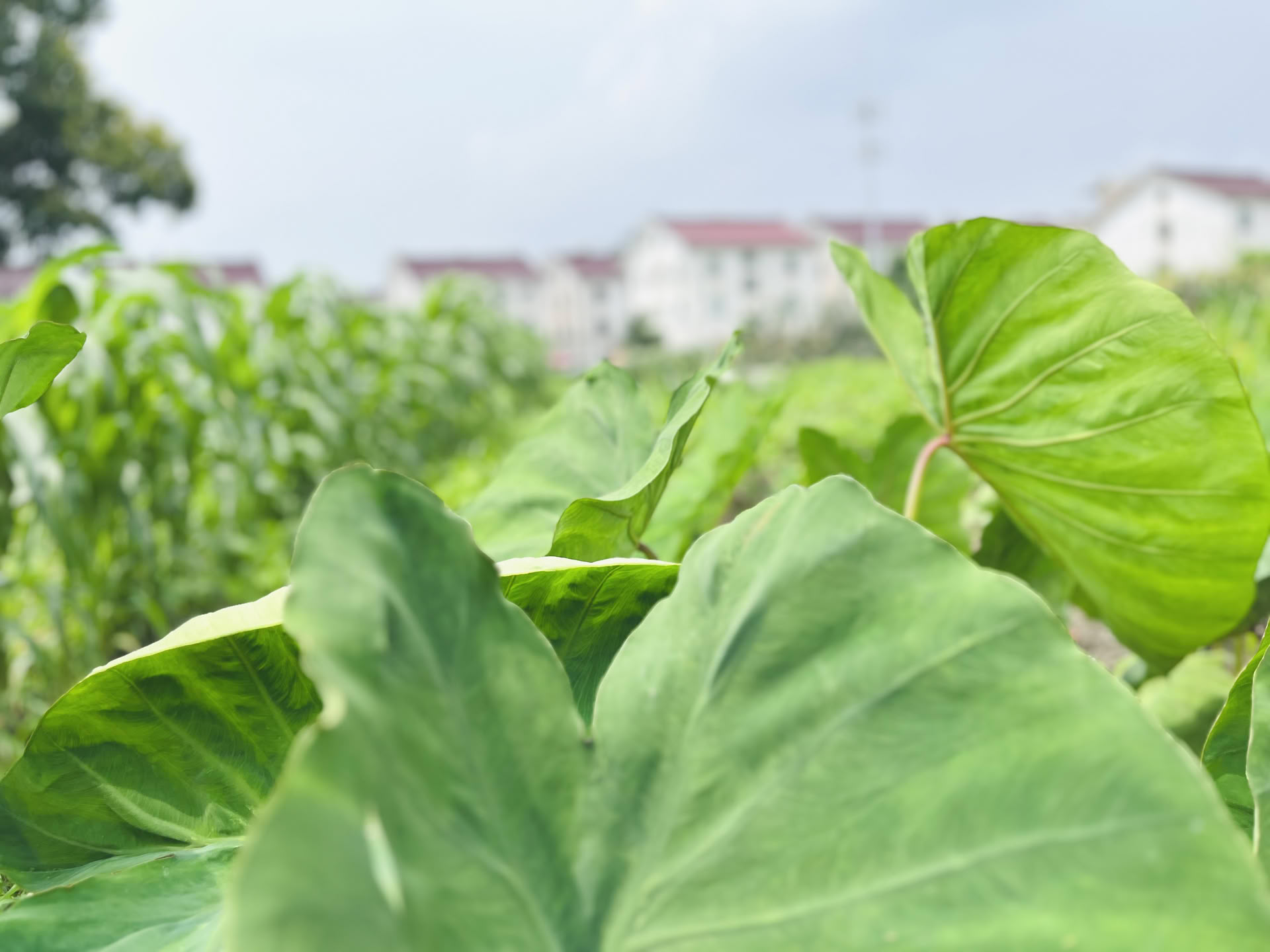
Tubers. Willow Gatewood
What a Village Knows That a City’s Forgotten
Encountering abundance in the Yangtze Delta
By Willow Gatewood
Sign up for our monthly newsletter!
Dawn draws me out onto rain-scented streets, and I find myself meandering off paths along a small stream bursting with water lilies, marsh reeds, and glittering fish flashing like aquarium glass. This stream is one of thousands feeding China’s Yangtze River Delta and creates an island of the nearest neighborhood. Smaller streams finger into town — I snake along one’s bank, back to the main road buzzing with people.
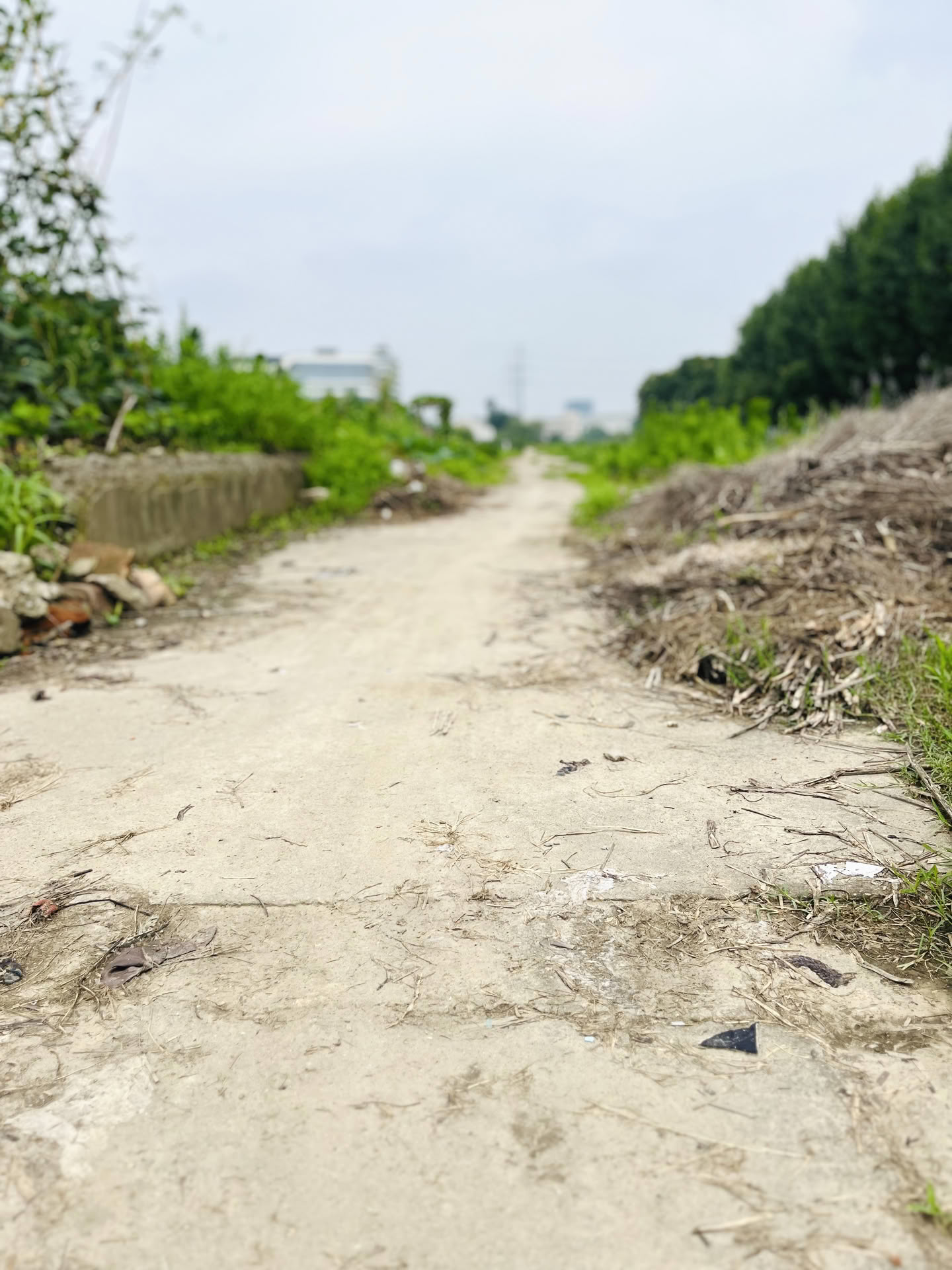
This area hosts a conglomeration of textile workshops where folks toil to create dazzling goods they’ll never wear. While fellow faculty call the town “The Village”, I learn from a resident it is called the Yanli Old Town, an apparel manufacturing hub nestled within the county-level city Changshu, Suzhou, Jiangsu province. Changshu itself is widely recognized nationally as a center for textile manufacturing, distribution, and trade: a city “Clothing the World” according to Google, and I wonder how the phrase sits in reality.
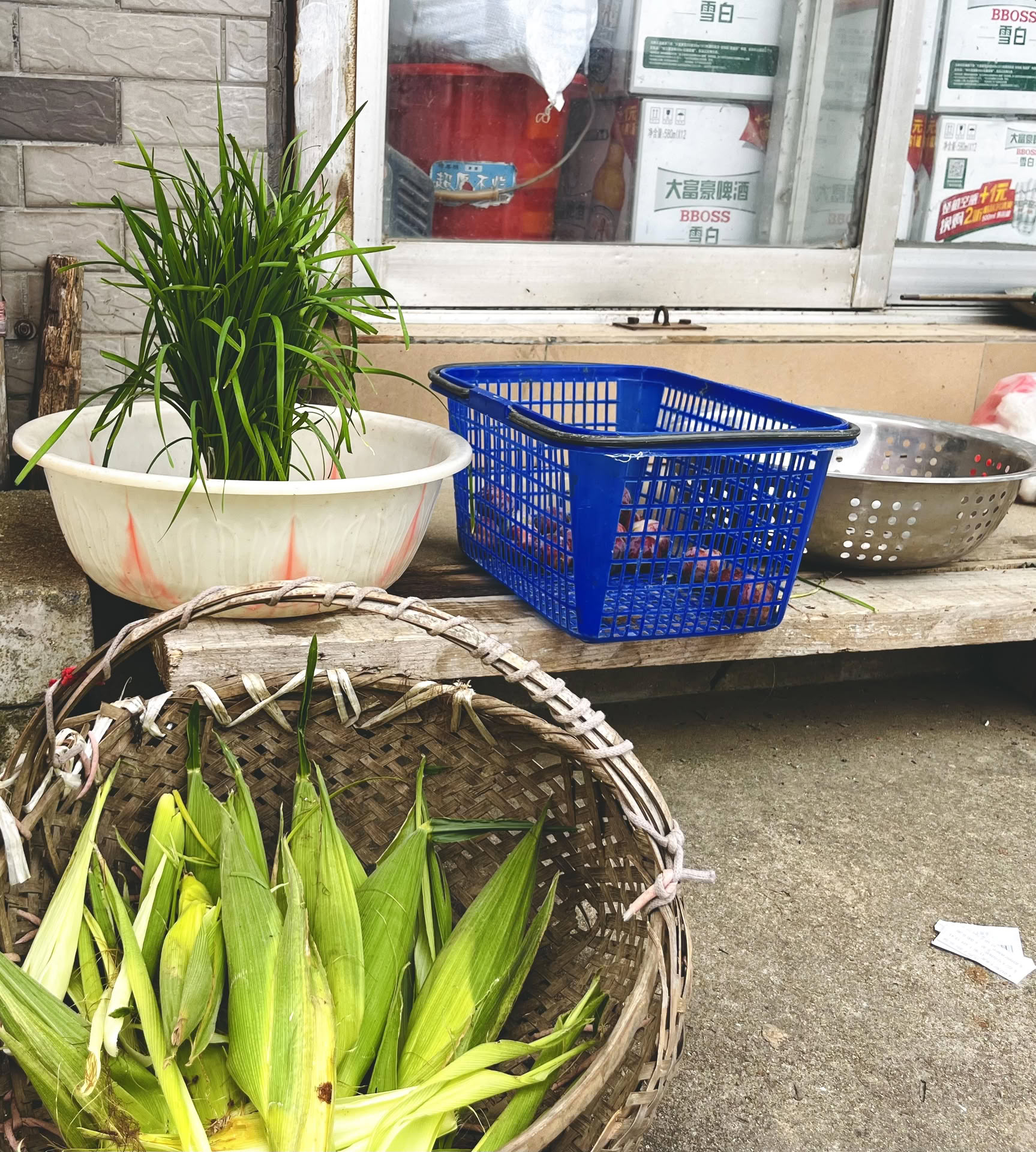
Sheepish, I stop by an open door and say hello to the older women snipping silk-rayon into what looks like t-shirt shape to ask for directions, a guise to peer in their workshop. Fresh leeks and a pot of something that smells delightfully earthy steams at a countertop. They find my idiocy amusing and invite me to linger, but return to work laughing among themselves and chattering so fast I could only wish for glimmers of understanding. I laugh with them, and their eyes light up. They snip. Pile. Snip. Pile. Sewing happens someplace else. Fabric flutters, and they trace memorized lines over royal blue material. I run fingers along the rim of my shirt, a hand-me-down sporting an Old Navy tag, and wonder if its passed through similar hands.
Eventually they begin to serve breakfast and I take the cue to drift away. The leek’s scent follows me and I relish its fresh pungency.
This community’s heart lies wrapped within the arms of some of the most impressive gardens I’ve ever seen. Food forests with fingers reaching out to the lake and streams that feed it. Spicy native watercress shelters young fish and provides snacks for children who splash along the banks. Squashes, corn, and beans mingle with native motherworts and marsh plants. They harvest both — lines between cultivated and wild are blurred here.
Butterflies dance over winter melon blossoms, spilling into open windows and over walls that buzz with sewing machine hum.
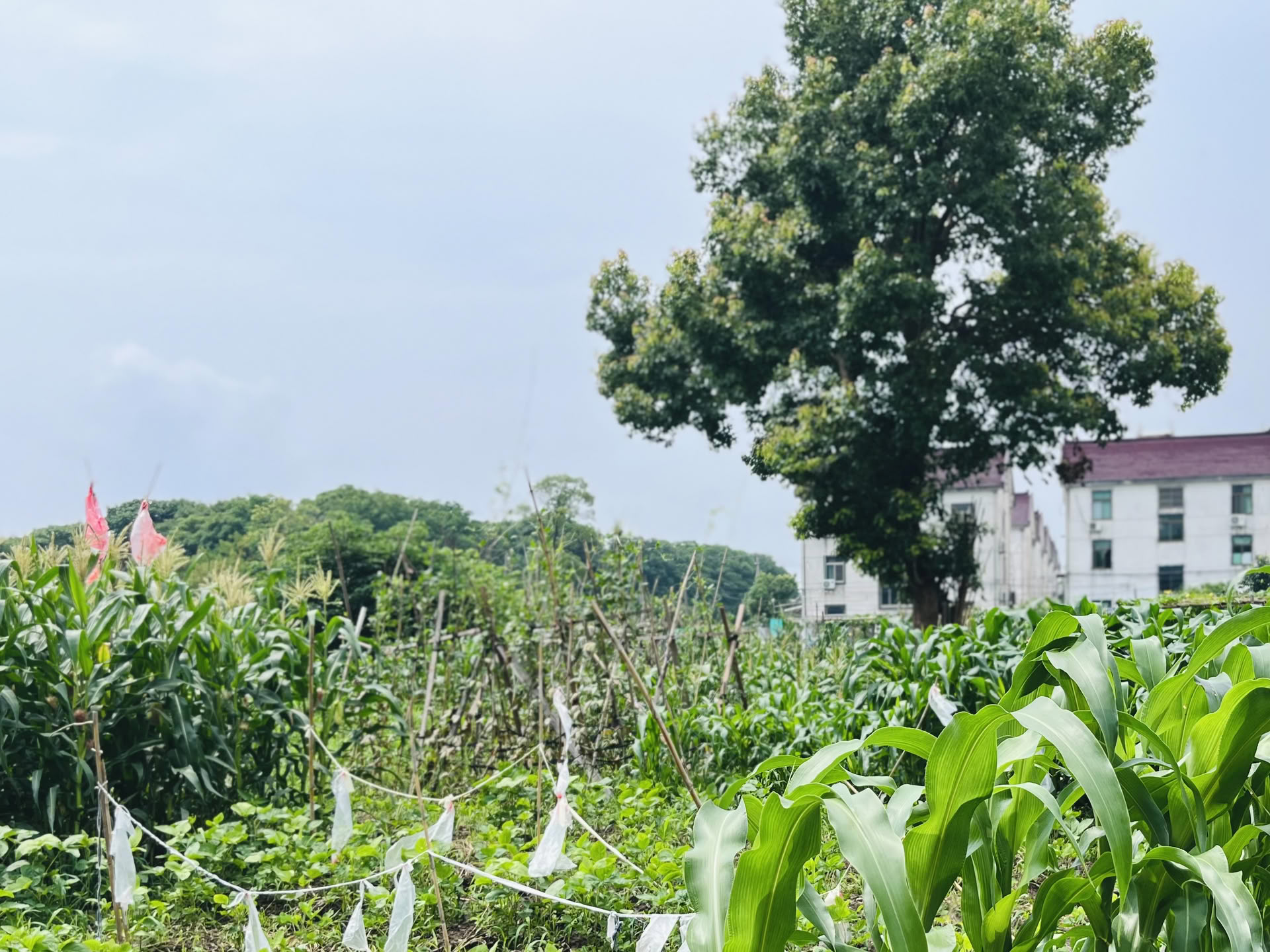
I’ve searched for Yanli online and found little in English. It makes one wonder, how many other places like this exist, hidden to those who do not experience it directly?
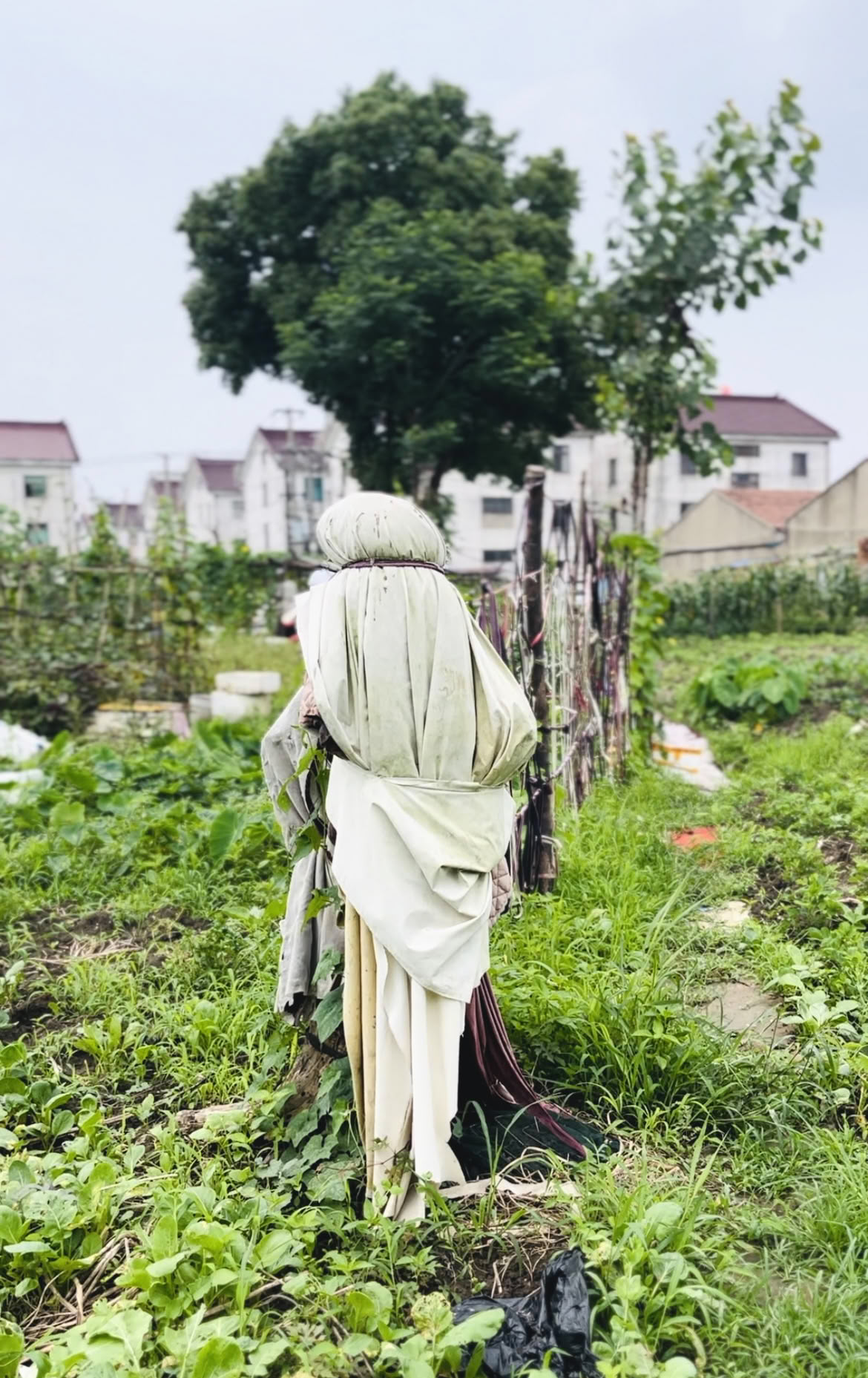
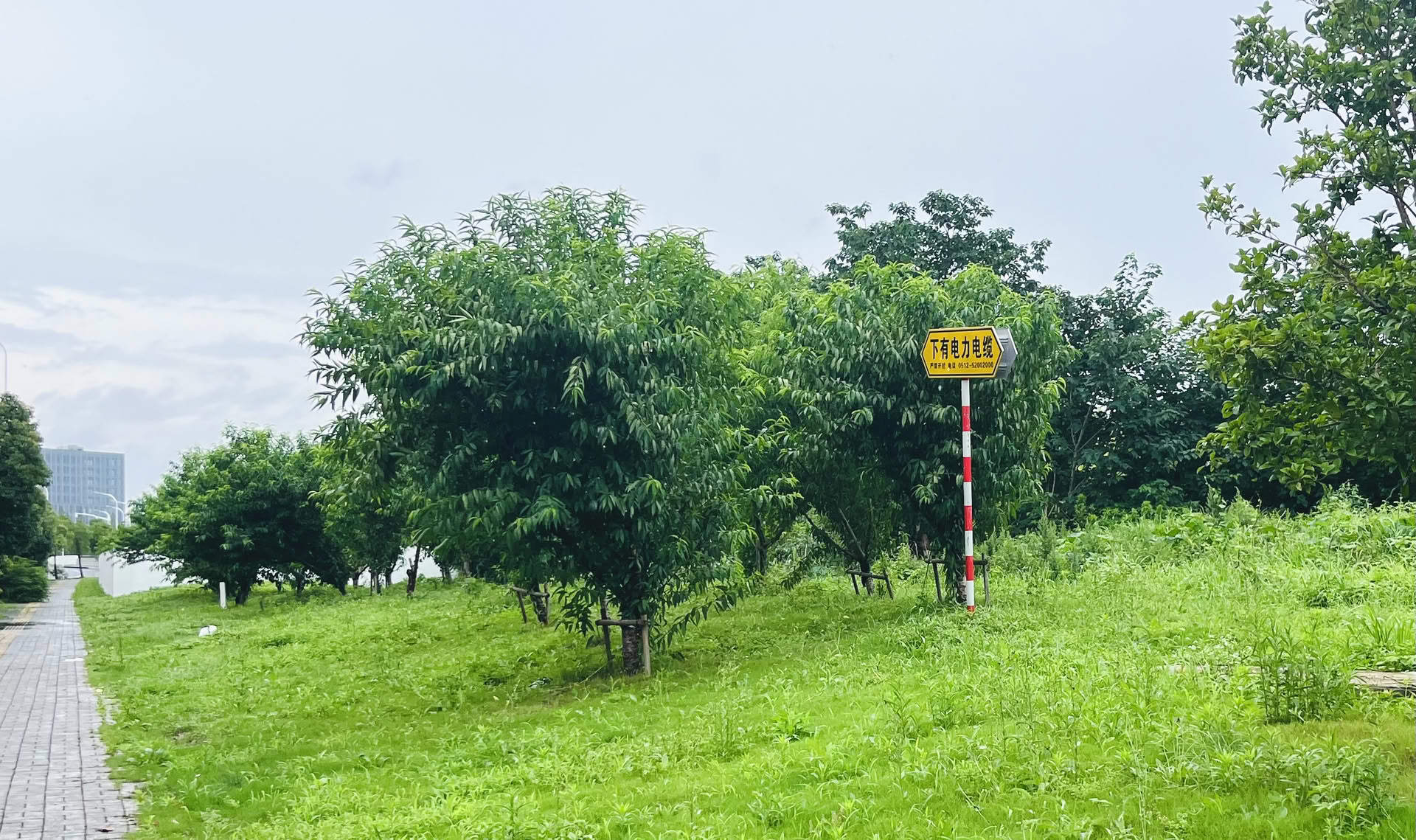
Here, food is everywhere. Plants scaffold the city, protection against flooding, heat and storms. Persimmon trees shade sidewalks. Abundance doesn’t end where rural paths transform into roadways humming with clangorous trucks, urban traffic, and billboards that flash neon adverts for the latest bubble tea flavors. Boxes and pots burst with tomatoes, eggplant, and melon outside convenience stops and clothing malls.
There’s much cities in the US could learn from such a small community. I think back to my own hometown, where boxish concrete marts dominate roadsides in place of meadows or orchards. A group of older folk pluck yangmei, also know as bayberries, as I walk and an explosion of tropical pear-scent fills me. I snag a snack.
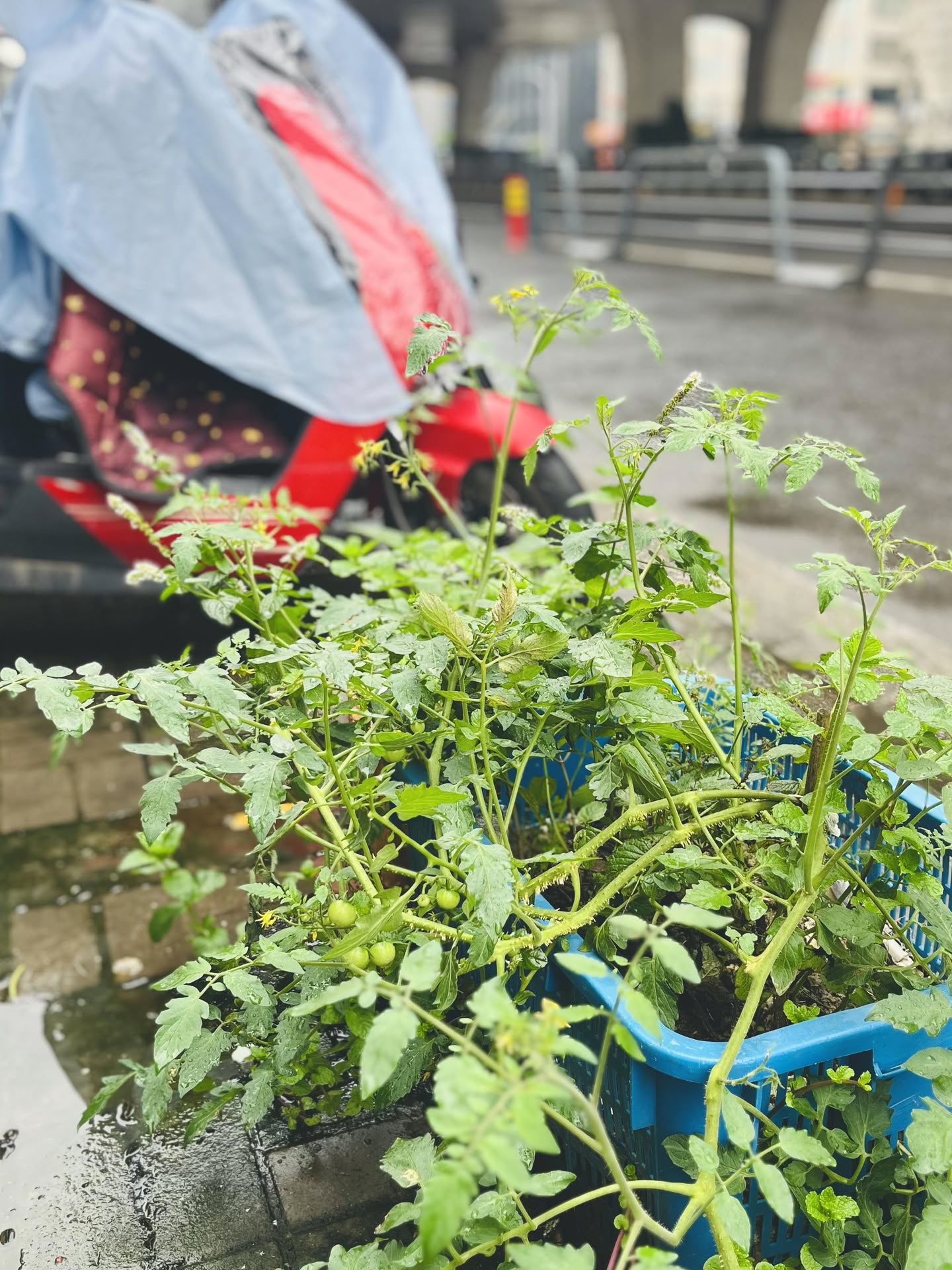
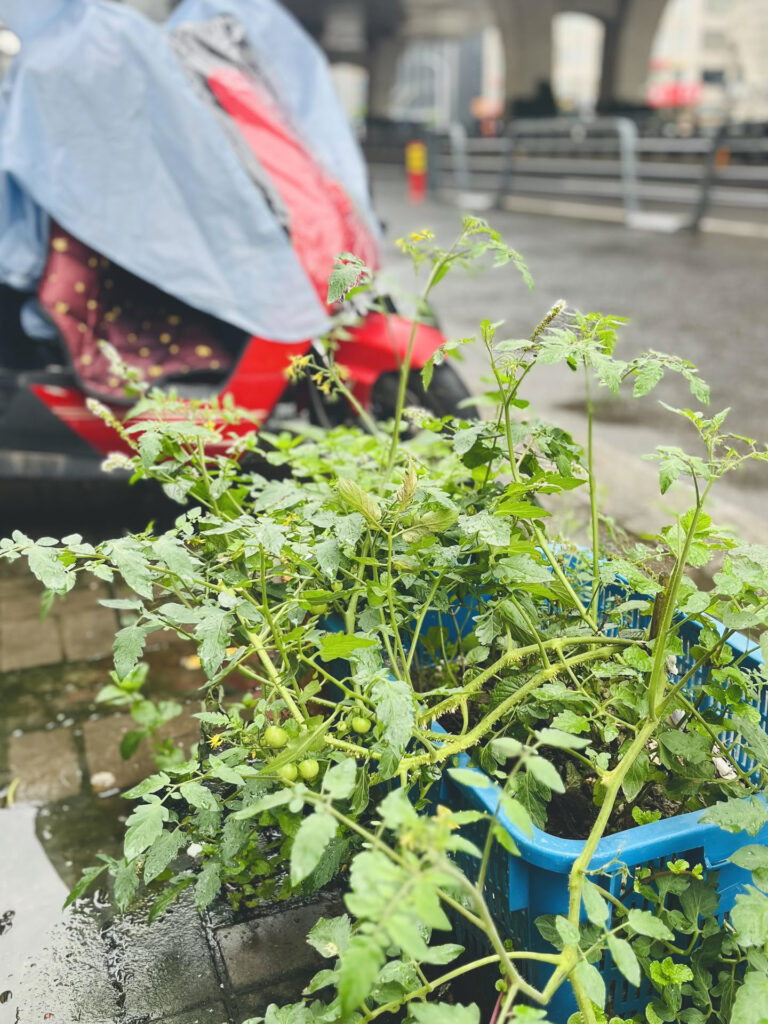
How does a place become this generous with food? The Brooklyn neighborhoods where I live are lined with inedible, often poisonous flowers in elevated concrete blocks or crammed into sidewalk gaps. Beautiful, yet curiously distant. Across New York City, millions live with low access to nutritious food. In the Bronx alone, arguable one of the city’s most vulnerable boroughs, 22.6% of residents are food insecure (NYC Boroughs hunger & poverty fast facts FY2026_Q1, n.d.). Overall, 2025 data collected by the Federal Government shows that over 42 million Americans live in “”low access” food environments”; in other words, food deserts, an apt name for locations where at least 33 percent of the population live without access to nearby supermarkets, fresh food, and often live in poverty so are unable to traverse the distance to find — let alone afford — foods at popular grocery chains. Rates of obesity, heart disease, and chronic illness skyrocket (Mercer, C., 2026 June 10). Like a desert thirsts for water that it smells deep underground or above locked in clouds, food deserts starve for nutrition, just out of reach.
These areas bullet-hole my childhood hometown in Southern Virginia; I remember trailer parks where the closest “store” was a gas station shelved with Gatorade, Lays, and — if you’re lucky — granola bars. Eventually, a Dollar General sprung up, widening the selection for those with access to a car. For folks in the trailer parks and neighborhoods around my hometown, fresh produce means growing it yourself, a skill often lost to newer generations. While local farmer’s markets exist, many are inaccessible due to travel time or are cost-prohibitive: it’s easier and more satiating to buy a $5.00 McDonald’s meal deal after a long day’s work than prep the meager fresh salad $5.00 can buy of local produce.
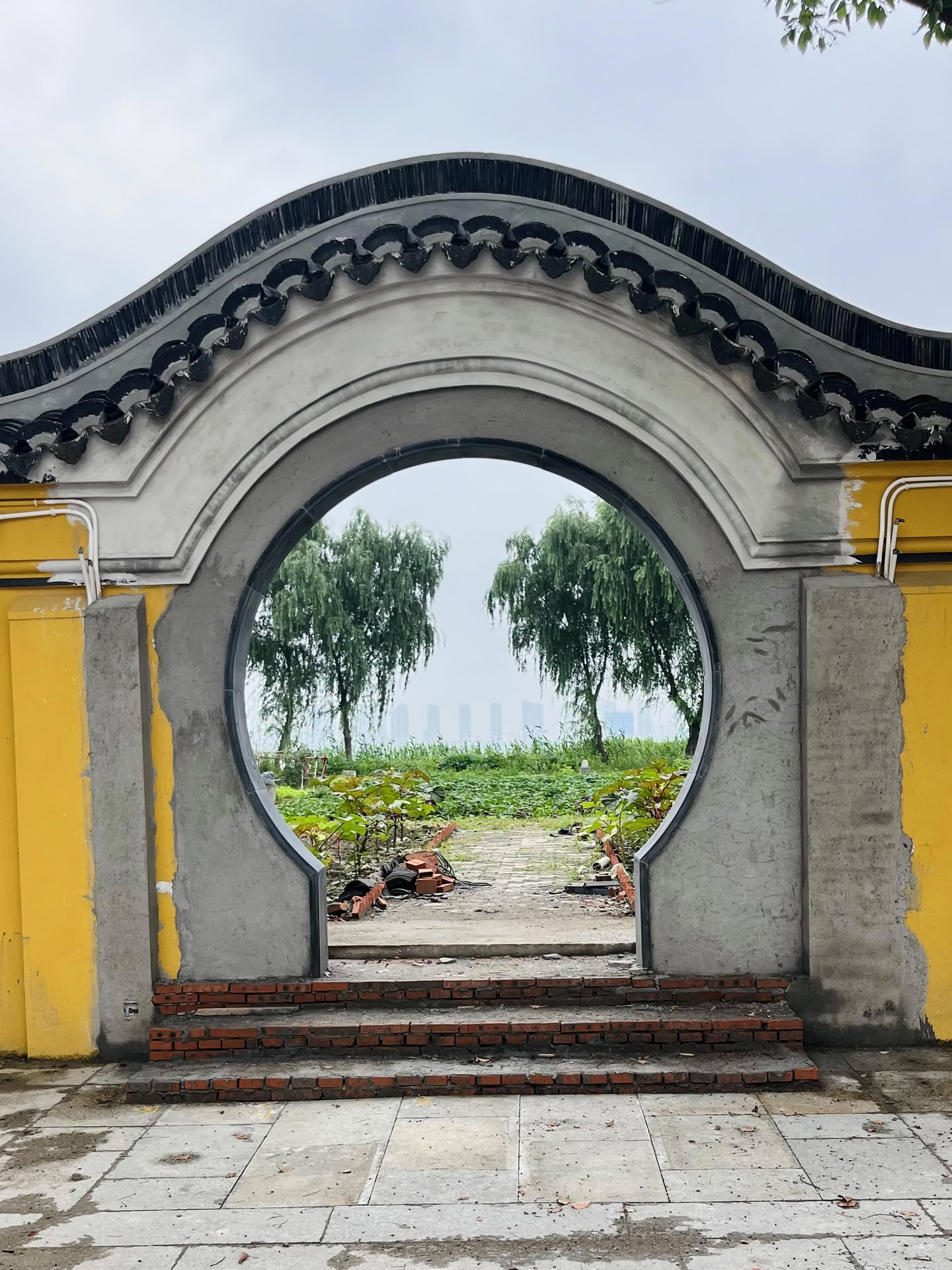
The rural South is covered in once fertile land now bleached by tobacco cultivation and destructive farming practices. Has Yanli always existed this way, with ecological reciprocity, or is it a revitalization, a return still absent in many rural communities across the US? We’ve forgotten the land — and how to find ourselves within it again. Yanli makes me ask: is it too late to remember?
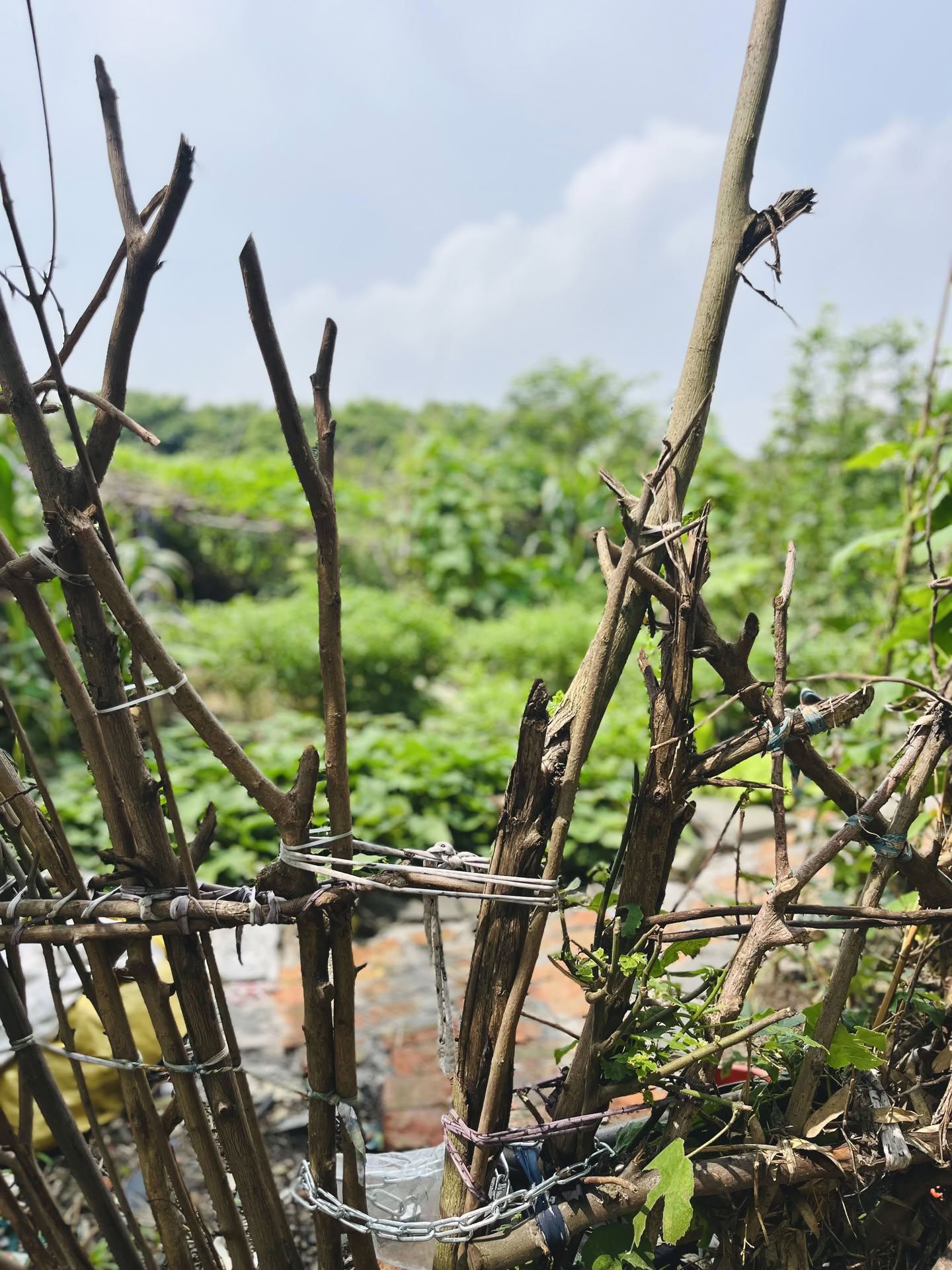
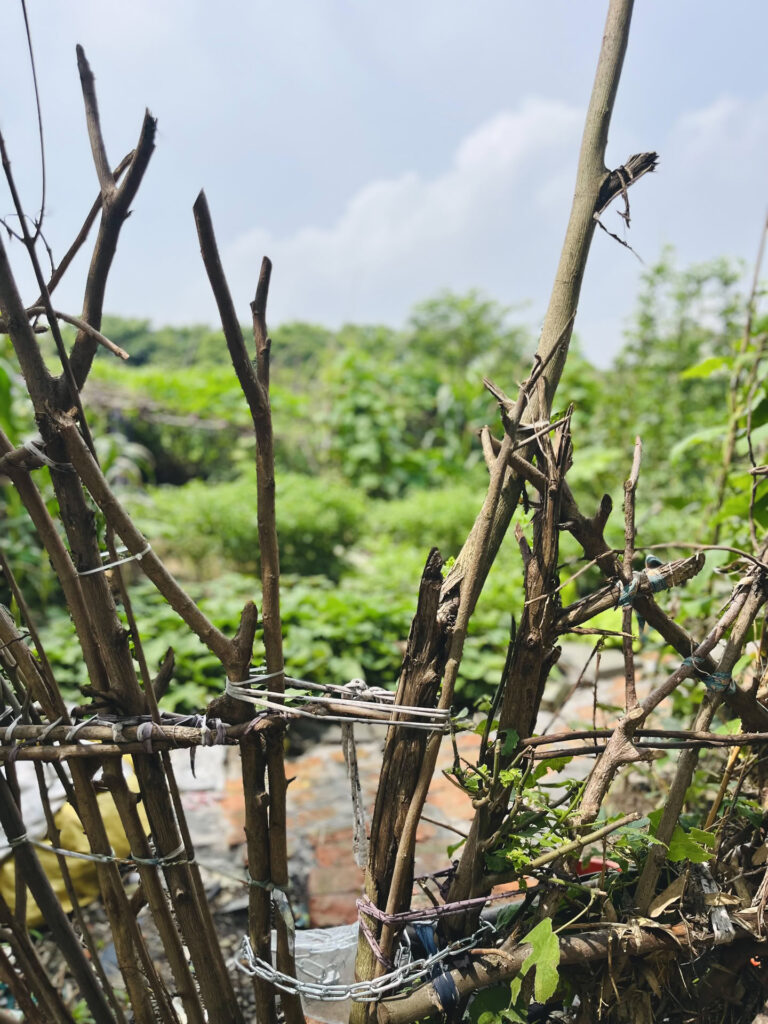
At the school, my colleagues are surprised by my excitement and wonder over The Village’s ecological design and abundance — systems similar to those taught in my Environment and Sustainability Undergrad program and praised for innovation, I explain. Although considered unconventional in the US, I learn it is common here for rural towns, often even the most impoverished areas, to cultivate landscapes owned by the government but held in-trust for the people, similar to US public lands and parks. A local colleague also says that while the name Changshu has no direct English translation she is aware of, the characters, 常熟, roughly mean “always, often” and “ripe, familiar“. Another colleague suggests “eternal harvest” as a fitting name.
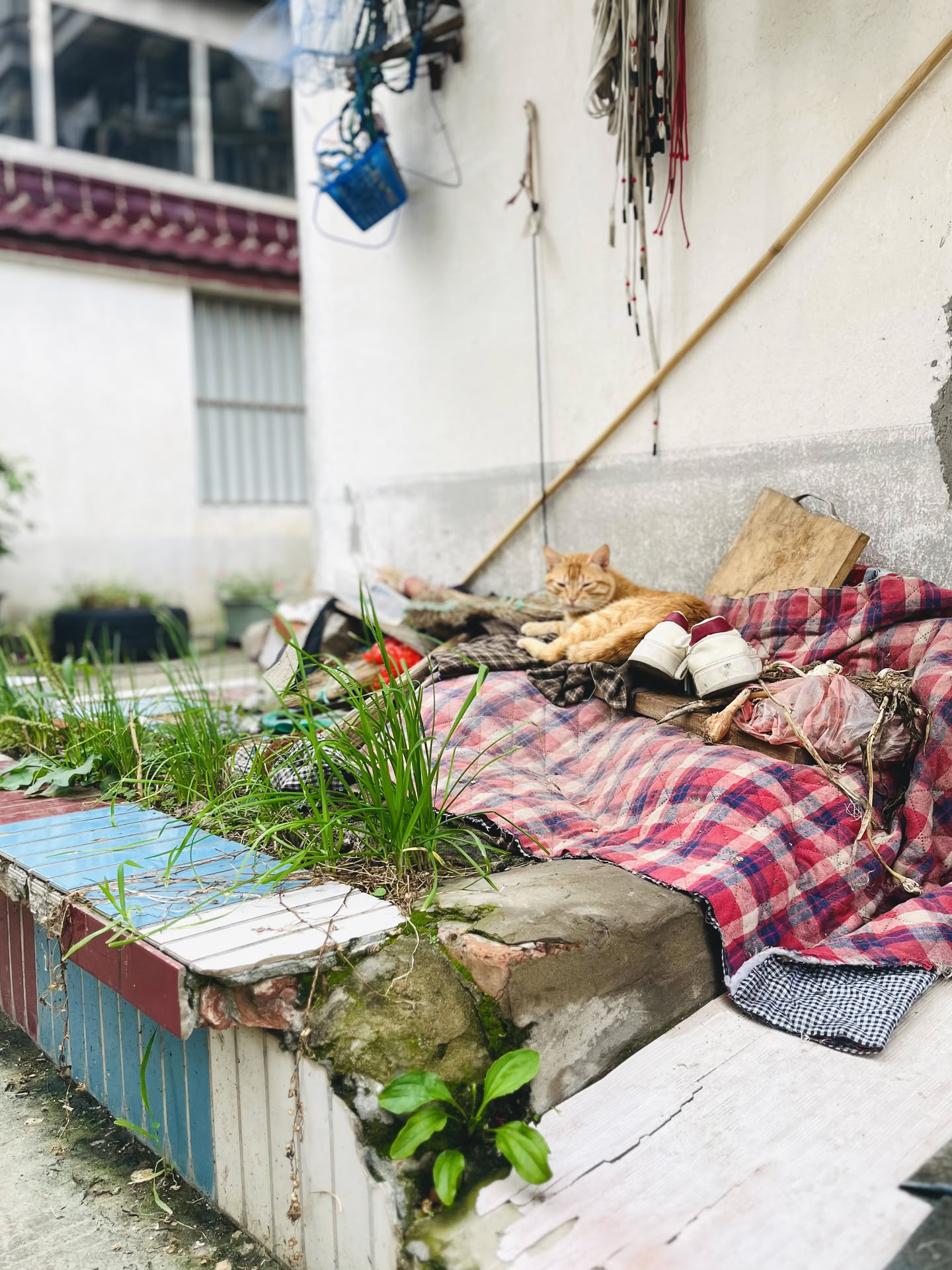
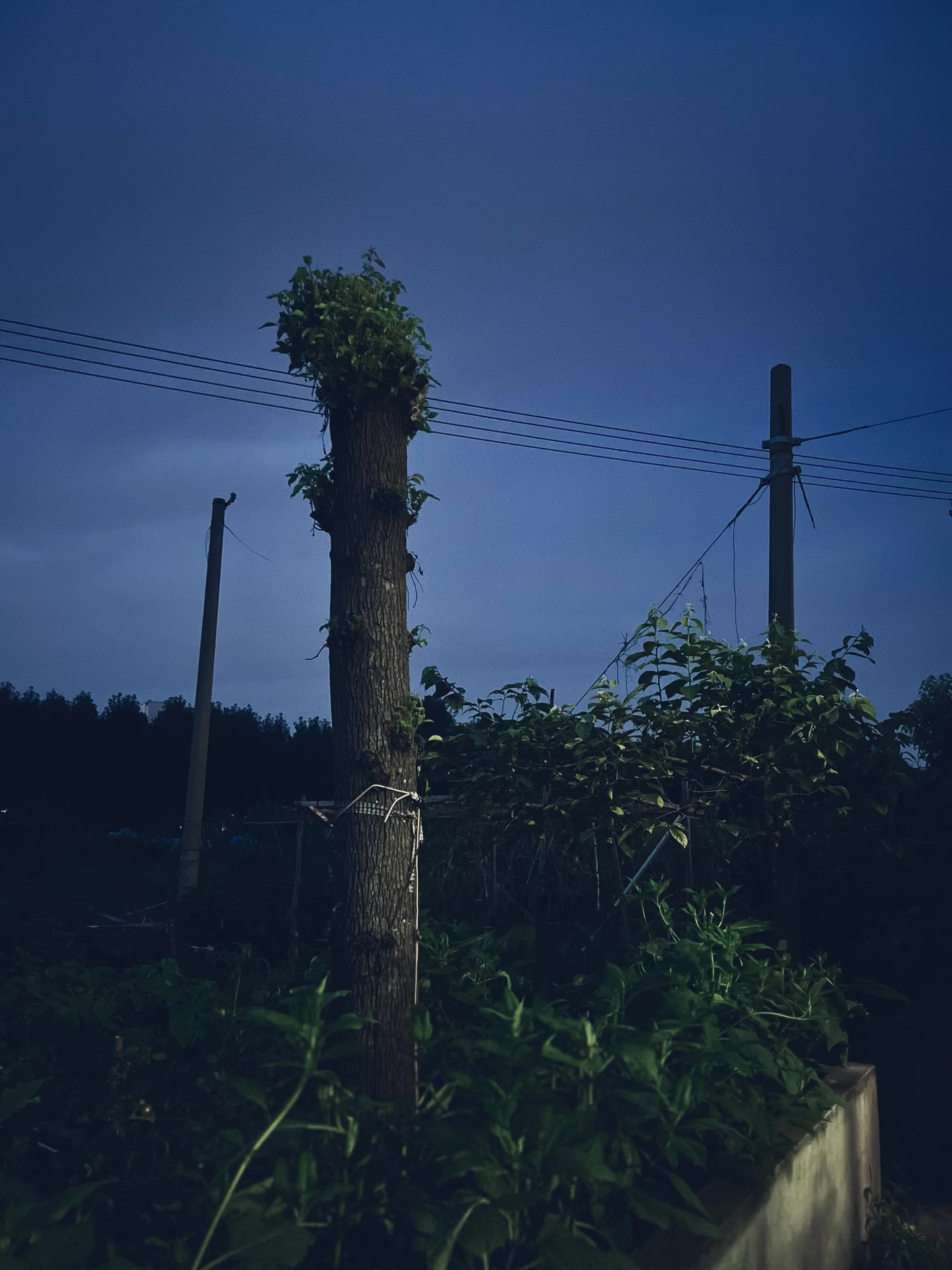
I enter Yanli again as the sky blushes a bruised dark blue. Streets are awake, perhaps even more so than during the day with motorbikes, couples strolling, and children playing with rabbits. Gardens dance with light, folks harvesting in evening cool. I walk by workshops. It’s nearly 8:00 pm — people still work over silks and machines with tense brows. Too, do families and neighbors gather around outdoor tables passing fresh vegetables and steaming rice, meats and colorful stews. I look forward to embedding myself here, becoming familiar with both the language and the rhythms of this place surrounded by green. I head back through evening gardens, pluck another bayberry, and realize I’m already learning — not from words, but from the way this place holds its people close.
Butterflies over stream side motherwort and squash. Motherwort, a traditional herb used in soups and as teas, blesses the entire town with it’s musty-sweet perfume.Willow Gatewood
Willow Gatewood is an environmental scientist, interdisciplinary artist, and storyteller from Brooklyn, NY. Follow her on Instagram: @willowg_music
References
NYC Boroughs hunger & poverty fast facts FY2026_Q1. (n.d.). Food Bank NYC. https://foodbanknyc.github.io/borofastfacts_2.pdf
Mercer, C. (2026, June 10). Food Deserts Are Making Millions of Americans Sicker — And New Data Shows the Problem Is Getting Worse. Medical Daily. https://www.medicaldaily.com/food-deserts-2026-health-outcomes-usda-data-cities-475569
Plantings
Issue 62 – August 2026
Also in this issue:
David Shaw: Health for a Living Planet
By Gayil Nalls
Vertical Farming: Reimagining Agriculture in an Urban Age
By Gayil Nalls
Using Evolution to Better Your Neighborhood
By WS/C
Bioenergetic Landscapes: Rethinking Our Relationship with Trees
By Octavia Overholser and Gayil Nalls
The New Extractivism
By Nuri McBride
Eat More Plants Recipes:
Cold Veggie Peanut Noodles
By Ian Sleat
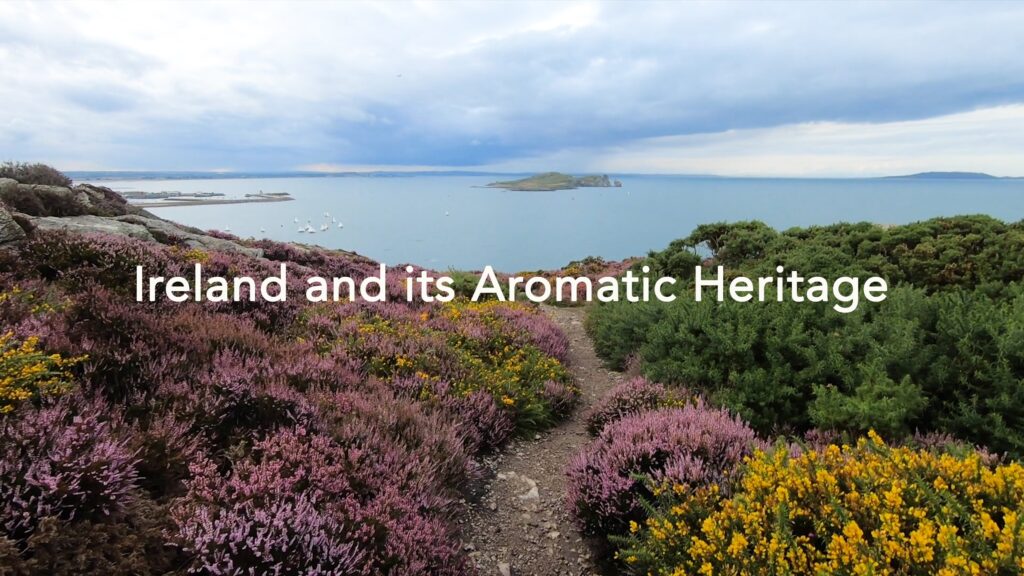
As Ireland transitions from the rich, smoky scent of peat-burning to a more sustainable future, its olfactory heritage is evolving. What will become the next iconic aromatic symbol of Ireland?
Click to watch the documentary trailer.
As Ireland transitions from the rich, smoky scent of peat-burning to a more sustainable future, its olfactory heritage is evolving. What will become the next iconic aromatic symbol of Ireland?