

A Corner on a Country Road
By John Steele
Sign up for our monthly newsletter!
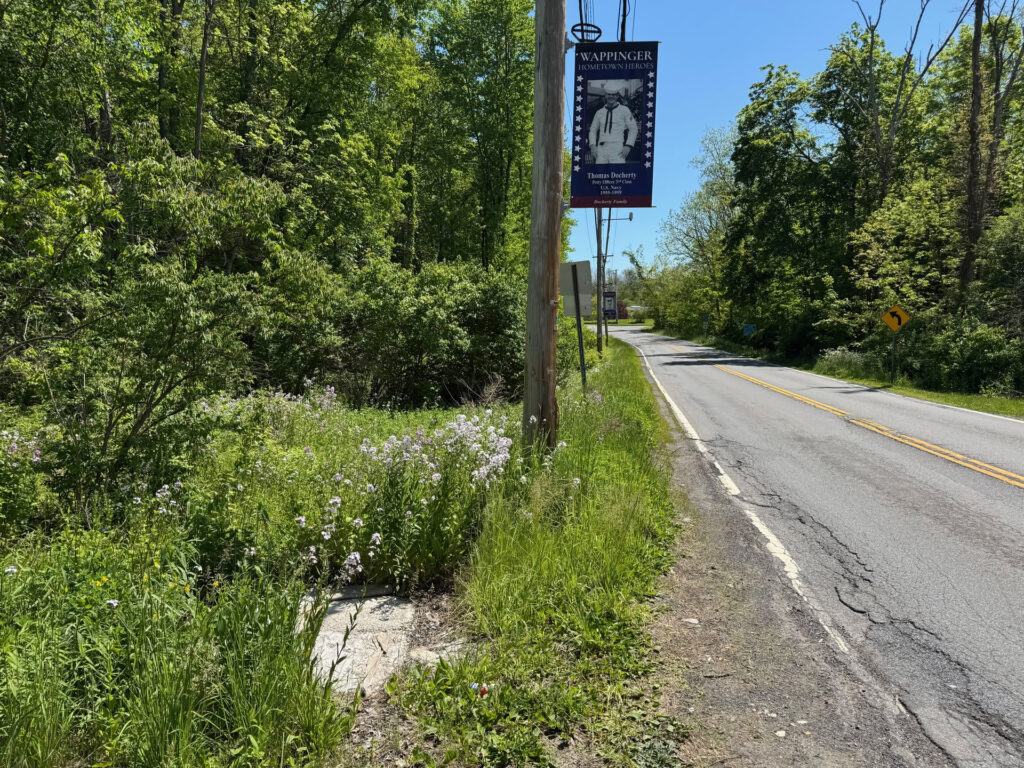
At first glance there is nothing remarkable about the corner where Middlebush Road meets South Avenue in Wappingers Falls. Cars pass through it with the unconscious indifference we reserve for places that exist only in transit. A narrow roadside shoulder. A scattering of litter caught in weeds. Trees leaning at odd angles as though they have grown without witness or care. It is the sort of place the eye edits out before the mind has even fully seen it.
And yet, in spring and early summer, I always find something extraordinary happening there.
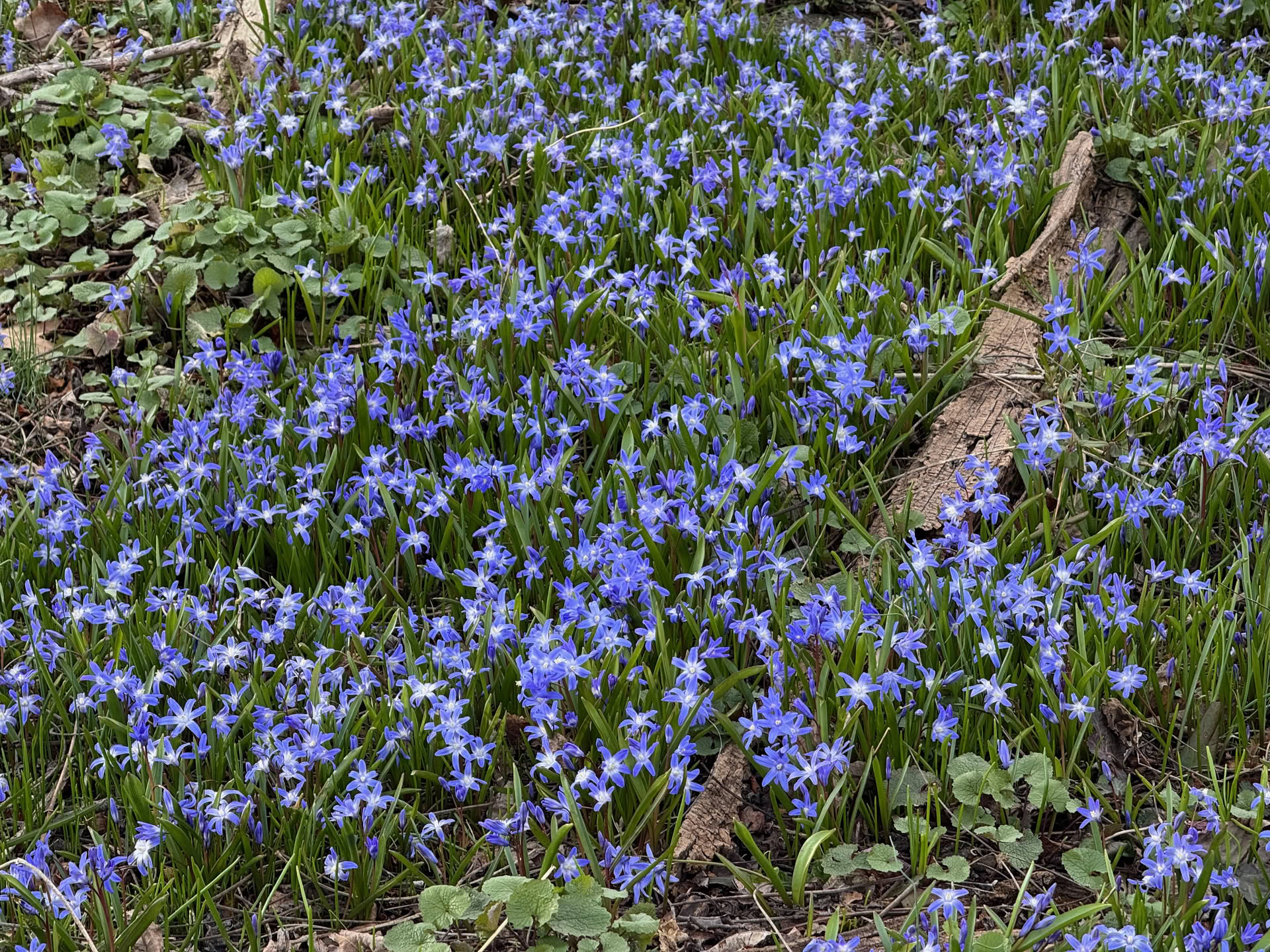
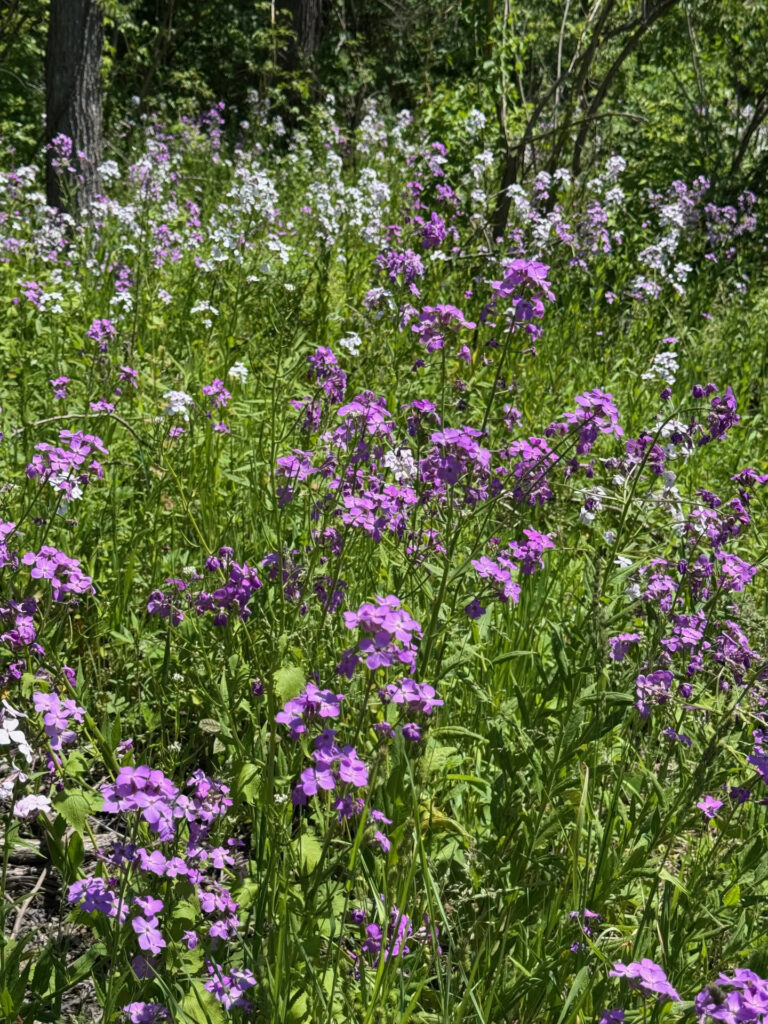
Beneath the tangle of brush and beside the debris of human neglect, flowers emerge with startling confidence. Glory-of-the-Snow blue stars spread across the ground like fragments of sky that have fallen into the undergrowth. Scarlet Oriental poppies open among the green with such intensity that it seems less a flower than an act of defiance. Purple and white Dame’s Rocket, a wild phlox, hover nearby, delicate as paper lanterns. Drivers slow almost involuntarily. For a brief moment the roadside ceases to be scenery and becomes revelation.
There is a peculiar joy in encountering beauty where one does not expect it. In gardens we anticipate beauty. In parks we seek it deliberately. We travel great distances to stand before mountains, oceans, cathedrals, museums. But the beauty that waits beside an ordinary road possesses another quality altogether because it arrives unannounced. It interrupts us. It ambushes the routine machinery of the day.
The philosopher Simone Weil once wrote that attention is the rarest and purest form of generosity. Modern life conspires against such attention. We move quickly through landscapes without inhabiting them. Roads become abstractions between destinations. We glance past utility poles, drainage ditches, abandoned lots, scrub trees, and chain-link fences because we have unconsciously categorized them as unworthy of contemplation. Our vision becomes hierarchical. We decide in advance what deserves to be seen.
And then a patch of wildflowers appears where it has no business appearing at all.
The shock is not simply aesthetic. It is moral. Nature reminds us that the world exceeds our categories.
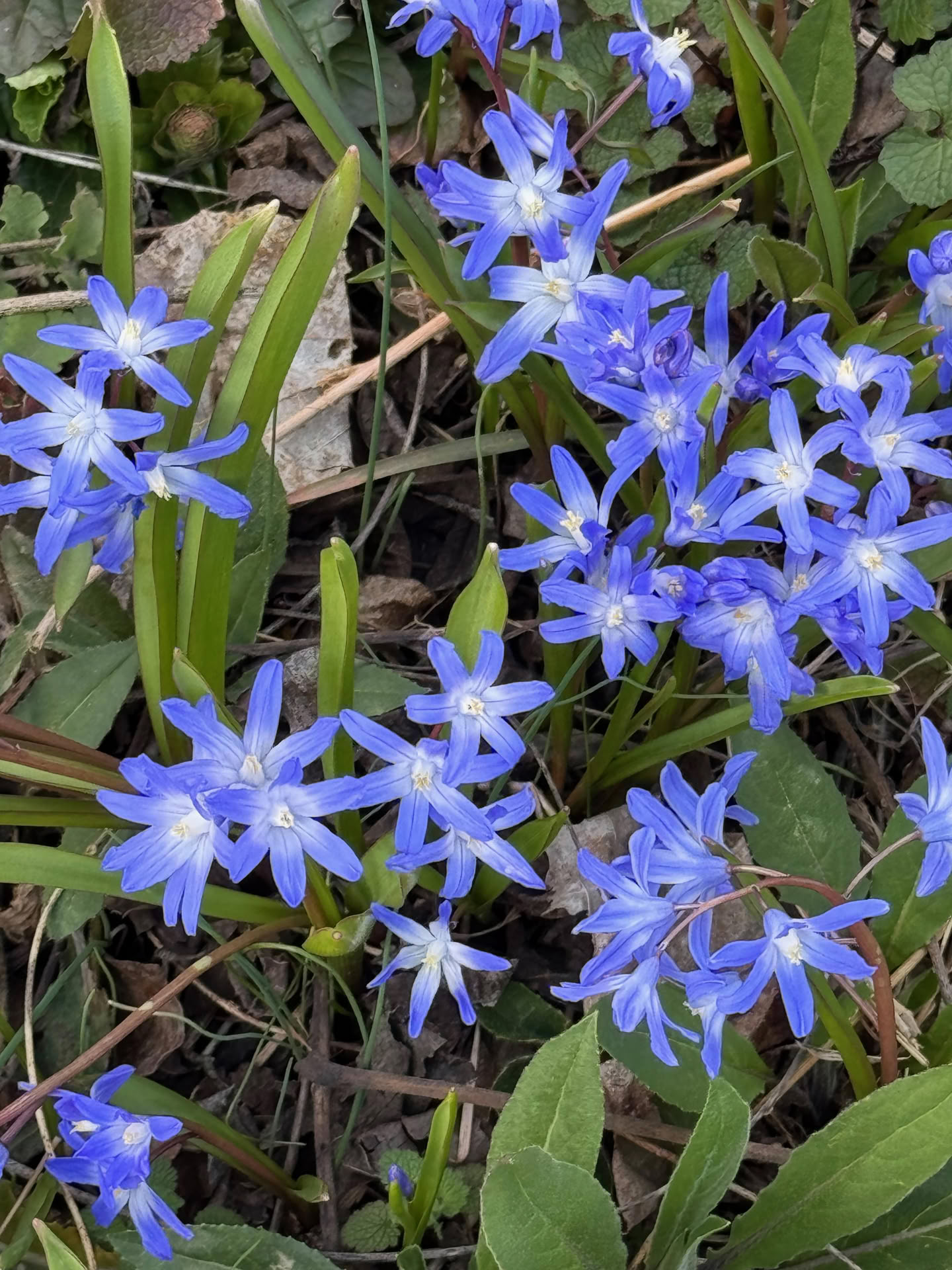
The blue flowers scattered beneath those roadside trees are tiny things, almost fragile enough to miss entirely. Yet together they create something immense. Seen from a distance they resemble a river of color flowing beneath bare branches and fallen logs. They transform neglect into enchantment. The ground itself seems to awaken. Looking at them, one senses how thin the membrane really is between decay and renewal.
A roadside is, after all, a strange ecological frontier. It is both damaged and alive. Dust from passing cars settles on leaves. Plastic bottles gather in ditches. Salt from winter storms poisons the soil. And yet seeds find purchase there. Bees arrive. Rain falls. Roots break through compacted earth. Life persists in the margins we have created.
There is something profoundly moving about that persistence.
The great naturalist John Burroughs often wrote not about wilderness untouched by humans but about the ordinary edges of life: birds in orchards, foxes in fields, flowers beside paths. He understood that wonder is not confined to remote landscapes. The miraculous frequently resides in the overlooked. Perhaps especially there. For what is resilience if not beauty appearing where conditions insist it should not?
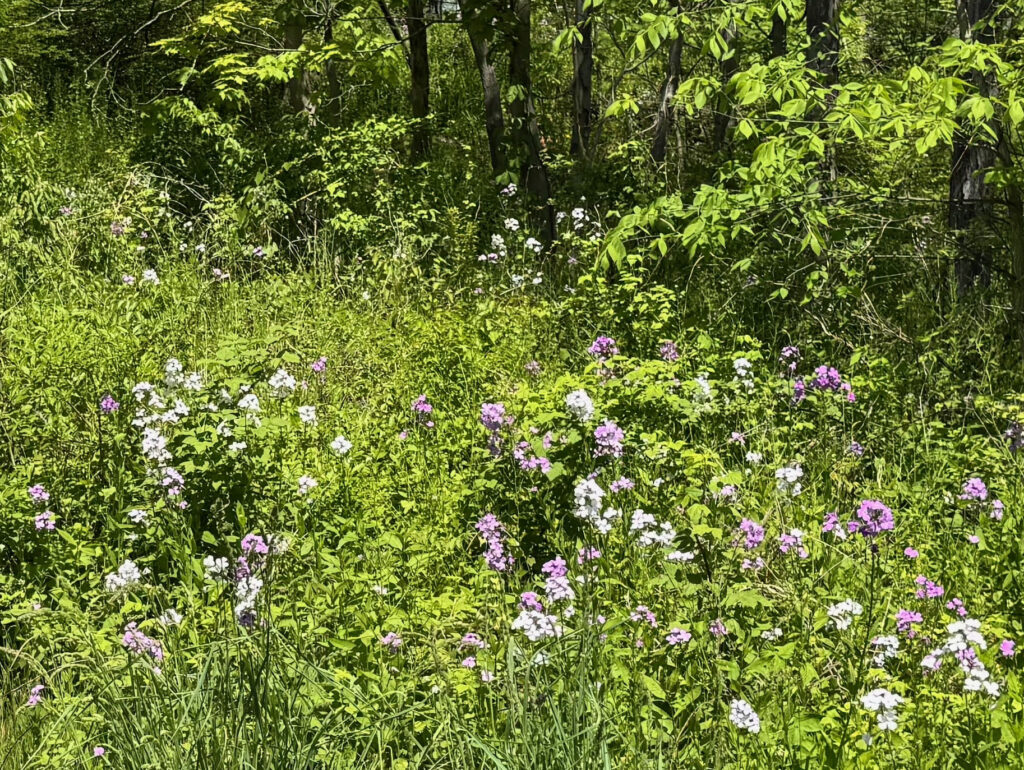
The roadside flowers in Wappingers Falls are not curated. No gardener kneels there at dawn tending them. No sign announces their presence. They bloom anonymously for whoever happens to notice. That anonymity gives them a democratic grace. They belong equally to everyone and no one. The hurried commuter glimpses them for three seconds at a red light. A child in the back seat stares through the window. A pedestrian pauses. An elderly driver remembers another spring decades earlier. The flowers ask nothing except to be seen.
And maybe that is why such moments linger in memory longer than grander spectacles.
The human spirit is oddly nourished by accidental beauty. We carry it away with us like a secret. A hawk circling above a gas station. Sunlight striking broken glass in a vacant lot. Queen Anne’s lace growing beside railroad tracks. These moments restore proportion to the world. They remind us that beauty is not manufactured solely by human intention. It erupts continuously from the living fabric of existence.
In an age increasingly engineered for efficiency and distraction, roadside beauty also performs another quiet act: it slows us down internally. Even if only for an instant, we step outside the utilitarian logic of the day. We stop measuring time by productivity and begin measuring it by perception. A flower accomplishes nothing in the economic sense. It does not optimize or monetize or accelerate. It simply exists with unnecessary splendor.
And that unnecessary splendor may be one of the deepest needs of the human soul.
Jacob Bronowski once wrote that humanity’s greatest achievement is not power but sensitivity—the ability to perceive nuance, pattern, relationship, meaning. To notice beauty beside a roadside is, in its own small way, an affirmation of that sensitivity. It is evidence that we have not entirely surrendered ourselves to numbness.
Because the tragedy of modern life is not merely environmental destruction. It is perceptual destruction. We cease to notice the world even before we destroy it. The flowers on that forgotten corner challenge this blindness. They insist that wonder remains available. Not somewhere far away, but here. Beside the road. Between tire noise and traffic lights. Beneath tangled branches and scattered trash.
There is also humility in such places. The flowers do not bloom for recognition. They bloom because blooming is what life does whenever conditions allow it. Nature possesses no cynicism about its surroundings. It does not refuse beauty because the setting is imperfect. An Oriental poppy unfolds with the same seriousness whether it grows in a palace garden or beside an abandoned fence.
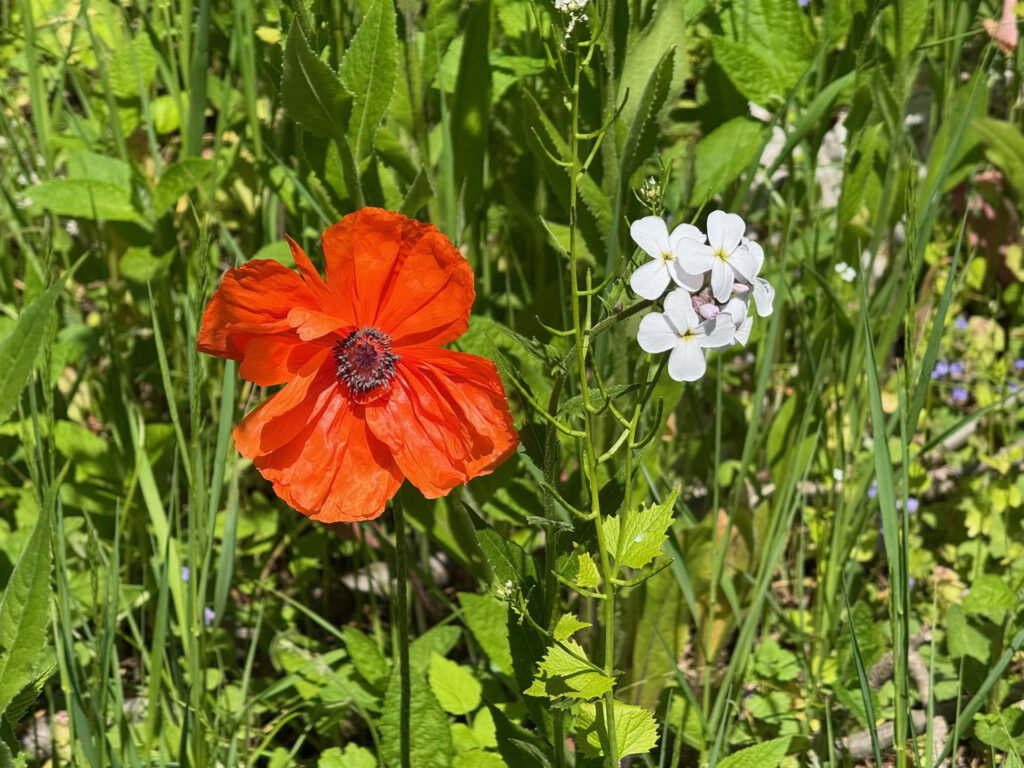
Humans often believe beauty requires purity, order, and separation from the damaged world. Nature suggests otherwise. Beauty and brokenness coexist constantly. Indeed, one often sharpens the other. The red flower blazing amid roadside weeds is more vivid because of the contrast. The field of blue stars beneath dead branches appears almost miraculous precisely because it emerges from neglect.
And perhaps that is why such scenes move us so deeply. They resemble hope itself.
To drive past that corner in Wappingers Falls is to be reminded that the world still possesses the capacity to surprise us. Not through spectacle, but through intimacy. Through small acts of persistence. Through petals lifting toward sunlight beside a road most people barely notice.
One day the flowers will fade. Summer grasses will overtake them. Autumn leaves will bury the ground in brown silence. Cars will continue past without memory. Yet next spring, if the conditions are right, the blossoms will return once more to that unlikely corner.
And someone, hurrying through the ordinary business of life, will suddenly see them and remember that beauty has never required permission to exist.
John Steele is the Co-Founder and Publisher of The New Human/Blue Continuum multimedia magazine.
Plantings
Issue 60 – June 2026
Also in this issue:
Sensing Floral Futures: A Conversation with Eliza Collin
By Clara Muller

The Ecology of Memory: Scent, Culture, and the Brain
By Gayil Nalls
Three New Plant Research Findings Everyone Can Apply
By WS/C
Heat and the Voices Most Unheard
By Willow Gatewood

Hildegard of Bingen: The Living Green World
By Gayil Nalls
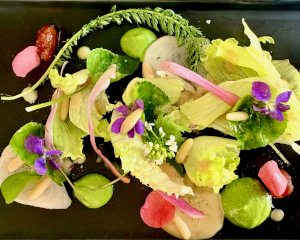
Eat More Plants Recipes:
Magnolia, White Chocolate Vinnaigrette for Foraged Greens
By Mary Munroe
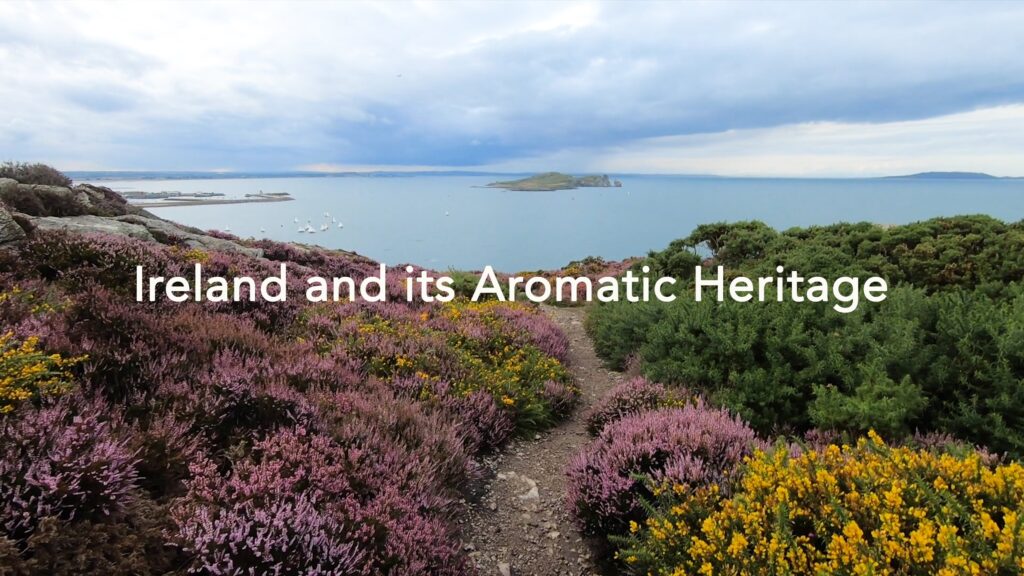
As Ireland transitions from the rich, smoky scent of peat-burning to a more sustainable future, its olfactory heritage is evolving. What will become the next iconic aromatic symbol of Ireland?
Click to watch the documentary trailer.
As Ireland transitions from the rich, smoky scent of peat-burning to a more sustainable future, its olfactory heritage is evolving. What will become the next iconic aromatic symbol of Ireland?