

The Ecology of Memory: Scent, Culture, and the Brain
By Gayil Nalls
Sign up for our monthly newsletter!
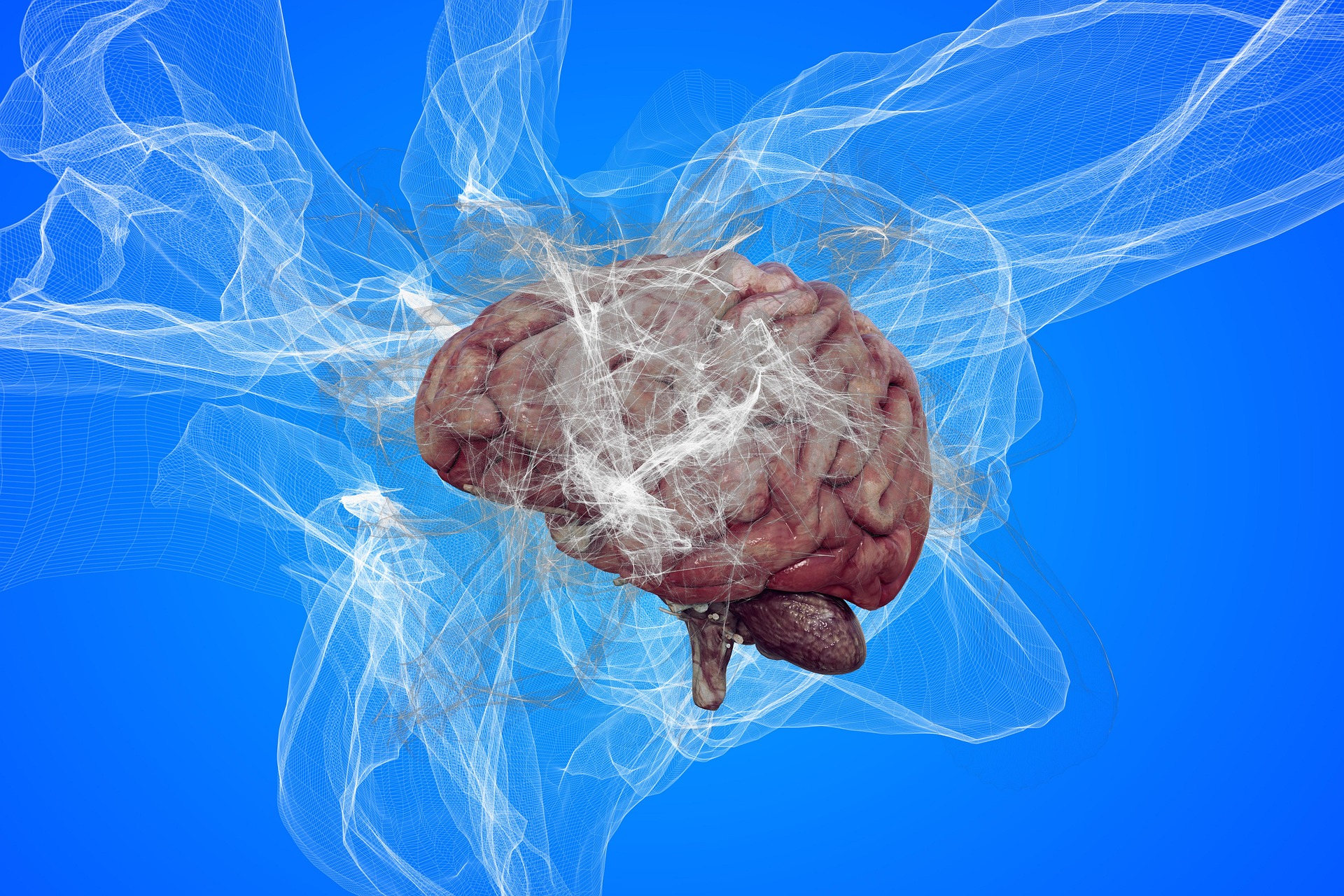
Human beings do not experience the world as detached observers. Sensory science increasingly shows that perception is deeply embodied, with smell, sound, touch, taste, and sight continuously shaping cognition, emotion, and memory. Among the senses, olfaction occupies a uniquely ancient neurological pathway. Unlike visual or auditory information, which is heavily filtered through multiple regions of the brain, odor molecules travel directly to the limbic system, including the amygdala and hippocampus, areas intimately involved in emotion, learning, and memory formation. This direct sensory route helps explain why a fleeting scent can evoke vivid recollections with extraordinary emotional intensity and immediacy. Contemporary neuroscience now recognizes that memory is encoded through multisensory experiences that bind atmosphere, place, feeling, and biological response into the living fabric of human consciousness.
Memory helps us notice disruptions in familiar patterns. We respond to present circumstances through the accumulated experiences of the past, constantly comparing what is happening now with what we have already lived through. This is what neuroscientists such as Charan Ranganath, director of the Memory and Plasticity Program at the University of California, Davis, tell us. Ranganath is also the founder of the Dynamic Memory Lab, a name that also reflects his belief that memory is never fixed or static, but fluid, adaptive, and continually reshaped over time. Memory is an active process, constantly revised as we encounter new experiences and changing environments. It is one of the essential capacities that has allowed human beings to survive as a species.
In his recent book, Why We Remember, Ranganath explores the complex systems through which memory is formed, stored, and reconstructed. He moves beyond the traditional view of memory as a filing cabinet of the past, describing instead an intricate network involving multiple regions of the brain. The hippocampus, long considered central to determining whether we remember or forget, works alongside areas such as the prefrontal cortex, which he describes as something like the brain’s chief executive officer, coordinating long-term goals, attention, and decision-making across neural networks.
What is especially compelling in Ranganath’s work is his argument that memory is deeply intertwined with imagination. Much of what we remember is not a precise replay of events, but a reconstruction assembled in the present moment. Our recollections emerge from fragments of experience combined with emotion, motivation, expectation, and cues from our current surroundings. Memory, then, is not simply about preserving the past. It is about helping us interpret the present and anticipate the future.
Yet memory also forms the foundation of culture itself. Each of us becomes, in a sense, a historian of our own lived world, carrying within us traces of what has vanished, places transformed, species lost, voices silenced, traditions altered or forgotten. Births, weddings, funerals, seasonal rituals, shared meals, songs, and celebrations become living repositories of memory that keep communities connected across generations. Through memory, cultures maintain continuity and meaning.
Among all the senses, smell is the most powerful keeper of memory. A scent can suddenly collapse time: damp earth after rain, a grandmother’s garden, honeysuckle at dusk, rosemary in a kitchen, the medicinal sharpness of eucalyptus, or the salt air of a distant coast can instantly return us to places and moments we thought had disappeared. Smell often bypasses language altogether, reaching us before conscious thought forms.
This profound relationship between scent and memory may help explain why the loss of aromatic landscapes feels so emotionally disorienting. When native plants disappear, when forests burn, wetlands dry, or once-common flowers vanish from daily life, we lose more than biological diversity. We lose parts of our sensory inheritance. Entire atmospheres of memory begin to fade. The disappearance of certain smells alters not only ecosystems, but also the emotional and cultural texture of human experience.
Nature is one of memory’s greatest companions because it stores experience not only visually, but atmospherically. Long after specific details fade, the smell of pine needles warmed by sunlight, crushed mint between the fingers, or wild roses blooming in summer can suddenly return us to another time and place with astonishing clarity. These sensory encounters become part of our inner geography, linking memory to landscape and season–a forest path walked repeatedly in childhood, the fragrance of herbs used in a family’s favorite meal.
In this sense, memory is ecological as much as neurological. It lives not only within the brain, but is stored within the sensory world around us, in the odors of living landscapes, in the chemistry of plants, in the rituals and environments that shape identity. They are automatic triggers. To preserve biodiversity is also to preserve the sensory foundations of memory itself, ensuring that future generations inherit not only stories of the world but the ability to smell, feel, and remember it directly.servation is, at its core, the work of keeping that greenness alive.
Gayil Nalls, PhD is an interdisciplinary artist and theorist, and the founder of the World Sensorium / Conservancy.
References
Charan Ranganath. Why We Remember: Unlocking Memory’s Power to Hold on to What Matters. New York: Doubleday, 2024.
University of California, Davis. “Dynamic Memory Lab.” Accessed May 27, 2026.
Dynamic Memory Lab
Rachel Herz. The Scent of Desire: Discovering Our Enigmatic Sense of Smell. New York: William Morrow, 2007.
Gordon M. Shepherd. Neurogastronomy: How the Brain Creates Flavor and Why It Matters. New York: Columbia University Press, 2012.
Diane Ackerman. A Natural History of the Senses. New York: Vintage Books, 1990.
Oliver Sacks. The Man Who Mistook His Wife for a Hat and Other Clinical Tales. New York: Summit Books, 1985.
Jay A. Gottfried, ed. Neurobiology of Sensation and Reward. Boca Raton, FL: CRC Press, 2011.
Eric R. Kandel et al. Principles of Neural Science. 6th ed. New York: McGraw-Hill, 2021.
Herz, Rachel S., and Jonathan W. Schooler. “A Naturalistic Study of Autobiographical Memories Evoked by Olfactory and Visual Cues: Testing the Proustian Hypothesis.” The American Journal of Psychology 115, no. 1 (2002): 21–32.
Peter H. Kahn Jr.. The Human Relationship with Nature: Development and Culture. Cambridge, MA: MIT Press, 1999.
Plantings
Issue 60 – June 2026
Also in this issue:
Sensing Floral Futures: A Conversation with Eliza Collin
By Clara Muller
A Corner on a Country Road
By John Steele
Three New Plant Research Findings Everyone Can Apply
By WS/C
Heat and the Voices Most Unheard
By Willow Gatewood

Hildegard of Bingen: The Living Green World
By Gayil Nalls
Eat More Plants Recipes:
Magnolia, White Chocolate Vinnaigrette for Foraged Greens
By Mary Munroe
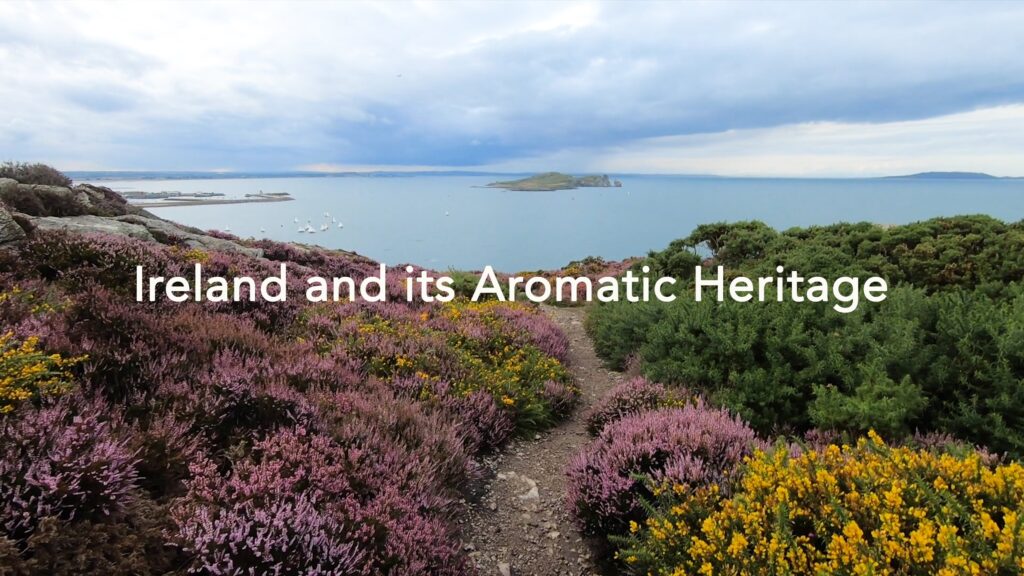
As Ireland transitions from the rich, smoky scent of peat-burning to a more sustainable future, its olfactory heritage is evolving. What will become the next iconic aromatic symbol of Ireland?
Click to watch the documentary trailer.
As Ireland transitions from the rich, smoky scent of peat-burning to a more sustainable future, its olfactory heritage is evolving. What will become the next iconic aromatic symbol of Ireland?