

Three New Plant Research Findings Everyone Can Apply
By WS/C
Sign up for our monthly newsletter!
Plant science is beginning to reveal something many traditional cultures long understood intuitively: human well-being and plant life are deeply intertwined. Discoveries in ecology, atmospheric chemistry, microbiology, and environmental health are changing how scientists understand the living world as dynamic systems of communication and interdependence. What is particularly striking is that many of these discoveries are not abstract laboratory findings removed from daily life. They offer practical lessons for how we garden, design our homes and cities, care for our health, and reconnect with the living systems around us.
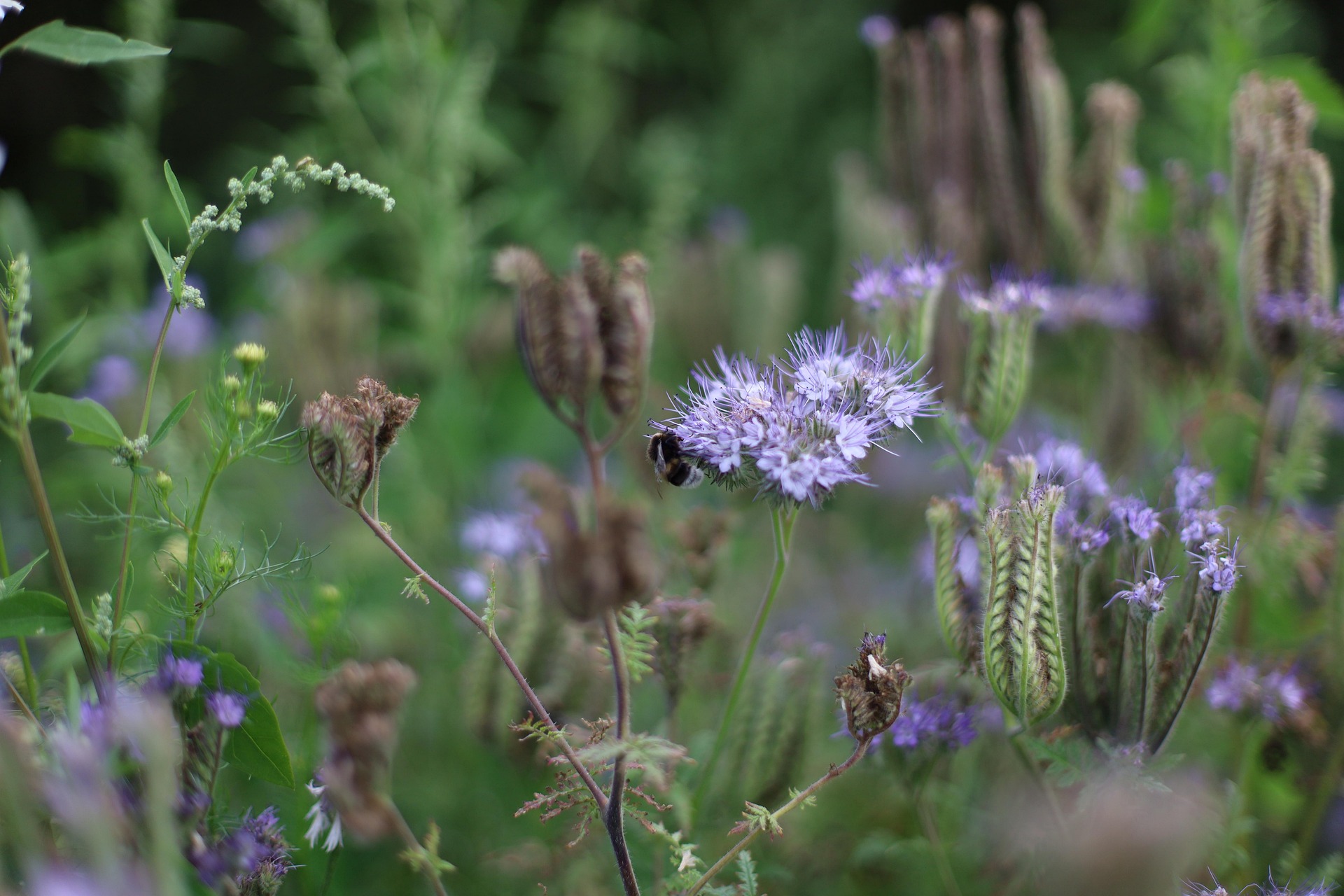
One of the most compelling areas of research focuses on the invisible chemical language of plants. Scientists now understand that plants release complex airborne compounds known as volatile organic compounds, or VOCs, when they experience stress from drought, heat, insect attacks, or disease. Nearby plants can detect these aromatic signals and begin activating their own defenses before danger reaches them. What appears to us as a quiet garden or forest is, in reality, a chemically responsive community constantly exchanging information through the atmosphere.
This discovery reshapes how we think about landscapes. A garden is no longer simply a decorative arrangement of isolated plants, but a living network of relationships. Diverse plantings appear more resilient because species can chemically support one another, helping entire ecosystems respond more effectively to environmental pressures. Aromatic plants such as rosemary, thyme, sage, mint, and lavender play an especially interesting role because many release antimicrobial or insect-repelling compounds into the air. Increasingly, researchers are also examining how these same airborne molecules affect humans. Forest air, rich in plant-emitted compounds called phytoncides, has been associated with reduced stress hormones, improved immune activity, and psychological restoration.
The practical implications are surprisingly simple. Mixed-species gardens may be healthier than monocultures. Aromatic herbs planted near windows, patios, and food gardens may contribute to healthier environments while also reconnecting people to sensory experience. Time spent in forests, parks, and biodiverse landscapes becomes more than recreation; it becomes participation in a living atmospheric exchange between plants and people.
At the same time, another major area of research is transforming our understanding of soil. Scientists studying the soil microbiome, the immense network of bacteria, fungi, and microorganisms surrounding plant roots, are finding that healthy soil influences not only plant vitality, but human health as well. Certain microbes commonly found in biodiverse soils appear to be linked to immune regulation, reduced inflammation, and even serotonin-related mood responses. Exposure to healthy soil environments may strengthen resilience in ways researchers are only beginning to understand fully.
This emerging science also reinforces the importance of living soil for agriculture and nutrition. Plants grown in biologically active soils often show greater resilience to drought and disease and may contain improved nutrient profiles. In contrast, overly sterile systems dependent on heavy chemical inputs can weaken the ecological relationships that sustain long-term fertility and resilience.
The implications again return us to practical daily choices. Composting organic waste helps sustain microbial diversity. Reducing reliance on synthetic pesticides and herbicides protects the invisible networks that support plant and ecological health. Gardening directly in soil whenever possible, rather than relying entirely on sterile growing systems, reconnects us to these living relationships. Researchers are even exploring how regular interaction with soil environments may support healthy immune development in children. Ancient agricultural wisdom, that healthy soil supports healthy life, is increasingly being validated by contemporary science.
A third major finding emerging from ecological research is that plants thrive most fully within complexity. Studies of forests, grasslands, wetlands, and regenerative farms consistently show that biodiversity improves pollination, moisture retention, disease resistance, and long-term ecological stability. Plants perform better when surrounded by relationships: fungi interwoven through roots, pollinating insects moving across flowering systems, birds regulating pests, and water cycles functioning naturally.
This challenges modern assumptions that order and sterility necessarily represent health. Landscapes stripped of diversity and ecological interaction may appear neat, but they are often less resilient. Increasingly, ecologists are recognizing the importance of allowing portions of landscapes to remain dynamic and somewhat untamed.
Even small changes can contribute to this ecological richness. A section of garden left slightly wild can support pollinators and fungal networks. Native flowering plants can replace portions of water-intensive lawn. Leaf litter can remain in selected areas to nourish insects and soil organisms. Balconies, courtyards, and roadside plantings can all become part of larger living corridors that support biodiversity within cities and towns.
Taken together, these discoveries represent a profound shift in scientific understanding. Plants are no longer viewed merely as passive background organisms decorating human life. They are increasingly recognized as active participants in atmospheric chemistry, ecological communication, microbial relationships, and planetary resilience. They shape environments, influence health, regulate ecosystems, and participate in networks of exchange that sustain life itself.
For individuals, the message is both hopeful and practical. Surround yourself with diverse living plants. Protect soil health. Grow aromatic and native species. Spend time in biologically rich environments. Allow greater ecological complexity into daily life. These actions are not only environmentally beneficial; they are increasingly understood as forms of participation in the living systems that sustain human well-being, memory, resilience, and connection to the Earth.
Plantings
Issue 60 – June 2026
Also in this issue:
Sensing Floral Futures: A Conversation with Eliza Collin
By Clara Muller
A Corner on a Country Road
By John Steele

The Ecology of Memory: Scent, Culture, and the Brain
By Gayil Nalls

Heat and the Voices Most Unheard
By Willow Gatewood

Hildegard of Bingen: The Living Green World
By Gayil Nalls
Eat More Plants Recipes:
Magnolia, White Chocolate Vinnaigrette for Foraged Greens
By Mary Munroe
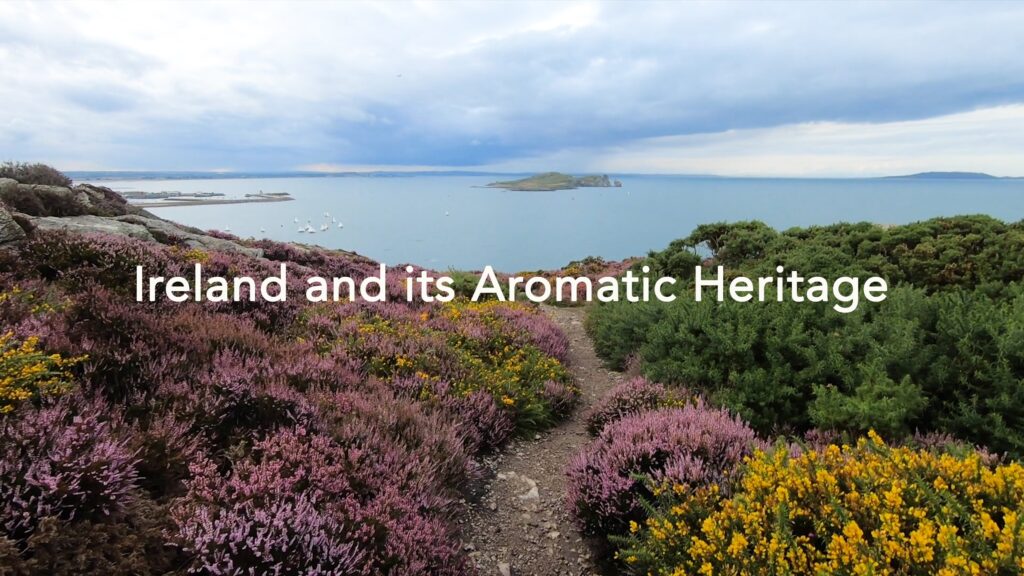
As Ireland transitions from the rich, smoky scent of peat-burning to a more sustainable future, its olfactory heritage is evolving. What will become the next iconic aromatic symbol of Ireland?
Click to watch the documentary trailer.
As Ireland transitions from the rich, smoky scent of peat-burning to a more sustainable future, its olfactory heritage is evolving. What will become the next iconic aromatic symbol of Ireland?