Chinatown finds. Willow Gatewood
A Leaf at the Table
Learning the flavor, traditions, and everyday pleasures of Chinese perilla
By Willow Gatewood
Sign up for our monthly newsletter!
Recently, I had opportunity to work and travel in China where I found many new companions (human and plant alike) and was immersed in Chinese culture — and cuisine. Often cooking with friends, I picked up a scattering of new recipes and pantry staples, one of which being the fantastic, versatile herb perilla.
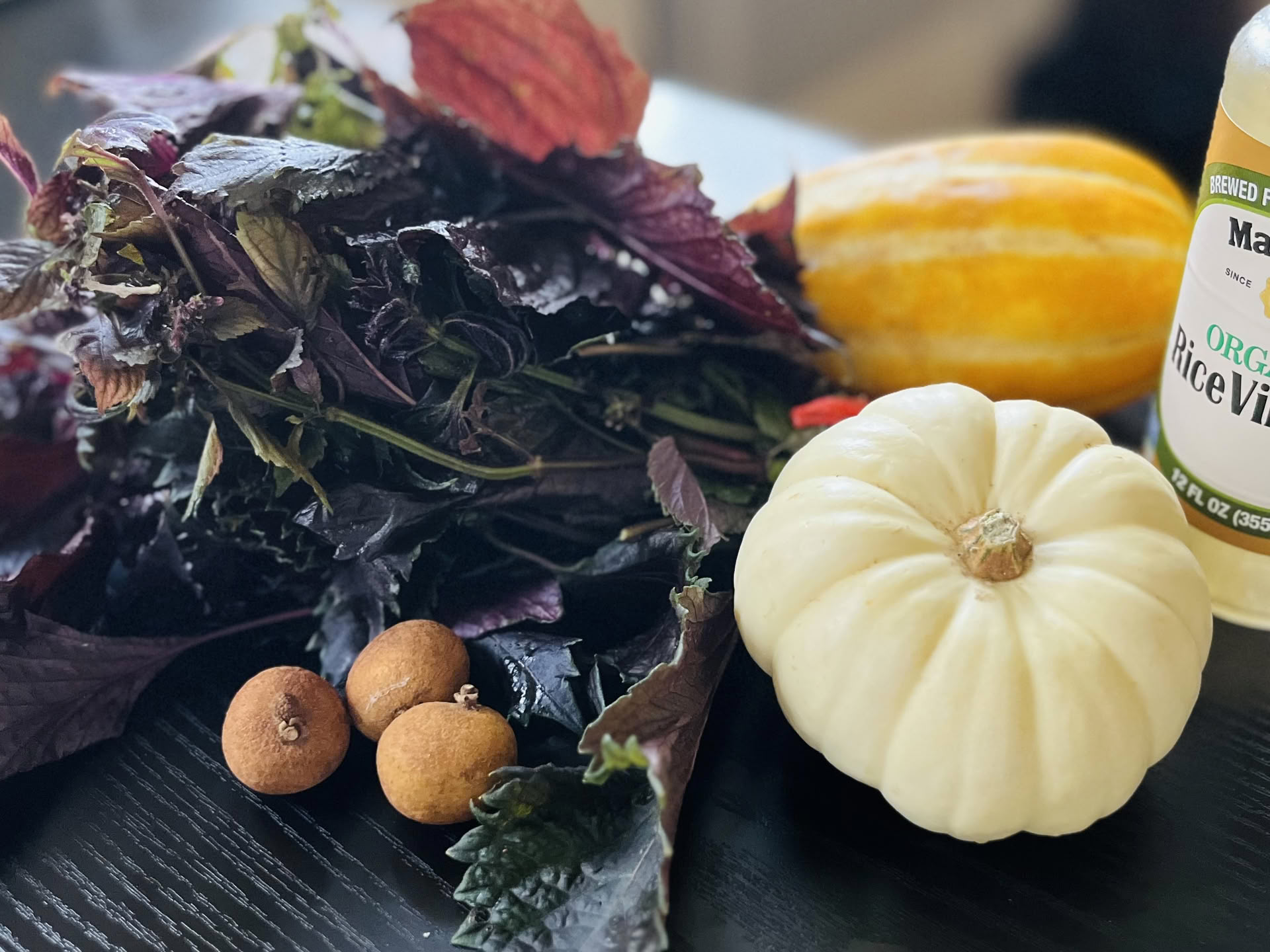
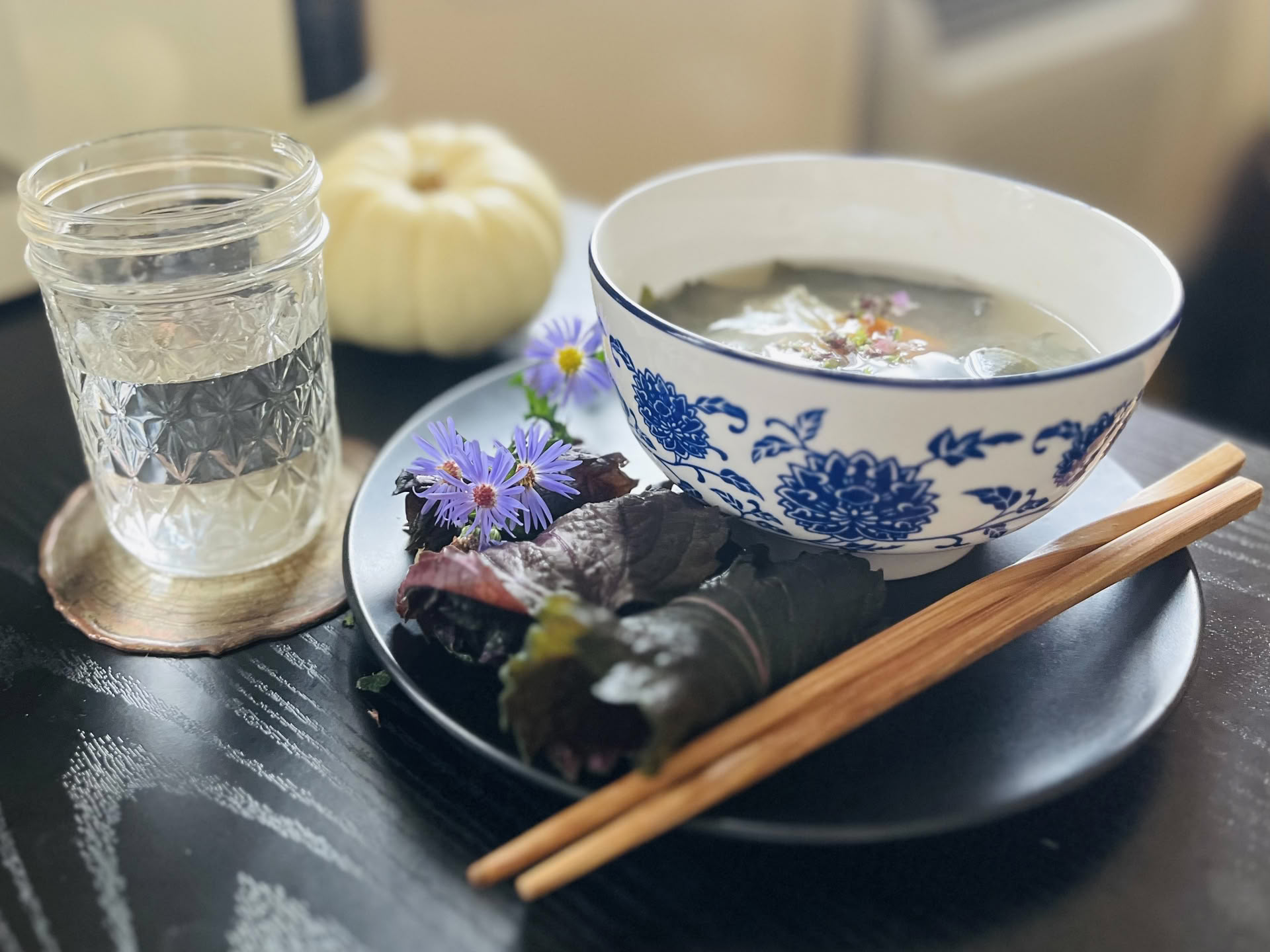
Perilla frutescens, commonly known as perilla or zǐ sū (紫苏) in China, is an aromatic, glossy plant in the mint family found across Asia. Similar to its Japanese cousin Shiso, (Perilla frutescens var. crispa), perilla found in China is often larger-leaved and milder, perfect for both soups and my favorite — as an alternative wrapper to seaweed or banana leaves for foods like sushi, grilled vegetables, or bologna. Biting into a crisp exterior only to find savory explosion inside makes for an umami experience I shared regularly around the table with companions during my time in China. It is especially popular among younger generations to wrap foods street-taco or burrito style with the leaf, a new take on traditional food that heals both the mind and body, and delights the tongue.
In Chinese culture, Perilla has been used extensively as medicine to treat ailments ranging from nausea and vomiting, inflammatory illness, and asthma and allergies. Clinically, perilla is researched for anti-inflammatory, anti-viral, and immune boosting potential, as well as for cardioprotective, neuroprotective, and antidepressant properties (American Botanical Council, 2026) . Whether stepped into medicinal teas, cooked into soups or savory dishes, tossed into salads, or used as a sushi-style wrap, Perilla is a fantastic st aple in any kitchen
Willow Gatewood
Eat More Plants: Recipes
Autumn Kabocha and Perilla Miso Soup
Serves 4
A healing, light soup filled with medicinal and vitamin-rich plants, perfect for an autumn day or defending the body from winter-time colds.
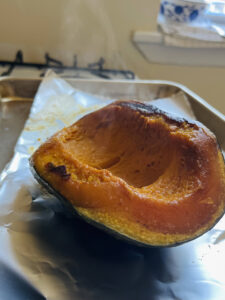
Ingredient notes: Kabocha is a green, pumpkin shaped squash with orange flesh filled with vitamins, iron, and antioxidants and can commonly be found in stores like Whole Foods or international supermarkets.
Perilla is sometimes found at international markets, but easier to source from Chinese or Asian supermarkets. I source mine from gardens around NYC or from Chinatown, Manhattan. It is also easily grown from seed. Japanese Shiso is a sufficient alternative for this recipe.
Ingredients
- ~ 1lb kabocha squash (also known as Japanese pumpkin; about 1/2 a squash with seeds)
- 2 tsp dried wakame seaweed
- ~ one cup perilla leaves
- 2 tbs rice vinegar
- 2 tbs miso (red for a hearty flavor; white for subtle taste; alternatively, use miso broth instead of water)
- ~ 4 cups water
- Soy sauce and white or black pepper to taste
Method
- Carve seeds from the kabocha and slice. The skin is edible, delicious, and highly nutrient-dense so no need to remove unless desired (note: sometimes kabocha is difficult to cut raw — bake in the oven at 450 degrees F for ~15-18 minutes to soften if needed). Cut slices into a small chunks, roughly 1-inch pieces. Transfer into a medium pot.
- Add 2 cups water to the pot and bring to a rolling boil. Reduce heat and cook for ~15 minutes. Check the squash’s doneness by inserting a fork or cho pstick — it should be soft but firm enough to hold shape.
- While the squash cooks, rinse and tear or chop perilla. Soak seaweed for about five minutes in tap water.
- After the squash is cooked, transfer remaining ingredients into the pot and simmer for ~5-10 minutes. Season with pepper, white pepper, and soy sauce to taste.
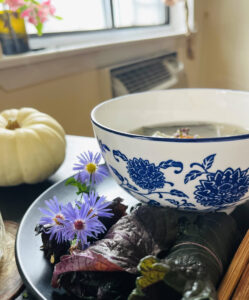
- Serve warm. A scoop of picked ginger, other salted or picked vegetables like radish, and sprinkle of perilla seeds make a great garnish. Experiment with wrapping sushi, meats, or roasted squash in large fresh perilla leaves.
Willow Gatewood is an environmental scientist, interdisciplinary artist, and storyteller from Brooklyn, NY. Follow her on Instagram: @willowg_music
References
American Botanical Council. (2026). Food as Medicine.
https://www.herbalgram.org/resources/herbalegram/volumes/volume-18/issue-3-march/news-and-features-2/food-as-medicine-perilla/

As Ireland transitions from the rich, smoky scent of peat-burning to a more sustainable future, its olfactory heritage is evolving. What will become the next iconic aromatic symbol of Ireland?
Click to watch the documentary trailer.
As Ireland transitions from the rich, smoky scent of peat-burning to a more sustainable future, its olfactory heritage is evolving. What will become the next iconic aromatic symbol of Ireland?
Plantings

Ellen Windemuth: Turning Stories into Action
Gayil Nalls

What Lies Beneath the Climate Story
Willow Gatewood