

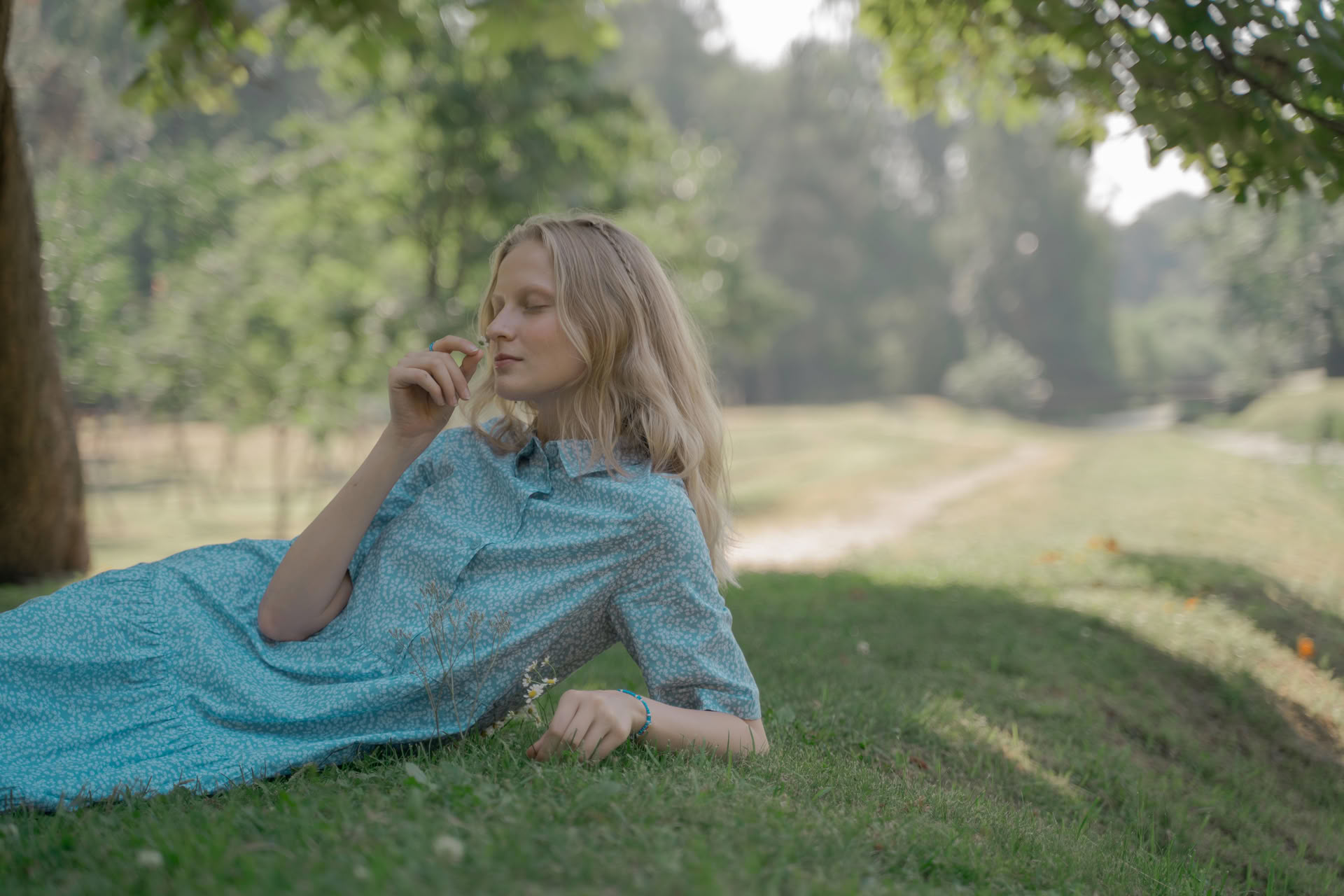
Ron Lach, Teenage Girl in Dress Smelling Flower, July 10, 2021. Pexels.
The Olfactory Experience of Nature: A Conversation with Minh-Xuan Truong
By Clara Muller
Sign up for our monthly newsletter!
Do you remember the smell of the pond where you used to fish as a child? The scent of a plant you tended with a grandparent, or of the forest trail you ran every weekend as a young adult? The smell of wet leaves underfoot, sun-warmed grass, or a particular tree in bloom can remain attached to a place long after other details have faded. But can such smells become more than memories? Can repeated olfactory encounters with particular environments become part of who we are?
This question lies at the heart of Minh-Xuan Truong’s research on the olfactory experience of nature. Working at the intersection of environmental psychology and conservation science, his doctoral research, completed at the Paris Muséum national d’Histoire naturelle in 2018, explored how smell participates in our relationships with natural environments — and, more specifically, in what psychologists call “environmental identity”: the part of our sense of self shaped through our relationship with the nonhuman world. Truong’s work invites us to think of that relationship not only in terms of values, attitudes, or consciously held beliefs, but also as something built through the body: through repetition, familiarity, movement, and sensory habits.
Such considerations become all the more significant as the conditions under which people encounter nature are changing. Urbanization, biodiversity loss, and the decline of ordinary contact with natural environments are reshaping the experiences through which such relationships can develop. This is precisely why Truong’s research focused on urban parks, gardens and balconies: modest as they may seem, these ordinary places can provide some of the most accessible and recurrent opportunities for embodied experiences of nature within everyday life. They can therefore become important settings for sensory and emotional encounters with the living world.
In this conversation, Truong revisits his research on olfaction and some of the questions it left open: how repetition shapes our relationships with nature; how familiarity, knowledge, and practices such as gardening influence what we perceive; why an “olfactory” experience is always also multisensory; and what happens when direct encounters with living environments are supplemented or transformed by virtual or artificially reconstructed ones.
Clara Muller: Your dissertation began with a question that seems both simple and impossible: can we characterize the “smell of nature”? Where did that question come from, and how did it evolve over the course of your research?
Minh-Xuan Truong: At the time, Georges Ferrando, who was running Albert Vieille, a company specializing in natural raw materials for perfumery, met Anne-Caroline Prévot, my PhD supervisor at the Muséum national d’Histoire naturelle in Paris, with this big question: can we characterize the “smell of nature”? One of the underlying ideas was to help people who live or work in enclosed spaces by bringing them something of nature through smell. Anne-Caroline thought of me because I had trained as a botanist and already had quite an embodied relationship with nature and plants. So the starting point was fairly closely tied to the perfume industry: how could we, in a sense, bottle nature and spray it into built environments so that people would feel better? But very quickly, the research showed that things were much more complicated. People’s olfactory experiences vary enormously, so you cannot simply say, “This is a pleasant smell of nature; it will make you feel good.” If a particular flower is associated with the funeral of a loved one, the emotion experienced when smelling it is unlikely to be positive, even if this flower has a pleasant smell for most people. Smells cannot be separated from this memorial dimension. That is why I gradually moved away from the idea of characterizing a single “smell of nature” and began to look at olfaction as one of the modalities through which experiences of nature take place.
C.M.: You were a botanist before moving into conservation psychology. Was smell part of the way you came to know plants?
M.-X.T.: Yes. I learned botany somewhat “the old-fashioned way,” with a professor for whom touch and smell were genuine criteria for identifying plants. I have always had quite an embodied relationship with my practice as a botanist, probably also because I was very interested in ethnobotany and the uses of plants. I have always enjoyed that sensory relationship. But it does raise questions about naturalist knowledge today. In botany, there is a whole range of sensory criteria that were used more extensively in the past and that are tending to disappear. I now work, among other things, on species-identification apps using artificial intelligence—and an AI is not going to go and sniff the plant… During my PhD, one experience was also particularly memorable. Georges Ferrando invited me to take part in sessions testing batches of essential oils and I learned that there could be very significant differences between two batches. I have a very vivid memory of a batch of cistus harvested on a slope that had been completely scorched by the sun: you could smell it in the essential oil. Something of what the plant had gone through could be found in what was expressed through the extraction process. I found that very powerful.
C.M.: In your dissertation, as well as in an article published subsequently (Truong et al., 2020), you identified correlations between odor sensitivity, environmental identity, and people’s self-reported sensory uses of natural spaces. Did this lead you to rethink the very way environmental identity is formed and measured?
M.-X.T.: Put simply, environmental identity is the idea that your identity as a person is also shaped by the experiences of nature you have. So this identity is likely built from memories containing sensory elements, including smells. Olfaction and environmental identity actually have something important in common: both are strongly linked to past experiences, memory, and emotions. In my dissertation, I ended up proposing that environmental identity might have a sensory dimension, alongside the aesthetic, symbolic, spiritual, or emotional dimensions that were already being considered. If I had continued working directly on sensory experience, I would have liked to develop this idea of a more embodied environmental identity.
C.M.: The concept of environmental identity, proposed by Susan Clayton (2003), seems to be in dialogue with other concepts—biophilia (Wilson, 1984), connectedness to nature (Mayer & Frantz, 2004), nature relatedness (Nisbet et al., 2009)—as well as with approaches such as Kay Milton’s ecology of emotion (2002) or Jean-Philippe Pierron’s ecobiography (2021). How do you situate these different approaches in relation to one another?
M.-X.T.: These approaches emerge from different theoretical traditions, but I think they share a number of fundamental questions about how people develop relationships with the nonhuman world. What interests me is less defending the boundaries between concepts than understanding the processes through which these relationships emerge. Is attachment to nature something innate or something that is constructed? Through which circles of transmission is it formed? Does it come from primary socialization through parents, or from secondary socialization through teachers and peers? At what point in life does it develop? And actually, we can ask the same questions about olfactory preferences. Which smells are going to stay with you throughout your life? Why do certain smells become repellent at a particular age? What are the many different factors that shape all of this?
“It is through the embodied mediation of our senses that we take our place within the network of interactions that is the living world.”
(Truong, 2018, p. 91)
C.M.: You emphasize the importance of repeated experiences of nature—including olfactory ones—in the construction of environmental identity. Does that mean that grand or extraordinary encounters with nature are ultimately less important than repeated, ordinary experiences?
M.-X.T.: Yes, this is something I am increasingly interested in: frequency, more than the exceptional character of an experience. A lot of research in environmental psychology has been built around the idea that you need to have somewhat “wow” experiences in order to develop your environmental identity or transform the way you behave toward nature. Of course, very powerful experiences can matter, but I think we have underestimated the importance of repetition and frequency in constructing our relationship with nature. Personally, the smells that are strongest in my identity are linked to my early childhood and to the repetition of certain ordinary experiences. A large part of my own relationship with nature was built because my father took me to the Bondy Forest every Wednesday. I did not develop an attachment to nature because I saw the Grand Canyon. I developed it by putting my feet in a stream, collecting tadpoles, watching fish, and so on. These are experiences we might call ordinary, but in terms of how I was formed, they were fundamental. Obviously, there is also a question of transmission and educational choices here: my father could just as easily have left me in front of the television!
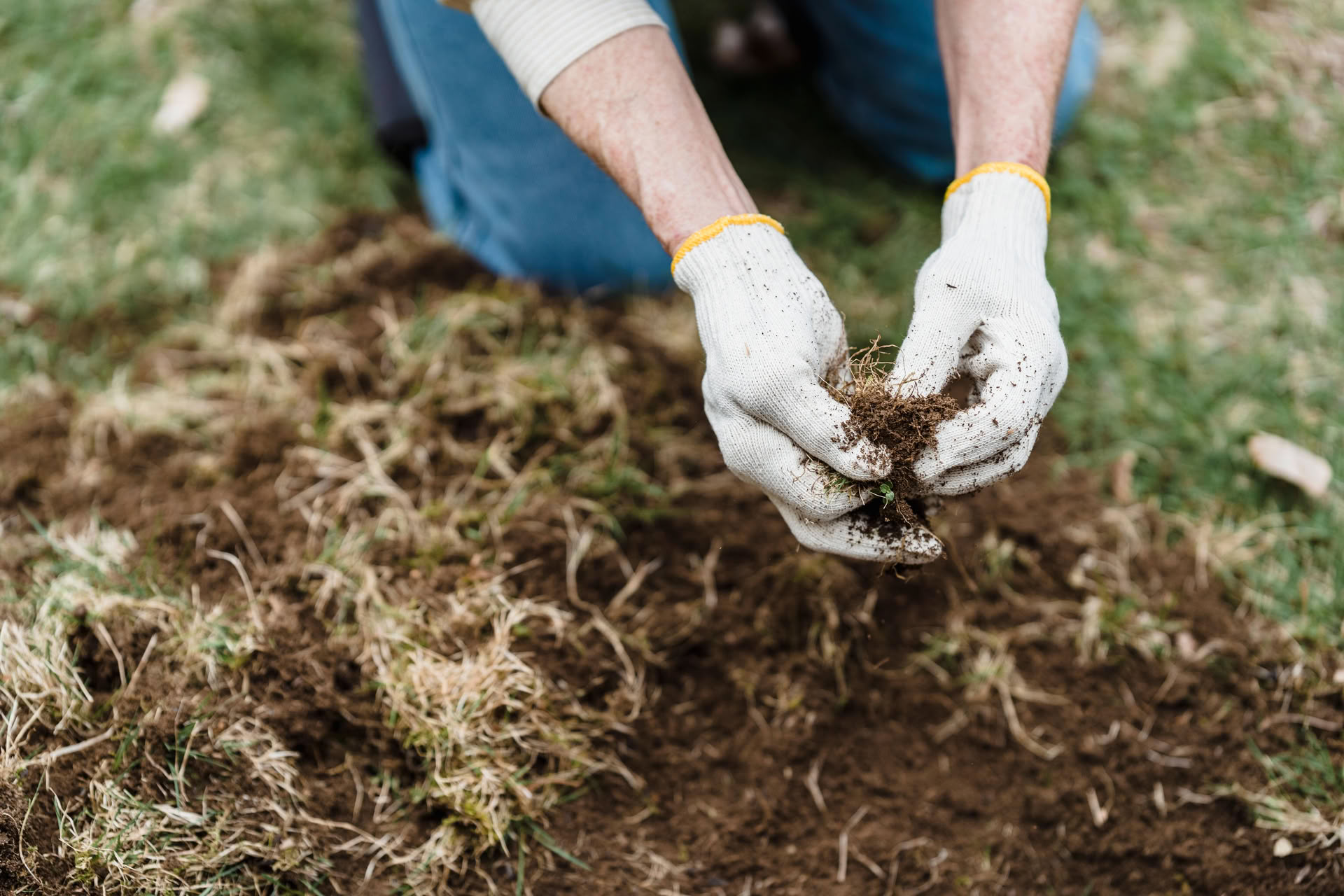
C.M.: In one of the studies conducted as part of your dissertation, you found that people who regularly garden, even on a simple balcony, more readily use precise botanical vocabulary to describe their olfactory experiences in the spaces they tend. Can regularly tending a garden inform one’s olfactory perception of a natural space?
M.-X.T.: In the dissertation, the participants who gardened more readily associated olfactory stimuli with botanical knowledge. In the same way that an oenologist develops expertise in describing the smell and taste of wine, or an ornithologist becomes expert at recognizing birdsong, gardeners, by spending time in their gardens, acquire knowledge and a vocabulary that they can associate with the sensory experiences they have there. They know what is growing in their garden and what they are likely to smell at a particular time of year. Their appropriation of the place is both physical and intellectual. What also interests me is that gardening is not a single, uniform practice. The way you manage a garden, what you introduce into it, what you allow to happen, creates very different sensory conditions. When you plant a hedge, build a log pile, or add a pond, you introduce different biological processes into the garden, and therefore different smells as well. If we take permaculture and a formal French garden as two extremes, the sensory experiences will not be the same. So I think we need to consider not only the practice of gardening itself, but also the diversity of gardens, practices, and cultures, and how these different parameters influence olfactory experience.
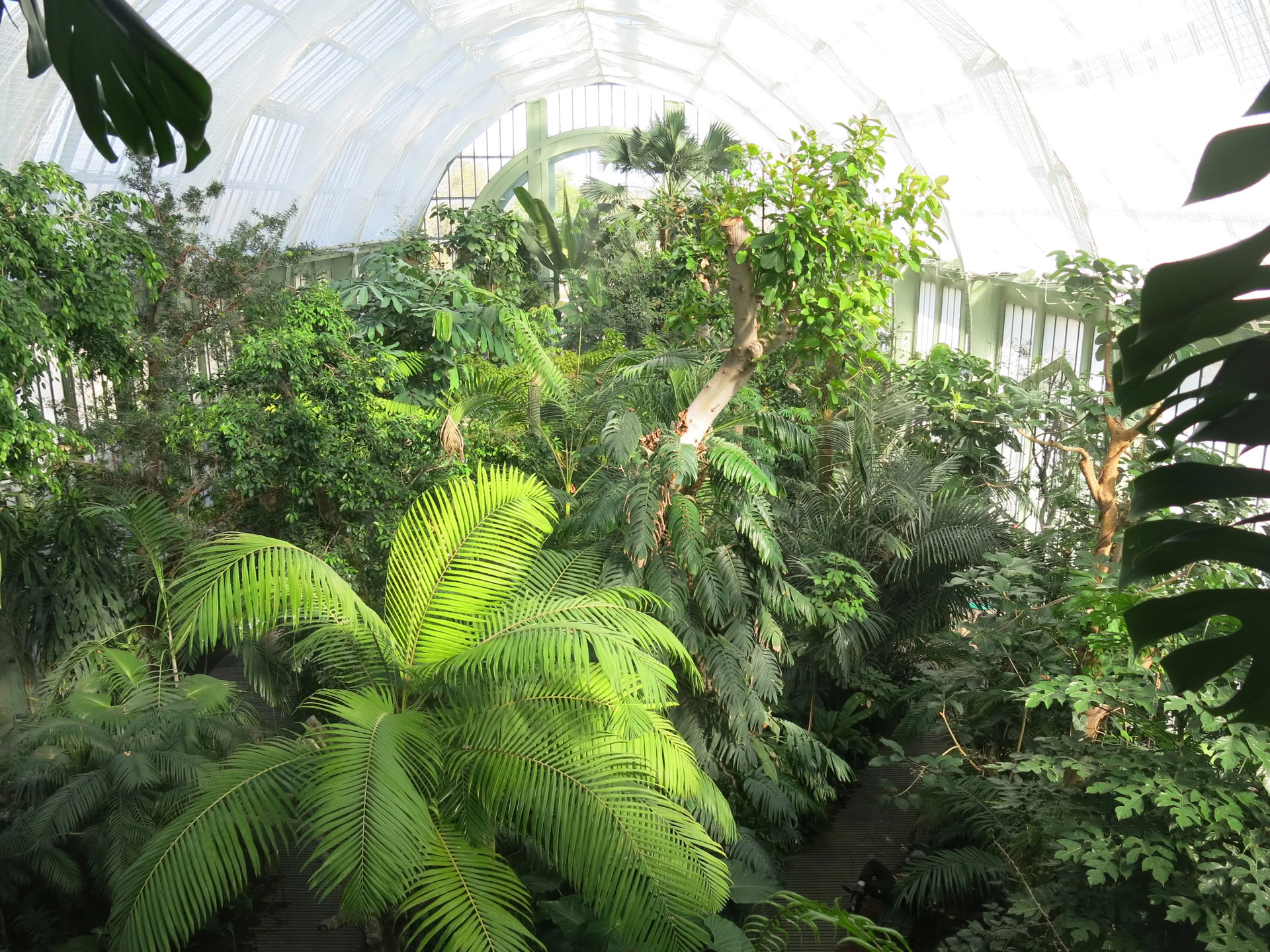
C.M.: To study the olfactory component of experiences of nature, you conducted olfactory walks in the Grandes Serres (the glasshouses) of the Jardin des Plantes in Paris. How did these walks work, and what did they allow you to capture?
M.-X.T.: It was a research method inspired by commented sensory walks, particularly the work of Jean-Paul Thibaud. The idea is to put the person back into a concrete context and collect, in real time, what they experience as they move through a space. In the Grandes Serres, I accompanied each participant individually along a route made up of three sections. They moved at their own pace, focusing their attention on smell and verbalizing the sensations, impressions, or memories evoked by the odors. I gave them all the time they needed to smell. Conducting the walks one-on-one also prevented exchanges between participants from influencing their descriptions. Looking back, what I find particularly interesting—and what I ultimately did not explore enough in the dissertation—are moments of transition, thresholds, these in-between spaces. When we moved from one space to another—for example, from the very humid tropical greenhouse to the arid greenhouse—there was a kind of sensory reset. That was often the moment when people would say, “This smell stops here, and that one begins.” Of course, the change was also perceptible haptically, because we were moving from a humid space into a dry one. Movement is therefore extremely important to perception. And with smell, even simply changing your position changes the column of air you are sampling and potentially changes what you smell.
C.M.: One of the conclusions of your dissertation is precisely that an experience we call “olfactory” is in fact profoundly multisensory. Can smell really be isolated within an experience of nature?
M.-X.T.: I do not think any sense really operates in isolation. In the descriptions we collected, olfactory experience was very often associated with a haptic component. I use “haptic” in a fairly broad sense: not simply touch, but also the perception of temperature, humidity, textures, and kinaesthesia—the perception of our own body moving through space. In urban parks, for example, people I interviewed talked at the same time about the smell of grasses warmed by the sun, the heat of the ground, and then the coolness and humidity near the water. It shows that the whole body participates in the experience. That does not mean there is no value in focusing specifically on olfaction. On the contrary, we can focus an investigation on it in order to understand what it contributes. But we have to remember that it is always embedded in something broader.
“Research [should consider] sensory experience more holistically and approach the sensory experience of nature as a continuum of sensory experiences […] rather than compartmentalizing it by considering the senses one by one.”
(Truong, 2018, p. 96)
C.M.: During these walks, did any participants spontaneously interpret the smells they perceived as manifestations of biological processes or ecological relationships? Or was their experience always essentially personal?
M.-X.T.: What came up almost systematically was whether the smell was perceived positively or negatively, and above all the memory associated with it. There could be a more biological understanding when I provided information myself—for example, “this flower is at this particular stage,” or “this plant smells like decomposing flesh which attracts flies.” But that was not a very prominent dimension for participants in the walks as I conducted them. I also think the context was not neutral. The Grandes Serres is a highly controlled environment, where the experience is very much oriented toward aesthetic appreciation. If I did the same thing in a wilder environment, in a forest or a marsh, we would probably encounter more phenomena related to methanogenesis, decomposition, and the functioning of the environment, and therefore potentially more ecological interpretations of smells. But again, it depends on the person, their relationship with smell, and their knowledge. If someone is interested in biological phenomena and knows something about the processes involved, those dimensions might appear in their experience. In my walks, at any rate, they rarely did.
C.M.: You mention wilder environments such as marshes, which also raises the question of smells considered unpleasant. This is one of Jonathan Prior’s concerns (2023) when discussing rewilding practices. Can negative sensory experiences have a negative impact on our relationship with nature?
M.-X.T.: I think that is a real question. We readily associate nature with pleasant experiences, but if you restore a wetland, for example, there will be methanogenesis, anaerobic zones, a whole range of biological processes that do not necessarily smell good. But education can help people approach those smells differently. I do not think that understanding the ecological reason behind a “bad” smell will mechanically turn it into a good one. But I do think we can learn to perceive that smell as part of a process that is itself important or beneficial. I experienced this very simply with my own son around manure. To him, manure does not smell good. But I explained that when it is used in a garden, it enriches the soil and helps plants grow better. Now he is happy to see or smell manure because he knows it will contribute to something positive. If you focus only on the smell, it does not work. You have to understand how an ecosystem functions, the cycles of life and death, the transformation of matter. A negative sensory experience can therefore have a place within the positive relationship we build with an environment, but once again, education plays a role.
“Considering the major impact senses and associated memories could have on the field, sensory studies could constitute a new branch of study in conservation sciences.”
(Truong, Bonnefoy & Prévot, 2020, p. 10)
C.M.: In the final discussion of your dissertation, going back on this idea of “bottling nature,” you question the value of “experiential fragrances” that claim to recreate the scent of a forest or a garden after the rain. Does this also raise, more broadly, the question of the commodification—or even instrumentalization—of our sensory relationship with nature?
M.-X.T.: Yes. I am always wondering how far we can use our relationships with nature as tools for productivity or marketing. That is also why I am fairly critical of some commercial applications of what is called biophilic design: putting plastic plants in offices so that employees work better, creating positive experiences associated with nature in malls so that people buy more… Of course, biophilic design can also be about creating meaningful opportunities for people to encounter nature in their everyday environments, and I see real value in that. What troubles me is when our relationship with nature becomes primarily a tool for achieving other objectives. That is not what drives me as a researcher. I have actually moved somewhat away from the term “biophilia” for that reason. It remains an important theoretical foundation for what I do, but the concept has to some extent been co-opted. Today, it has become heavily associated with a marketed version of nature, particularly in planning and design.
C.M.: You also explore the relationship between direct and mediated experiences of nature. You now work in particular on digital nature experiences. What do these experiences make possible, and what might their limitations be?
M.-X.T.: At the moment, my main research topic concerns a slow TV program on Swedish television. For three weeks in the spring, people can watch cameras set up along a river in an area through which moose pass as they return from their wintering grounds. Some people spend enormous amounts of time watching the program, and while they are watching, they describe the smells that the images evoke for them. But once again, those evocations refer back to experiences they have had before. Some people talk about memories of their youth, or holidays spent with their partner. Today, they may no longer be able to return to those places, but the olfactory memory remains very strong. It makes me wonder how people who do not have those prior sensory memories might experience the same images. At the same time, I do not think digital experiences should necessarily be understood as substitutes for direct experiences. They can create other forms of attention and relationships with nature, and that is precisely what I am now trying to understand. But I also think we need to remain attentive to what cannot be reproduced through a screen. I do a lot of work on digital experiences, but first and foremost I am still a conservation scientist. I think these experiences can be valuable in their own right, while also recognizing the importance of encouraging people to encounter nature directly, whenever they have the opportunity. All of this also fits into the broader idea that we are experiencing an “extinction of experience” (Pyle, 1978), although I think that, in many ways, we are also witnessing a profound transformation in how people experience nature.
C.M.: Speaking of the “extinction of experience,” does it also affect what constitutes our everyday olfactory baseline? In highly urbanized and industrialized societies, the smells that tend to become salient are often anthropogenic—food, perfumes, personal-care products, cigarettes, pollution… Is this simply a transformation of our environments and lifestyles, or also a transformation of what we are culturally taught to direct our attention toward?
M.-X.T.: I think it is first and foremost related to the environment in which we live. For many people, the smells that make up their “olfactory baseline” are not smells that come from nature. In a predominantly urban environment, we become accustomed to noticing urban smells, and perhaps especially those that may signal something harmful—exhaust fumes, the smell of urine, excrement… We learn very strongly to associate smells with things that may be dangerous, dirty, or toxic. There is something very primal about that. In a sense, being able to pay attention to things that smell good is almost a luxury. But in cities, the opposite effect can also occur. If I were to conduct studies in urban parks again, one of my hypotheses would be precisely that certain smells of nature might stand out more strongly because they are not part of the olfactory environment to which people are predominantly exposed. When a new smell appears in your environment, it attracts your attention. An unusual vegetal smell can therefore become particularly noticeable in a city. This is something I experience very consciously myself when I am in Paris: you walk beneath a flowering tree and suddenly that smell stands out very clearly against the city’s olfactory background.
C.M.: In the foreword to your dissertation, you write that this research changed your own relationship with smell and the way you experience nature. Several years later, what has remained with you?
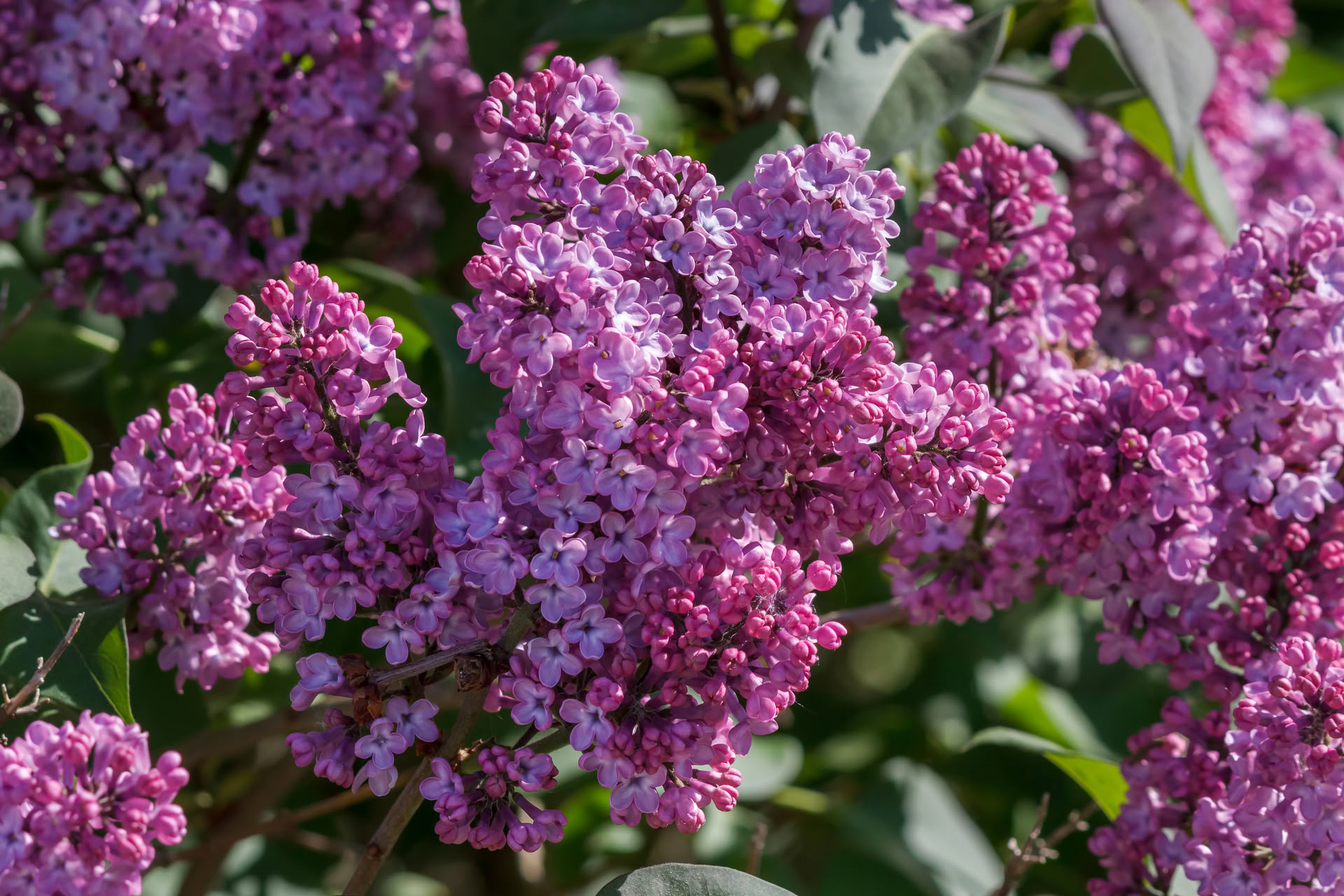
M.-X.T.: What I have mainly retained from my dissertation is a much stronger awareness of just how individual our olfactory relationship with the world is. I also pay much more attention to it in my own life. Living in Sweden, for example, has made me aware of seasonal variations that I had never experienced before. Winter smells vary enormously from one day to the next: depending on whether it has been slightly warmer, whether there has been wind, or whether the snow is beginning to melt, a snowy forest does not smell the same. The arrival of spring is also a very powerful olfactory experience. Where I live, lilacs flower in May, and in the evening, when you open the window, you can really smell the lilac in the air. In June, by contrast, it smells of lily of the valley. I find that interesting because, coming from France, my sense of seasonality was different: for me, lilac means April, and lily of the valley means May. So when I go back to France in the spring and then return to Sweden, I sometimes experience lilac season twice, or lily-of-the-valley season twice! Seasonality has become something very important to me.
Clara Muller is a French art historian and art critic conducting research on olfaction in art, design, and literature. She has been a writer for the olfactory magazine and publishing house Nez since 2016. She contributes to the collection “The Naturals Notebooks” for which she studies the place of aromatic plants in the history of visual and decorative arts. She has curated several exhibitions dedicated to olfactory art and design. https://www.claramuller.fr/
References
Clayton, S. (2003). Environmental identity: A conceptual and an operational definition. In S. Clayton & S. Opotow (Eds.), Identity and the natural environment: The psychological significance of nature (pp. 45–65). MIT Press. https://doi.org/10.7551/mitpress/3644.003.0005
Mayer, F. S., & Frantz, C. M. (2004). The connectedness to nature scale: A measure of individuals’ feeling in community with nature. Journal of Environmental Psychology, 24(4), 503–515. https://doi.org/10.1016/j.jenvp.2004.10.001
Milton, K. (2002). Loving nature: Towards an ecology of emotion. Routledge. https://doi.org/10.4324/9780203421413
Nisbet, E. K., Zelenski, J. M., & Murphy, S. A. (2009). The nature relatedness scale: Linking individuals’ connection with nature to environmental concern and behavior. Environment and Behavior, 41(5), 715–740. https://doi.org/10.1177/0013916508318748
Pierron, J.-P. (2021). Je est un nous : Enquête philosophique sur nos interdépendances avec le vivant. Actes Sud.
Prior, J. (2023). Rewilding and Olfactory Landscapes. In A. Philippopoulos-Mihalopoulos, D. Mandic, C. Nirta & A.
Pavoni (Éds.), Smell (pp. 171-190). University of Westminster Press.
Pyle, R. M. (1978). The extinction of experience. Horticulture, 56, 64–67.
Truong, M.-X. (2018). Construction et perception de la part olfactive de l’expérience de nature : Complémentarité des relations cognitives, écologiques et sensorielles de la nature [Thèse de doctorat, Muséum national d’Histoire naturelle].
Truong, M.-X., Bonnefoy, B., & Prévot, A.-C. (2020). About smells and nature: An exploratory study on the links between environmental identity, smell sensitivity, and sensory uses of natural spaces. PsyEcology, 11(1), 7–20. https://doi.org/10.1080/21711976.2019.1643987

Plantings
Issue 65 – November 2026
Also in this issue:
Ellen Windemuth: Turning Stories into Action
Gayil Nalls
What Lies Beneath the Climate Story
Willow Gatewood
Why Fall Yard Care Could Start With Doing Less—but Not Nothing
Manjot Kaur Sidhu
Three Times a Day: How Climate Change Is Already on Your Plate
Lewis H. Ziska
Why Are Some of Us Betting on the End of the World Instead of Saving It?
Gayil Nalls
Eat More Plants Recipes:
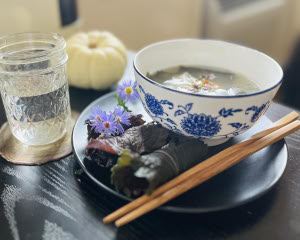
Autumn Kabocha and Perilla Miso Soup
Willow Gatewood
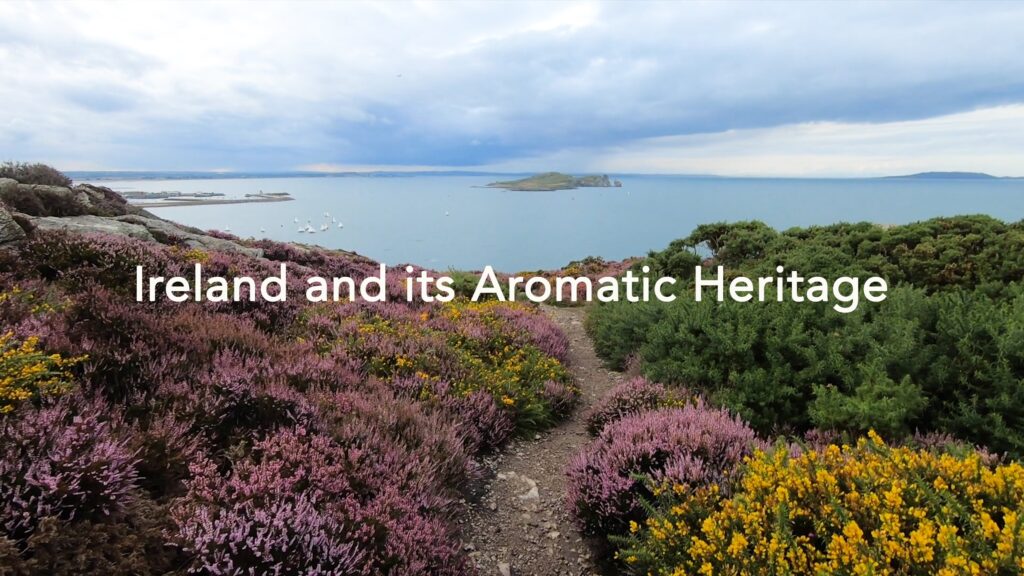
As Ireland transitions from the rich, smoky scent of peat-burning to a more sustainable future, its olfactory heritage is evolving. What will become the next iconic aromatic symbol of Ireland?
Click to watch the documentary trailer.
As Ireland transitions from the rich, smoky scent of peat-burning to a more sustainable future, its olfactory heritage is evolving. What will become the next iconic aromatic symbol of Ireland?