

Plants as Life’s Painkillers
By Gayil Nalls
Sign up for our monthly newsletter!
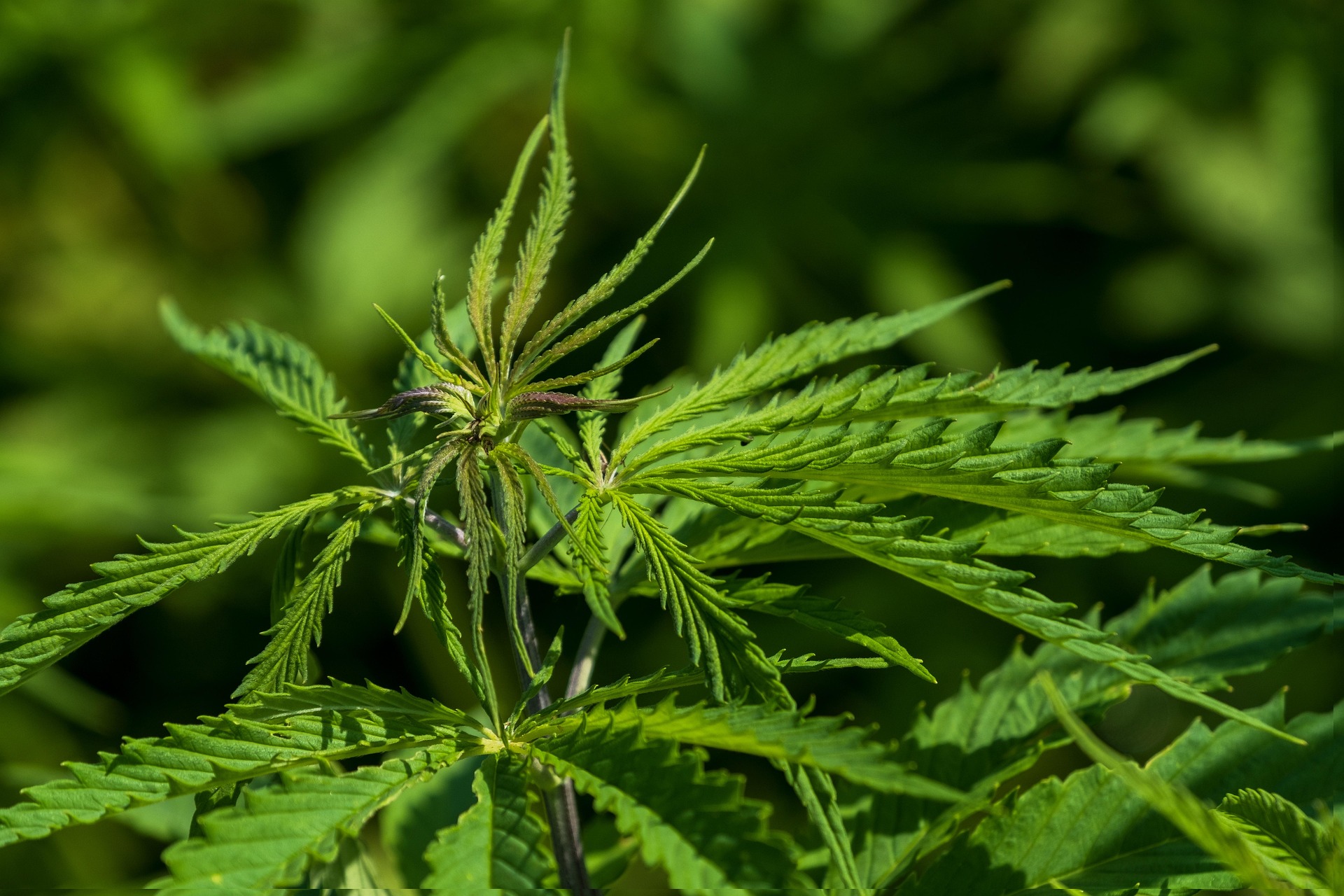
In New York, the scent of marijuana seems to drift around the city rising from street hangouts, parks, and passing cars. Since legalization, this smell has become part of the city’s everyday atmosphere, and its growing visibility invites a broader question about its motives for use: how have plants shaped our search physical pain relief, anxiety reduction, and life enhancing experiences, from the familiar aroma of marijuana to the long history of the opium poppy and other botanical medicines?
Long before cannabis entered today’s debates about its recreational use and use as medical treatments, the opium poppy (Papaver somniferum) was valued for its pain-relieving properties. Cultivated for millennia, it remains a source of important medicines and of compounds that continue to cause serious harm.
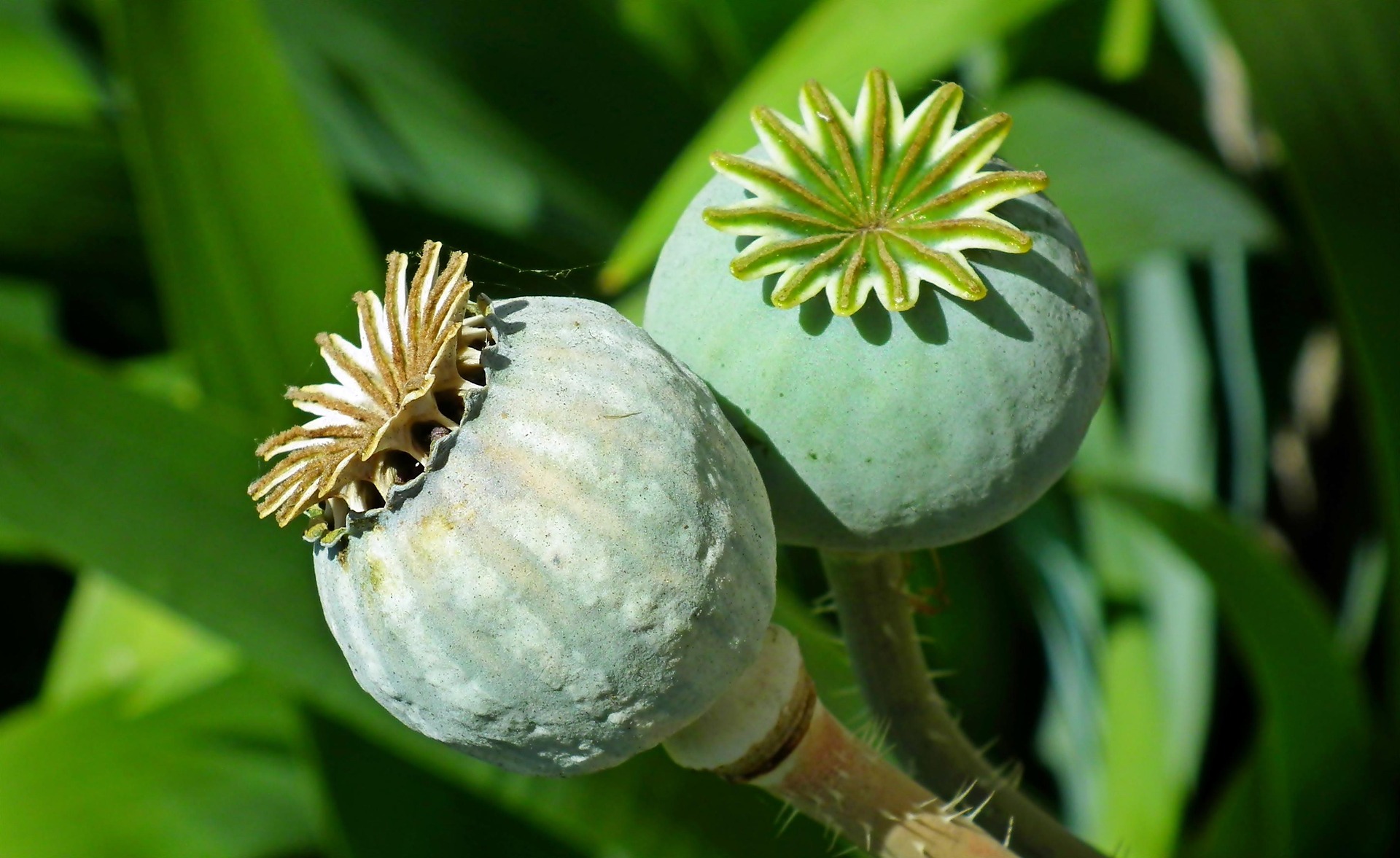
come from the milky white latex, a sap that oozes from the damaged or cut seedpods of the opium poppy plant (Papaver somniferum).
The history of opium also intersects with the history of pharmacies and commercial remedies. In late nineteenth-century China, proprietary “opium cures” were sold in forms such as pills and powders. The trade in these remedies overlapped with the growth of Western pharmacy businesses, some of which expanded into proprietary medicines and soda water. During the late 19th centuries, before modern drug regulations were established, opium and other narcotics were frequently used as ingredients in soft drinks, sodas, and patent medicines. Soft drinks evolved directly out of the pharmaceutical and pharmacy industry when carbonated water was originally popularized as a health tonic, and pharmacists regularly added therapeutic ingredients, including cocaine, cannabis, and opiates to provide temporary feelings of well-being. [1–2]
In 2014, as pharmaceutical companies warned of a possible shortage of poppy-derived raw materials, they urged Australia to expand commercial cultivation beyond Tasmania. Tasmania had been the country’s sole legal growing region; however, Victoria subsequently changed its laws to allow commercial poppy crops on the mainland. The expansion took place under licensing and drug-control rules: Australia’s international obligations require close supervision of cultivation and production, rather than a simple decriminalization of growing. [1–3]
The poppy’s latex contains alkaloids including morphine, codeine, and thebaine. Morphine and codeine are used as medicines, while thebaine is a starting material for making some semisynthetic opioids. Heroin is also made from morphine. These compounds illustrate the plant’s complicated place in medicine: they can relieve severe pain, yet opioid drugs also carry risks of dependence, overdose, and death. [4, 5]
The poppy is only one part of a much wider history of plant-based approaches to pain. Willow bark (Salix alba), used for centuries to ease pain and fever in Europe and by Native American tribes to treat headaches, fevers, and inflammation. It contains salicin, a chemical compound that metabolizes into salicylic acid, an early ancestor of aspirin. Modern evidence has found for willow bark by itself helps with short-term low-back pain. [6]
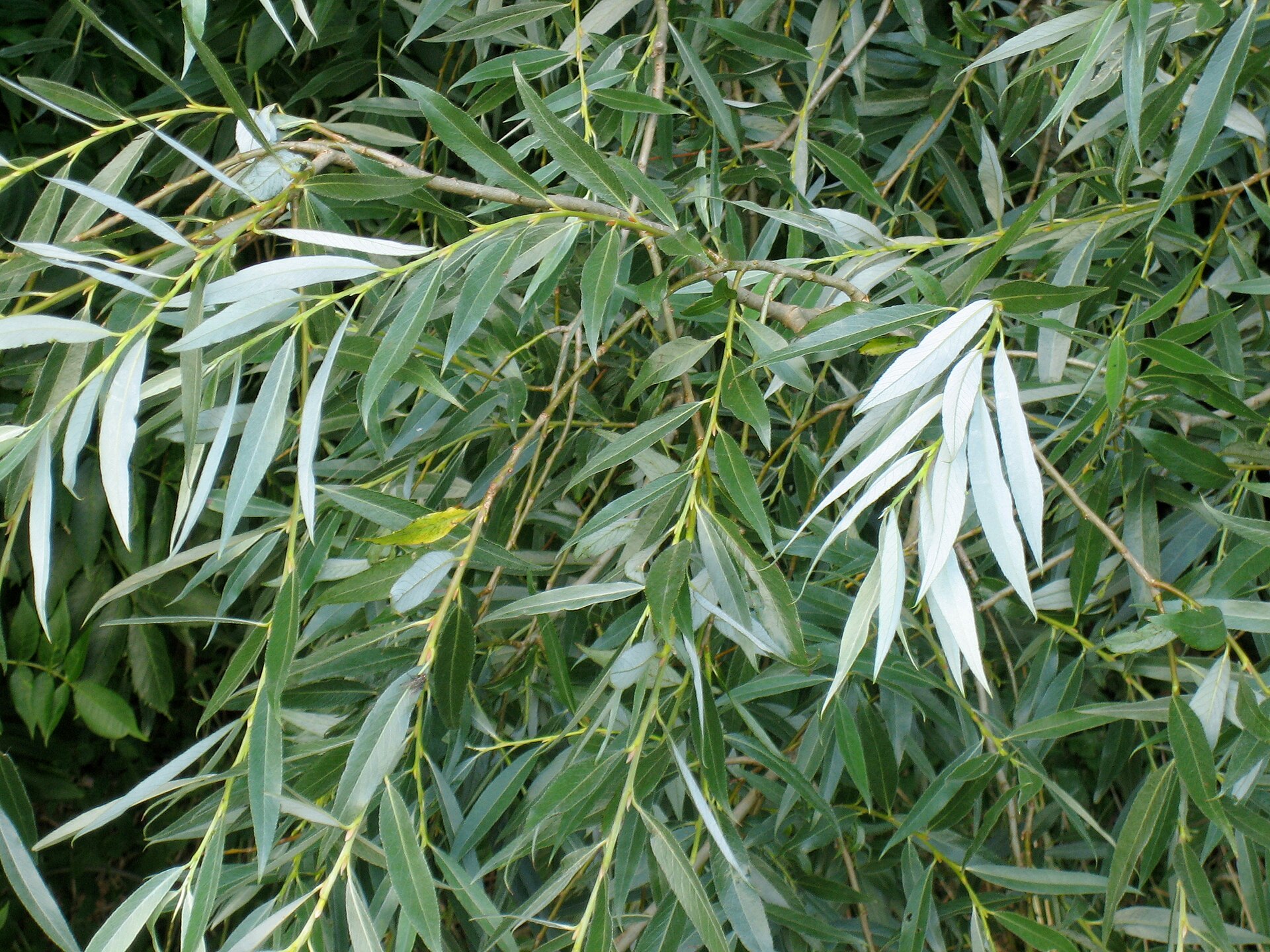
White willow bark (Salix alba) is the inner bark of the White Willow native to Europe and Western Asia. It has a long history in traditional medicine as a natural remedy for pain, inflammation, and fever. When ingested, the body converts salicin into salicylic acid, which inspired the development of modern aspirin. MPF, CC BY-SA 3.0, via Wikimedia Commons

In South and Southeast Asia, turmeric (Curcuma longa) has been used in Ayurvedic and traditional Chinese medicine as a powerful anti-inflammatory. Its active compound, curcumin, is increasingly studied for its potential to relieve arthritis and chronic pain without the side effects of synthetic drugs. However, some say the evidence is not yet strong enough to establish turmeric or curcumin as a confirmed effective treatment. [7]
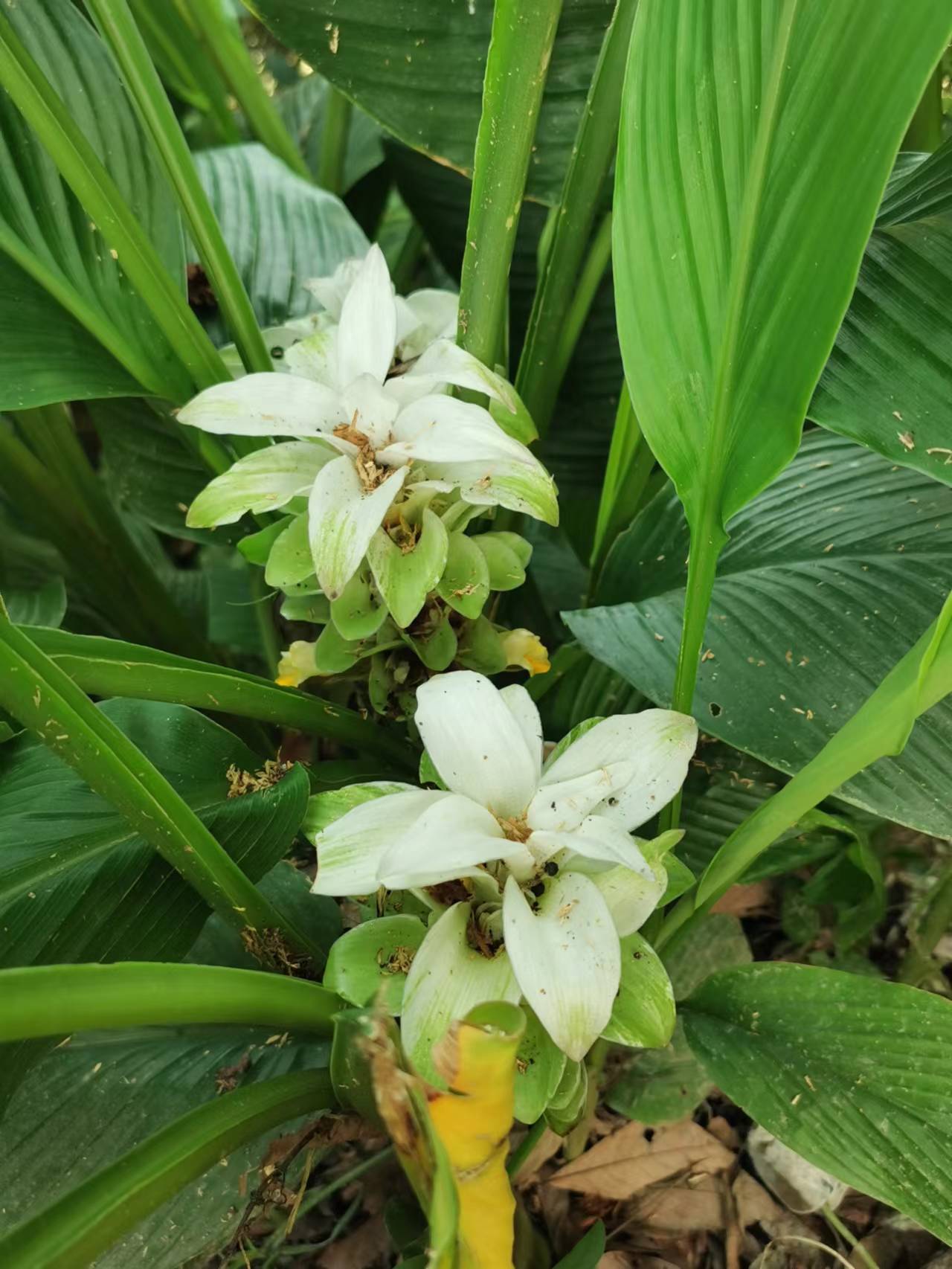
Turmeric (Curcuma longa) is a herbaceous perennial, rhizomatous flowering plant in the ginger family Zingiberaceae. The active ingredients are in its rhizome.It is natuve to India and Southeast Asia.
Ping an Chang, CC BY-SA 4.0, via Wikimedia Commons

Other plants bring their own histories and uncertainties. From the Amazon, uña de gato (Uncaria tomentosa), or cat’s claw, has been used by Indigenous communities for centuries to treat inflammation and joint pain. It has been studied for various health claims, but there is no conclusive clinical evidence by that it relieves pain. [8]
In Africa, the Devil’s claw (Harpagophytum procumbens) is a traditional remedy for rheumatism and muscular pain, now widely available as a supplement in Europe and North America. This plant has somewhat more evidence. Studies suggest it offers short-term relief for low-back pain and may help some people with osteoarthritis. [9]
Another increasingly controversial but historically rich plant is kratom (Mitragyna speciosa), used in Southeast Asia as both a stimulant and pain reliever. Its active alkaloids, mitragynine and 7-hydroxymitragynine, act on opioid receptors, offering relief from pain but also carrying risk of dependence, placing it, like poppy, at the intersection of traditional medicine and modern regulatory scrutiny. Its potential therapeutic uses remain under study, and because it can cause dependence and withdrawal; it has not been established as a safe and effective medicine. [10]
Even cannabis, often used for pleasure alone, is now experiencing a global renaissance in medical contexts. It has had a long history of employment in traditional systems from China to the Middle East to treat pain, spasticity, and inflammation. Today, its complex phytochemistry, especially cannabinoids like THC and CBD, offers multiple avenues for pain modulation and neuroprotection. Scientific evidence does suggest a benefit for some chronic pain but it also shows that cannabis has side effects are common among people using cannabis or cannabinoid products, and do not exist in those taking a placebo. [11]
What links all these plants, from ancient willow groves to tropical rainforests, is a deep understanding, passed down through generations, that nature holds keys to healing. The challenge today is how to integrate this wisdom with scientific rigor, equitable access, and ethical cultivation practices.
Taken together, these plants show how human communities have drawn on botanical knowledge to respond to pain, and how modern medicine continues to investigate plant compounds. Traditional use, laboratory activity, and clinical effectiveness are different kinds of evidence. The challenge is to study potential treatments rigorously while recognizing the knowledge systems that brought these plants to attention, protecting the species and ecosystems they depend on, and ensuring that effective pain relief is balanced with the prevention of addiction and overdose.
As we face rising rates of chronic pain, a global opioid crisis, and the continued overexploitation of plant species, perhaps it is time to rethink pain management as part of a larger ecological and cultural system, one that honors the biodiversity of the natural world and the knowledge of the cultures who first understood its power.
Gayil Nalls, PhD, is an interdisciplinary artist and theorist and the founder of the World Sensorium / Conservancy.
Sources
- Patrick Chiu, “’Opium Cures’, Proprietary Medicines and Soda Water,” in A History of Western Pharmacy in China. Springer, Singapore, 2023, pp. 89–111. DOI: 10.1007/978-981-99-8635-4_5.
- Jamie Smyth, “Drug Firms Call for Poppyfield Expansion to Feed Painkiller Demand,” The Irish Times, March 12, 2014. Financial Times article republished by The Irish Times.
- Australian Broadcasting Corporation, “Victoria Clears the Way for Poppy Industry,” December 11, 2013.
- Northern Territory Department of Agriculture and Fisheries, “Poppy Regulation Act”; Australian Government, Narcotic Drugs Act 1967.
- U.S. Food and Drug Administration, “Opiate Alkaloids on Poppy Seeds.”
- U.S. Drug Enforcement Administration, Drugs of Abuse: A DEA Resource Guide, 2024 edition.
- U.S. National Library of Medicine, “The Story of Aspirin”; National Center for Complementary and Integrative Health (NCCIH), “Nutritional Approaches for Musculoskeletal Pain and Inflammation.”
- NCCIH, “Turmeric: Usefulness and Safety.”
- NCCIH, “Cat’s Claw: Usefulness and Safety”; NCCIH, “Herb-Drug Interactions: What the Science Says.”
- NCCIH, “Nutritional Approaches for Musculoskeletal Pain and Inflammation”; M. A. Mncwangi et al., “Devil’s Claw—A Review of the Ethnobotany, Phytochemistry and Biological Activity of Harpagophytum procumbens,” Journal of Ethnopharmacology, 2012.
- NCCIH, “Kratom”; U.S. Food and Drug Administration, “FDA and Kratom.”
- NCCIH, “Cannabis (Marijuana) and Cannabinoids: What You Need to Know.”

Plantings
Issue 66 – December 2026
Also in this issue:

The Living World Inside the Frame
Gayil Nalls

Plants are Important: The Part About Drugs
Lewis H. Ziska
What Trees Let Go: Lessons from Flora on Rest and Renewal
Willow Gatewood

Humans Are Killing Helpful Insects in Hundreds of Ways––Simple Steps Can Reduce the Harm
Christopher Halsch and Eliza Grames

Why are there so many plants?
Kale Sniderman, Chris Mays, and Greg Jordan

Eat More Plants Recipes:
Black Bean Brookies
Skye Gatewood

As Ireland transitions from the rich, smoky scent of peat-burning to a more sustainable future, its olfactory heritage is evolving. What will become the next iconic aromatic symbol of Ireland?
Click to watch the documentary trailer.
As Ireland transitions from the rich, smoky scent of peat-burning to a more sustainable future, its olfactory heritage is evolving. What will become the next iconic aromatic symbol of Ireland?