


Hanging on. Willow Gatewood
What Trees Let Go: Lessons from Flora on Rest and Renewal
By Willow Gatewood
Sign up for our monthly newsletter!
It was the first night I had climbed a hill to watch the stars move across the sky since leaving the hospital. Summer had passed outside the window I rarely saw. I had missed the sweet-scented new growth, and now the trees stood bare against a cold, clear sky.
Their branching forms reminded me of lungs, rising and dividing as if to breathe in the world. But the winter light also revealed every scar, patch of moss, and canker. Seeing them so exposed made me recoil; a chill ran down my spine. Yet there can be a gift in being stripped bare. I had spent months blanketed and overwhelmed. On the hill, I remembered how clearly I could see the world around me. I watched it rest.
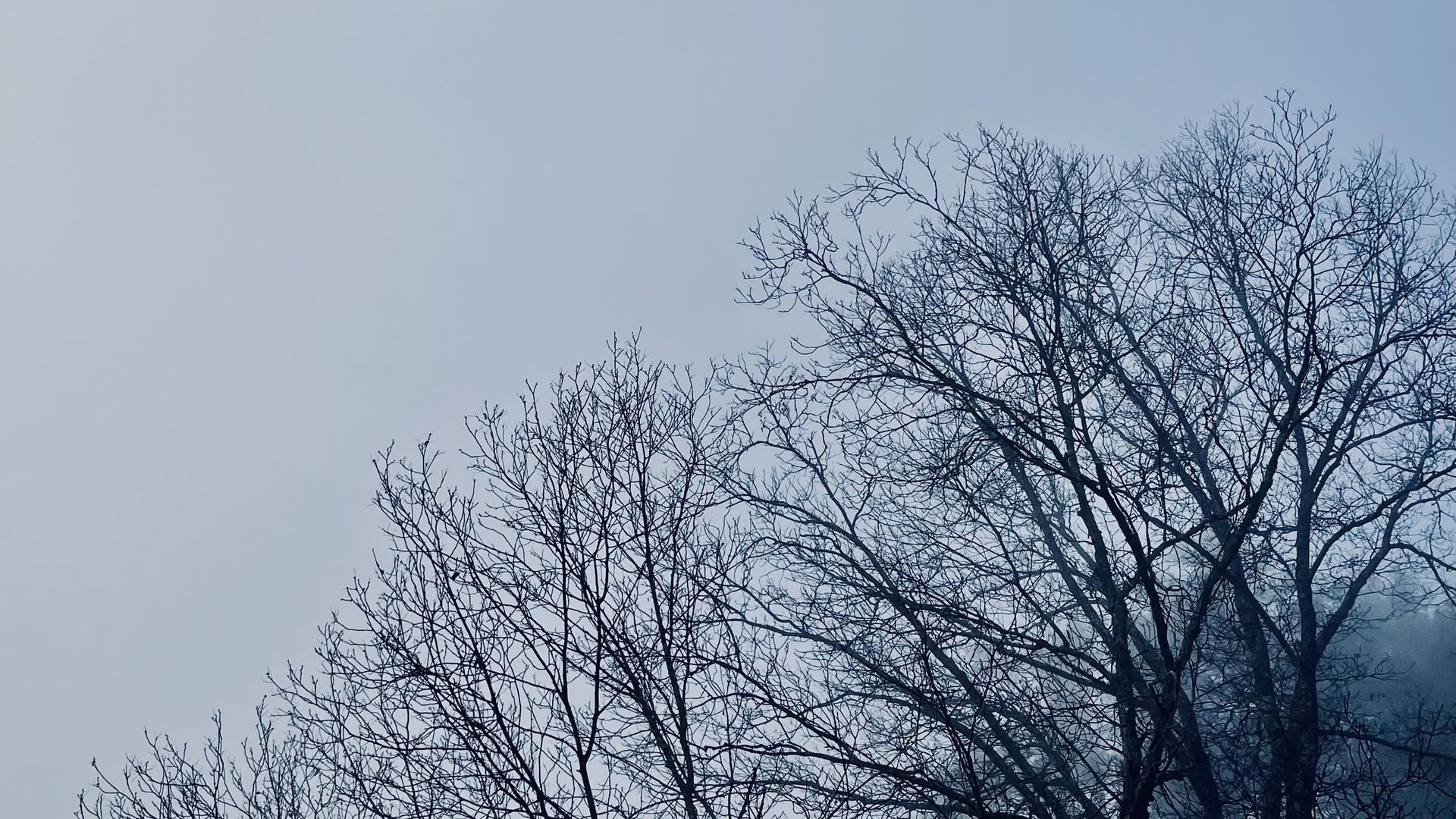
The landscape does not become empty in winter. Many plants in temperate regions respond to shorter days and colder temperatures by slowing growth or entering dormancy. These changes vary among species, but they help plants survive conditions that are unfavorable for growth. Dormancy is not simply sleep: a plant’s metabolism continues, though its activity and priorities change. Buds are protected, growth pauses, and stored resources help sustain the plant until conditions favor new growth.
For deciduous trees, the transition begins before the last leaves fall. As a leaf ages, the plant can withdraw and store some of its nutrients, including nitrogen and phosphorus. This process, called nutrient resorption, helps conserve resources that may support future growth.
The separation of a leaf from a plant is called abscission. It is an active, regulated process: specialized cells form a separation zone at the base of the leaf, allowing it to detach. The plant also protects the place where the leaf was attached. The leaf once served the plant well, but as the season changes, maintaining it may cost more than the resources it can provide. Abscission is one part of how many plants respond to those changing conditions. In other words, the tree releases something from its body, and that released material nurtures relationships outside the body.
The fallen leaves have a life beyond the tree. As fungi, microbes, and other organisms break them down, their organic matter and nutrients return to the soil and become part of wider ecological cycles. What a plant sheds can contribute to the life around it, though that return happens through decomposition rather than directly feeding the roots.

Plants do not all follow the same seasonal pattern. Some keep their leaves; others die back to the ground, retreat underground, or persist as seeds until conditions improve. In temperate and boreal regions, many plants have evolved ways to endure seasonal change and begin growing again when light, temperature, and water allow. Their winter quiet is not a single strategy, but a range of adaptations shaped by place and species.
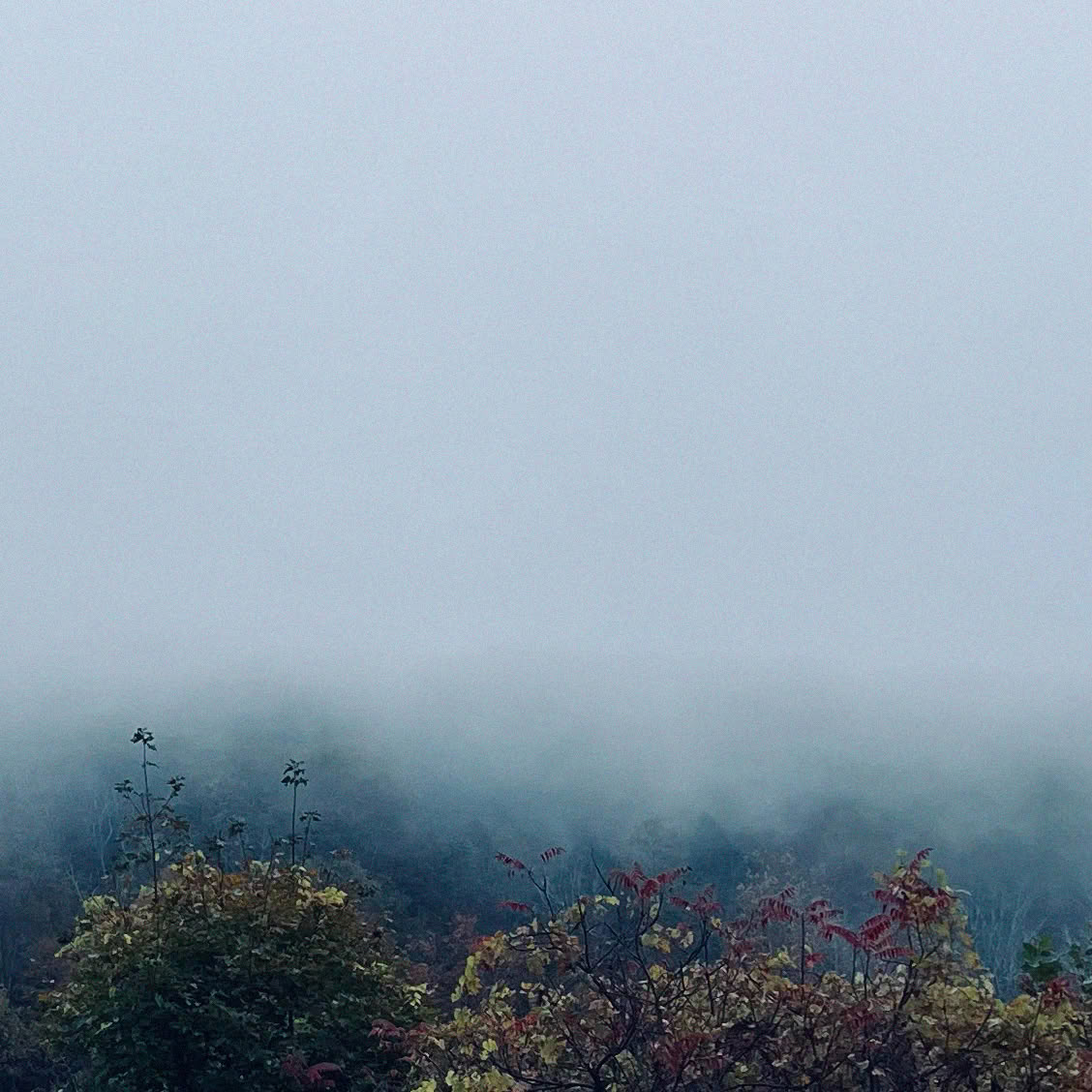
Watching the trees on the hill, I began to think about what it means to let go. Plants do not simply discard everything. Some nutrients are reclaimed before leaves fall; other material returns to the soil and supports life beyond the plant. The process is neither effortless nor a promise that everything will return as before. It is a series of changes that make survival and future growth possible.
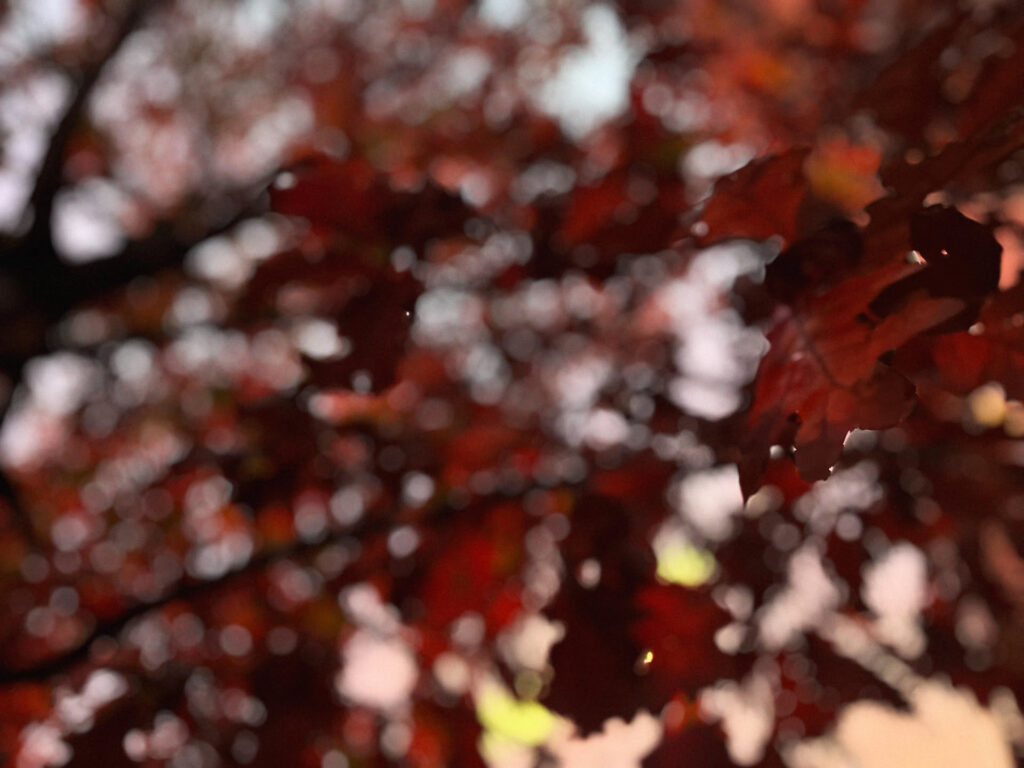
I have begun to wonder whether I, too, can learn from this seasonal choreography: to recognize what I can carry forward, what I may need to release, and when I need rest. On that cold hill, the bare trees did not look empty to me. They looked present, shaped by what they had lived through and held in readiness for what might come.
i garden the winter
in my soul:
how useless to wait
for spring
without seed
to sprout at
a warmth breath
on my soil.
Willow Gatewood is an environmental scientist, interdisciplinary artist, and storyteller from Brooklyn, NY. Follow her on Instagram: @willowg_music
Resources
Li, J., & Su, S. (2024). Abscission in plants: From mechanism to applications. Advanced Biotechnology, 2(3), 27. https://doi.org/10.1007/s44307-024-00033-9
Maillard, A., et. al. (2015). Leaf mineral nutrient remobilization during leaf senescence and modulation by nutrient deficiency. Frontiers in Plant Science, 6. https://doi.org/10.3389/fpls.2015.00317
Nilsson, O. (2022). Winter dormancy in trees. Current Biology, 32(12), R630–R634. https://doi.org/10.1016/j.cub.2022.04.011

Plantings
Issue 66 – December 2026
Also in this issue:
The Living World Inside the Frame
Gayil Nalls
Plants as Life’s Painkillers
Gayil Nalls

Plants are Important: The Part About Drugs
Lewis H. Ziska
Humans Are Killing Helpful Insects in Hundreds of Ways––Simple Steps Can Reduce the Harm
Christopher Halsch and Eliza Grames

Why are there so many plants?
Kale Sniderman, Chris Mays, and Greg Jordan

Eat More Plants Recipes:
Black Bean Brookies
Skye Gatewood

As Ireland transitions from the rich, smoky scent of peat-burning to a more sustainable future, its olfactory heritage is evolving. What will become the next iconic aromatic symbol of Ireland?
Click to watch the documentary trailer.
As Ireland transitions from the rich, smoky scent of peat-burning to a more sustainable future, its olfactory heritage is evolving. What will become the next iconic aromatic symbol of Ireland?