

The Green Bloom: Chlorophyll, Light, and Renewal
By WS/C
Sign up for our monthly newsletter!
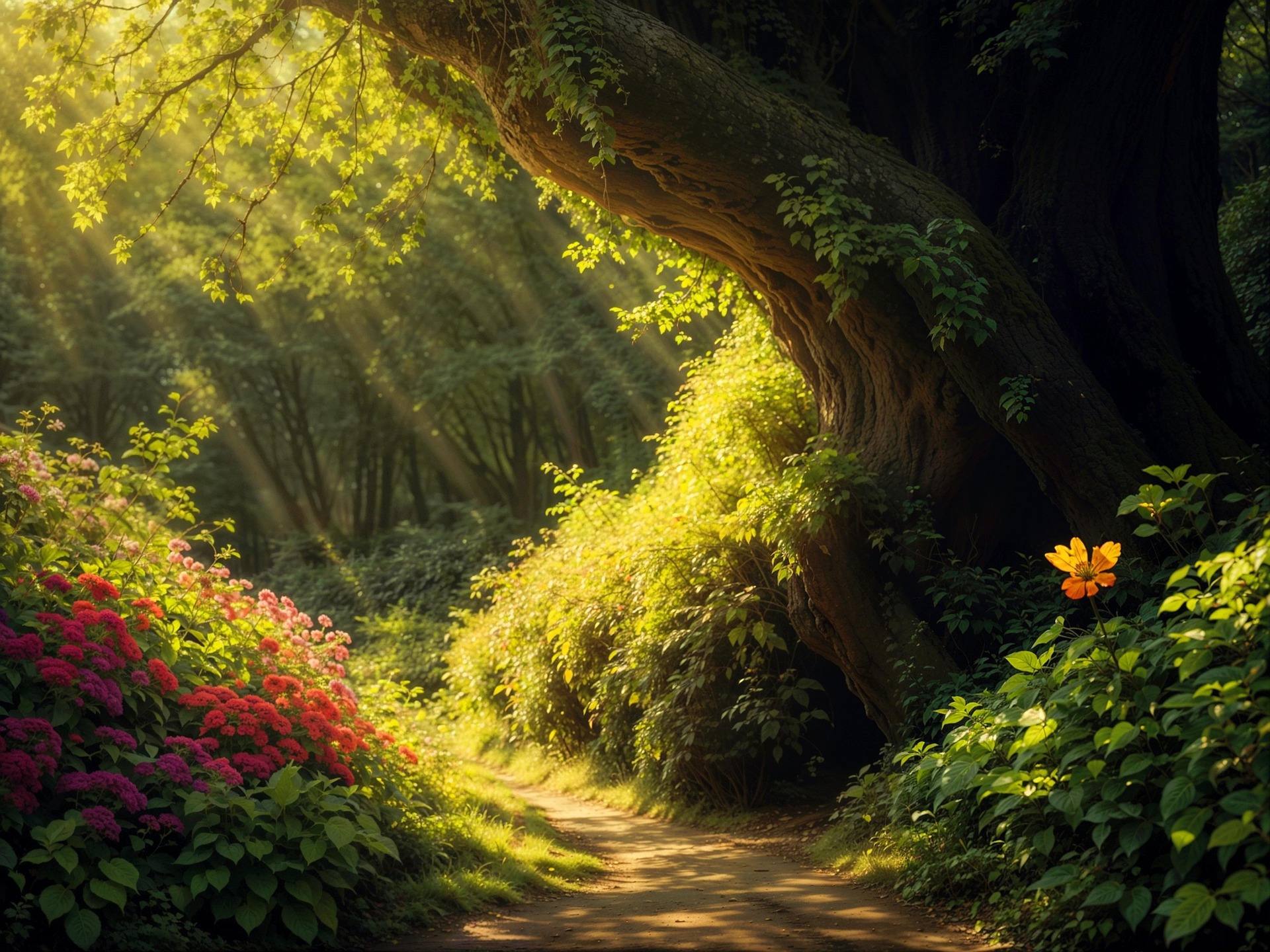
There is a moment in May on half the planet when the world seems to cross an invisible threshold. What was tentative in April, buds held tight, color withheld, suddenly releases. Hillsides flush, trees deepen, fields take on a density of green that feels less like surface and more like atmosphere. The landscape changes and activates. Light no longer falls on the world in the same way. It is taken up, transformed, and quietly re-emitted as life.
This is the season of what might be called the green bloom.
At its core lies chlorophyll, the molecule that makes this transformation possible. Nested within chloroplasts, those minute, light-harvesting structures inside plant cells, chlorophyll absorbs photons, particularly in the red and blue wavelengths, and reflects the green we perceive. But reflection is only a small part of the story. The absorbed light drives a cascade of reactions that split water, release oxygen, and generate the chemical energy that allows plants to fix carbon dioxide into sugars. In this sense, green is not a color but a process, the visible trace of sunlight becoming matter.
By May, this process is no longer tentative. Leaves have expanded to full surface, their thin tissues stretched to capture as much light as possible. Chlorophyll concentrations peak, and the machinery of photosynthesis runs at a heightened pace. Entire landscapes enter into a state of metabolic acceleration, drawing carbon from the air, building tissues, and fueling growth. What appears as calm abundance is, in truth, an immense biochemical surge.
Yet we do not encounter this transformation only through sight. The greening world announces itself through scent, often before we consciously register the color. The smell of fresh leaves—sometimes described as green, sharp, or slightly sweet arises from a suite of volatile organic compounds released as cells divide and expand. Among them are the so-called “green leaf volatiles,” molecules such as hexenal and hexenol, which are emitted when plant tissues are bruised or actively growing. These compounds serve ecological purposes: signaling to other plants, attracting or deterring insects, and participating in a complex atmospheric chemistry. But for us, they register as the unmistakable aroma of renewal.
There is also the smell of soil awakening beneath this canopy and the mineral sweetness of geosmin rising as microbial communities resume activity in a warming earth. Together, these scents create what might be understood as the olfactory signature of May: a layered composition of leaf, light, and living ground. It is an atmosphere we breathe into ourselves, not merely observe.
This sensory immersion has measurable effects on human well-being. Studies in environmental psychology and neuroscience have shown that exposure to green environments reduces stress, lowers blood pressure, and improves cognitive function. The Japanese practice of shinrin-yoku, or forest bathing, is perhaps the most well-known articulation of this phenomenon, but the underlying mechanisms are broadly shared. Visual exposure to green appears to calm the nervous system, while plant-emitted compounds called phytoncides, have been shown to influence immune function. Even brief encounters with verdant spaces can restore attention and elevate mood.
But beyond these measurable effects lies something more difficult to quantify: a shift in orientation. Green is the color of participation. To stand within a fully leafed landscape is to be enveloped in a system that is actively producing the conditions for life, oxygen, food, habitat, and continuity. It is to be reminded, at a sensory level, that we are not separate from these processes, but sustained by them.
Culturally, this moment has long been marked as a time of renewal, fertility, and threshold. May Day celebrations, the crowning of May Queens, the weaving of garlands, gestures that recognize the world’s return to generative fullness. Plants have historically been central to these rituals, not only as symbols but as active participants with their scents, their textures, their fleeting blooms embodying the very qualities being honored. To gather greenery is to gather evidence of the world’s ongoing capacity to begin again.
And yet, in the present moment, this greening carries a quieter tension. Climate change is altering the timing and intensity of spring. Leaves may emerge earlier, grow faster, and senesce under new pressures of heat and drought. The synchrony between plants and pollinators can falter. What feels like abundance may, in some cases, be a sign of imbalance. To attend closely to the green bloom, then, is also to ask how long and how steadily it can unfold.
Still, each May, the transformation returns. Light meets leaf. Air is drawn inward, remade, released. The world turns green again, an event that unfolds across scales, from the molecular to the planetary, and within our own bodies as we breathe it in.
To notice this is to shift from seeing green as background to recognizing it as action. The hillside is not simply colored; it is working. The forest is not merely present; it is metabolizing light into life. And we, standing within it, are momentarily aligned with that process. Our senses are tuned to a system that has been renewing itself, season after season, long before we learned to name it.
In this way, May offers beauty and instruction. It asks us to consider what it means to receive light and transform it, to participate in cycles larger than ourselves, to recognize renewal not as an abstraction but as a material, ongoing act.
The green bloom gathers quietly, leaf by leaf, until it is everywhere at once. And then, for a time, the world is held within it.
Plantings
Issue 59 – May 2026
Also in this issue:
Environmental Generational Amnesia and the Smell of Maybugs
By Clara Muller
Edward Steichen: Delphiniums on Umpawaug Farm
By Gayil Nalls
Elizabeth Blackwell: The Courage of Attention
By John Steele

The Importance of Embodied Joy
By Gayil Nalls
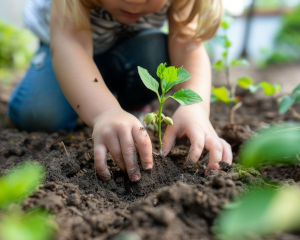
Seeds, Time, and the Human Psyche
By Margherita Gandolfi
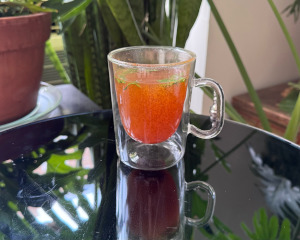
Eat More Plants Recipes:
Spring Dandelion & Burdock Broth
By Gayil Nalls
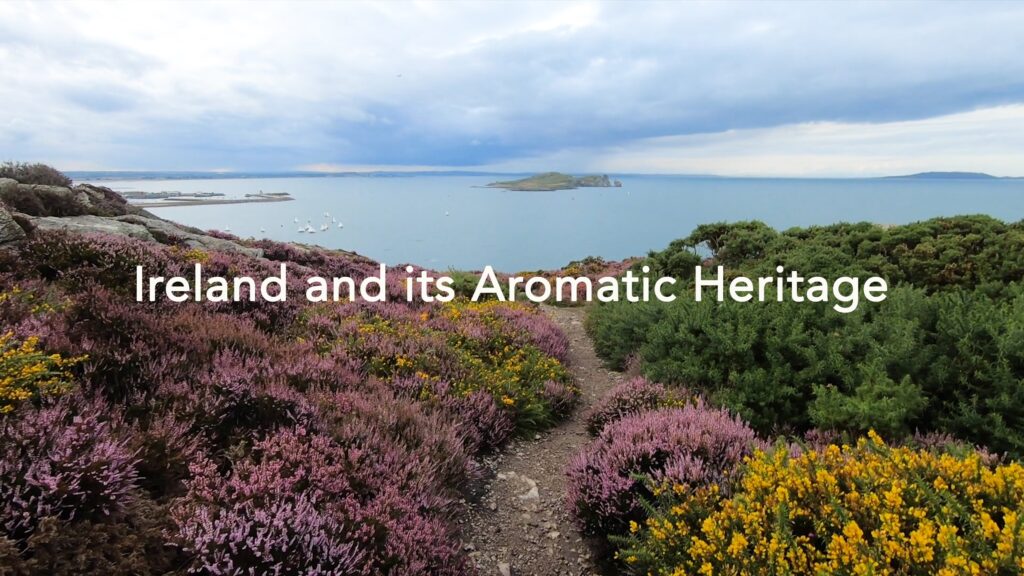
As Ireland transitions from the rich, smoky scent of peat-burning to a more sustainable future, its olfactory heritage is evolving. What will become the next iconic aromatic symbol of Ireland?
Click to watch the documentary trailer.
As Ireland transitions from the rich, smoky scent of peat-burning to a more sustainable future, its olfactory heritage is evolving. What will become the next iconic aromatic symbol of Ireland?